The Reserve Bank of Australia has increased interest rates to 4.85%, the highest level since 2008, in an effort to bring inflation under control.
What happened
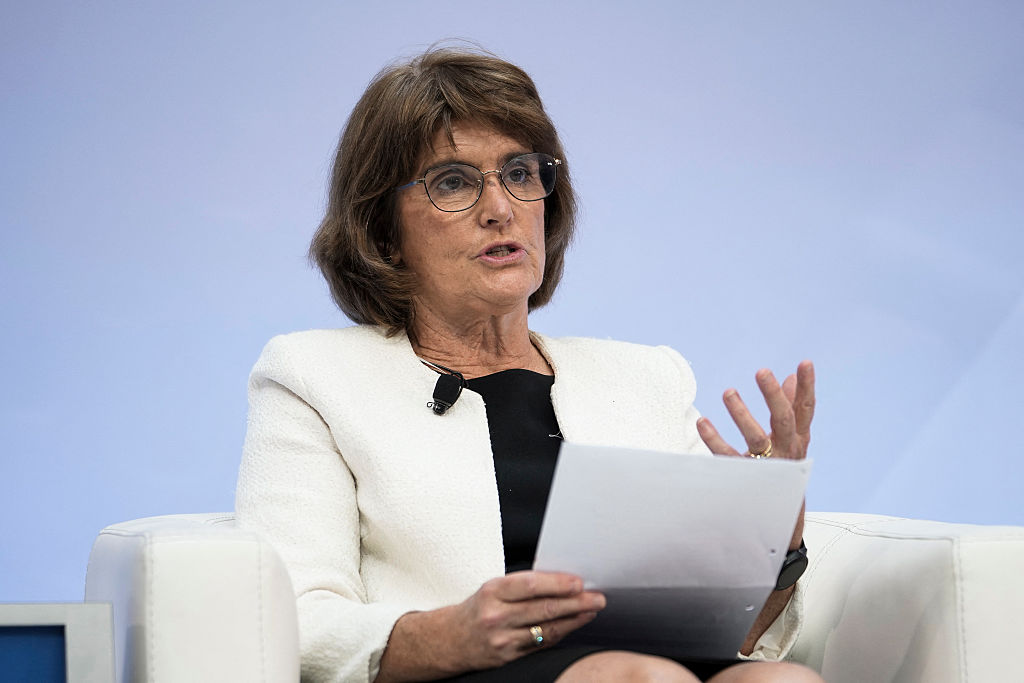
According to Governor Michele Bullock, the decision to raise interest rates was based on five main factors: high inflation, excess demand, weak productivity, strong investment, and higher fuel costs. The bank's forecasts indicate that inflation will remain high for longer, with prices rising 4.3% in the year to September, above the target of 2 to 3%.
Bullock explained that interest rates cannot change global oil prices, but the rises are aimed at addressing excess demand and limiting the flow-on effect of higher fuel costs. She also warned that high inflation could become accepted, which could exacerbate the problem.
The bank now expects inflation to remain above 3% over the next year and return to the top of its target range only in late 2027. While Bullock ruled out a recession in the bank's current forecasts, she acknowledged that households could still feel the effects of a difficult economic environment.