What happened
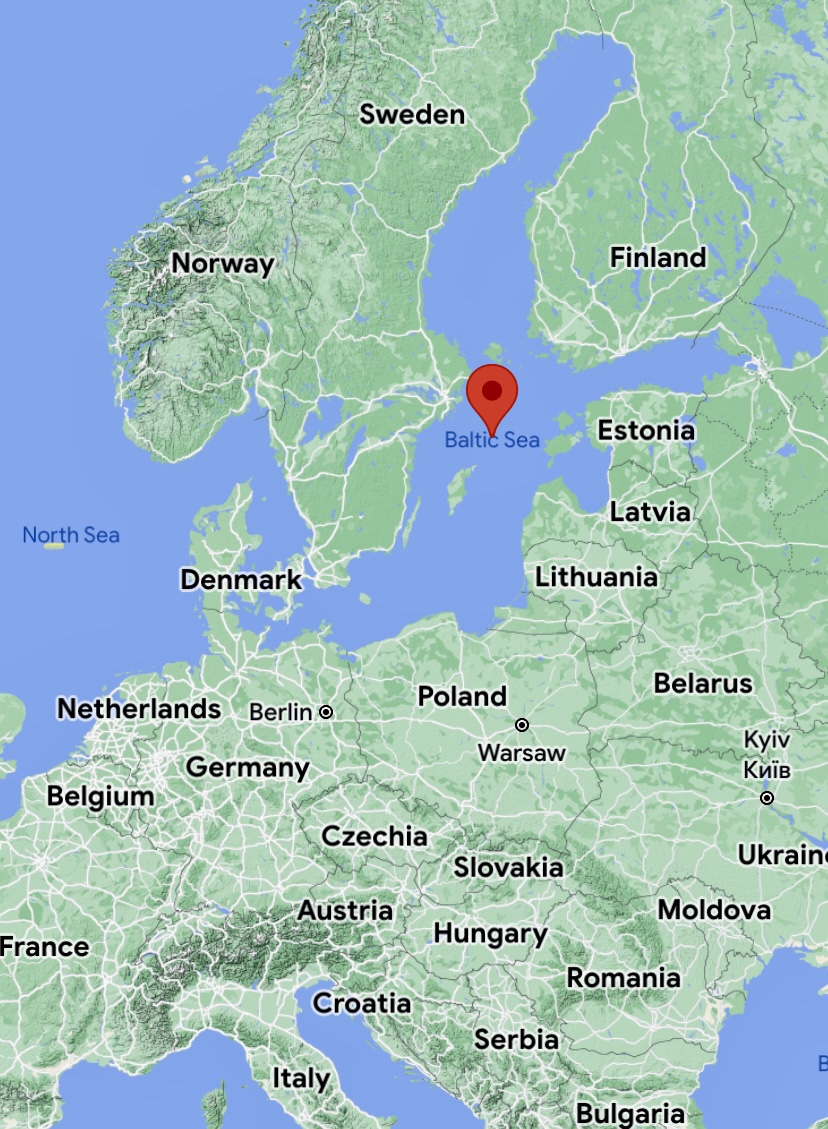
Electricity prices have surged across the Baltic states in recent weeks as expensive power imports from Central Europe combine with generating capacity outages in Estonia, Latvia and Lithuania. On Tuesday, Estonia's average day-ahead market price reached €305 per megawatt-hour, the highest level since early February. Prices remained very high on Wednesday at €248 per megawatt-hour.
The average price for the first 11 days of November was €199.2 per megawatt-hour in Estonia. Latvia and Lithuania saw even higher averages of €304 and €295 per megawatt-hour respectively, while Finland's average was much lower at €71.
Eesti Energia management board member Tiit Hõbejõgi said Estonia's prices remain below those in Poland and Germany because oil shale power plants were brought online from reserve capacity. However, 365 megawatts of Estonian generating capacity are unavailable because the 260-megawatt Auvere plant is undergoing maintenance and one 105-megawatt boiler at Eesti Power Plant's Unit 8 is out of service.
Latvia and Lithuania have simultaneously taken their newest and most efficient gas-fired power plants offline for maintenance. Lithuania's 455-megawatt unit at Elektrėnai is offline through November 25. Latvia's 420-megawatt second unit at Riga TEC-2 is under maintenance through November 26, while TEC-1, with 73 megawatts of capacity, is offline through November 14. Together with Estonia's missing capacity, nearly 1,400 megawatts are unavailable across the region.
Weak winds and low solar output have compounded the shortfall. Baltic wind farms have produced only about 0.5 gigawatts on average, roughly 10 percent of total capacity. The share of demand met by wind and solar fell from around 40 percent in October to about 20 percent at the start of November.
Transmission constraints in Sweden and maintenance at three Swedish nuclear reactors have also pushed up import costs. Expensive German electricity reaches the Baltics through the NordBalt cable linking Sweden and Lithuania, while Poland's high-price market further affects the region through Lithuania.
The November surge is likely to end several years of steadily declining electricity prices. Average annual prices fell each year from 2022 through 2025, standing at €193, €91, €87 and €80 per megawatt-hour respectively. This year's annual average has risen to €85 per megawatt-hour, and it appears unlikely that prices over the remaining six weeks will pull it back below €80.