-1024x683.jpg)
What happened
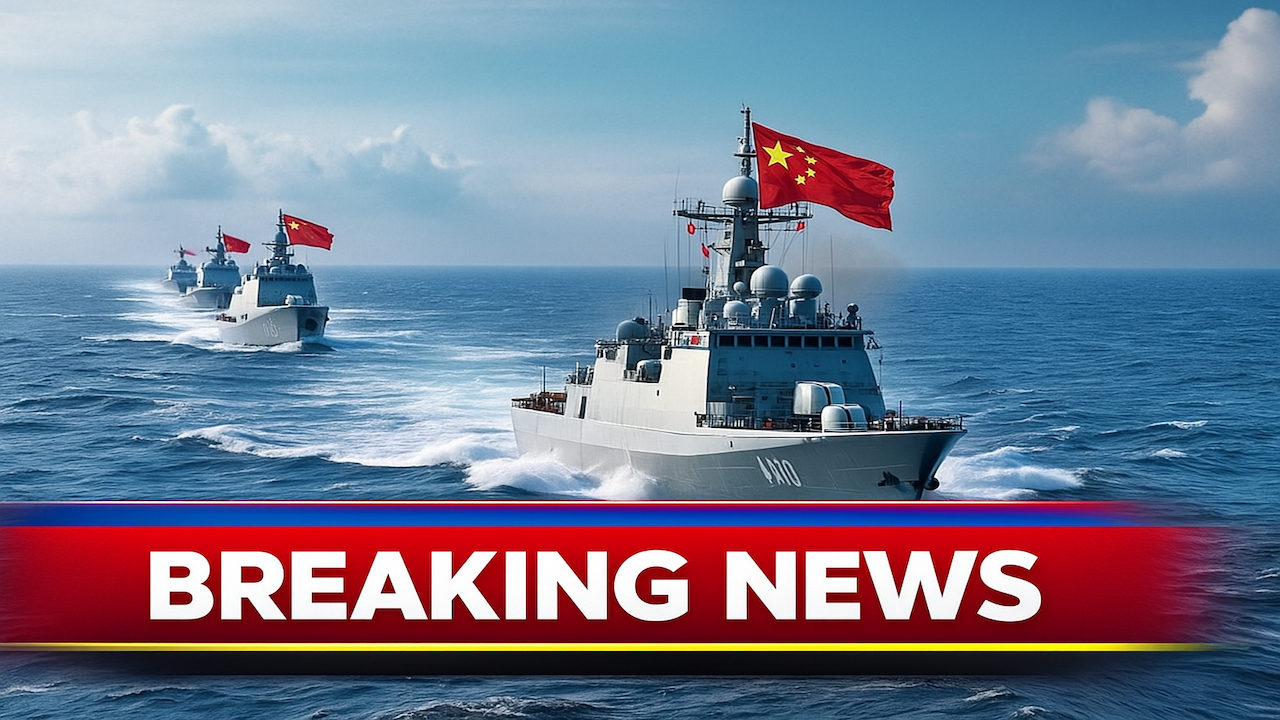
China's growing presence in the Arctic has raised security concerns for the US, with officials monitoring Chinese research vessels and trading activities in the region. Rear Admiral Bob Little, Commander of the US Coast Guard's Arctic District, stated that four Chinese research vessels have conducted work offshore in the US Arctic in 2026, compared to a total of five in 2025.
A recent agreement between the US, Denmark, and Greenland allows for a significantly increased American military presence on the island and prohibits non-NATO countries, including China, from establishing manned or unmanned military installations in Greenland. This move highlights the strategic importance of Greenland and the Arctic region.
Chinese excursions into the Arctic are not new, with the Coast Guard warning of "increased Chinese research vessel activity" in the US Arctic in August 2025. General Alexus Grynkewich, Supreme Allied Commander Europe, has stated that China's presence in the Arctic is not for peaceful reasons, but rather for bathymetric surveys and to counter NATO capabilities.
China is also expanding its Arctic role beyond research vessels by using the Northern Sea Route to establish a trading presence. The Chinese cargo ship Dubai Tower recently completed a three-week journey from Qingdao to Teesport in England, promoting the first regular cargo service to use the Northern Sea Route.
The US faces challenges in the Arctic, with only three operational polar icebreakers and one heavy icebreaker, compared to Russia's 50 polar icebreakers and China's five. The US has several icebreakers under construction, but progress is slow, with the last US icebreaker not expected to be commissioned until 2035.