What happened
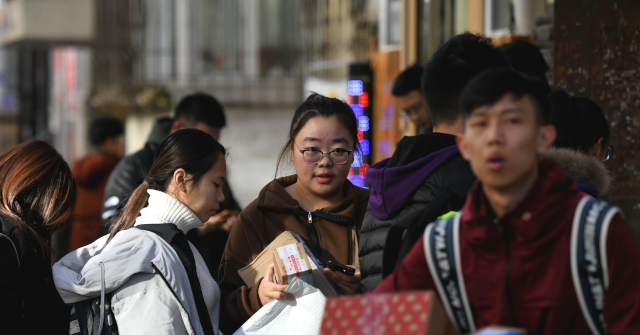
China’s annual Singles Day online shopping event posted sluggish sales in 2026, with consumer optimism lagging behind reported economic growth. The event, which rivals Black Friday in the United States, traditionally serves as a major barometer of domestic consumer spending.
Chinese shoppers remained concerned about the depressed real estate market and chose saving over spending on the country’s biggest retail day. Citigroup forecast only a weak 2 percent increase in Singles Day volume for the year.
Luxury and big-ticket items sold poorly, while shoppers favored necessary goods at holiday discounts. Some American brands, including Coach and Ralph Lauren, performed relatively well and enjoyed strong third quarters in China.
Retailers deployed artificial intelligence agents to encourage additional purchases. AI tools promoted services such as housecleaning, moving, travel packages, and medical consultations. JD.com reported that purchases of time with its AI medical assistant rose by more than 500 percent, while Alibaba reported a 700 percent increase in purchases of AI tokens.
One AI productivity platform sold 100,000 subscriptions in half an hour earlier this month. State-run media noted that this was the first year AI tokens were offered as discounted Singles Day items, with buyers including students, households, and small businesses.