What happened
Citizens are challenging school mental-health contracts, seeking transparency and accountability in the use of public funds. In several states, including Florida, Connecticut, and Tennessee, parents and advocates are pushing for access to information about mental-health programs and services provided in schools.
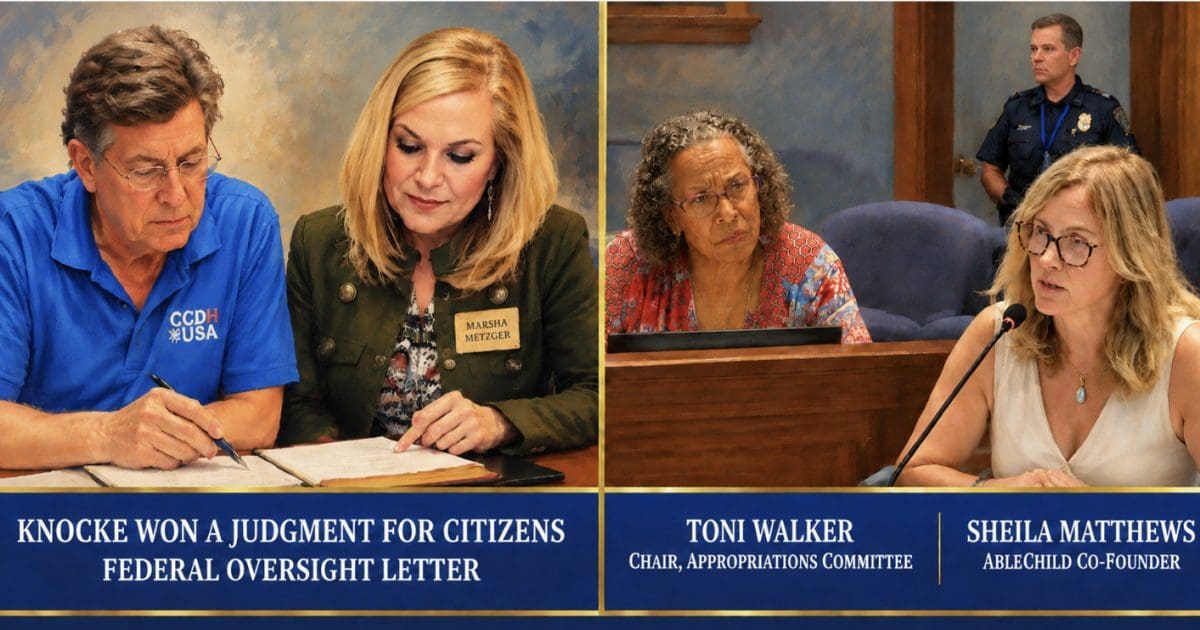
A recent letter sent to FBI Director Kash Patel by citizen advocates Jack Knocke and Marsha Metzger requested federal scrutiny of school-based mental-health and social-emotional-learning platforms. The letter raised questions about what students are shown, what information is collected, and whether parents can inspect the programs and records.
In one case, Knocke won a court order requiring access to records related to the Ripple Effects curriculum in Nassau County, Florida. However, despite the court order, the district and nonprofit canceled their contract during litigation, and Knocke received no access to the records.
AbleChild, a nonprofit organization, has been advocating for transparency and accountability in school-based mental-health programs. The organization has raised concerns about the lack of informed consent from parents and the potential risks of sensitive surveys and counseling-adjacent programs.
The organization is calling for an opt-in standard, where parents must explicitly consent to their children's participation in mental-health programs. AbleChild believes this would restore parents' authority and limit the expansion of school mental-health clinics and the pipeline into the behavioral-health industry.