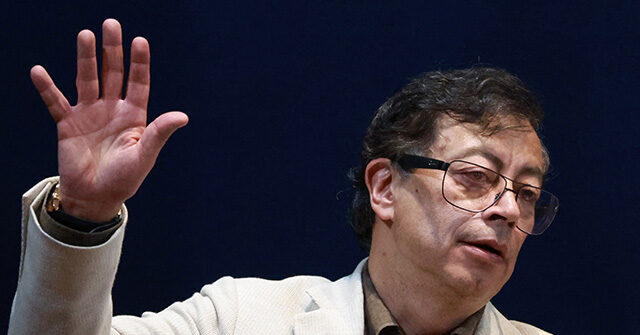
Former Colombian President Gustavo Petro has threatened a general strike if the government does not raise the minimum wage for 2027.
What happened
Petro, a Marxist former president, announced his participation in an upcoming leftist protest in the capital city of Bogotá on October 14, where he expects to see a large turnout of working people. He called for a general strike to demand a living wage and a plan to combat hunger.
The current government, led by conservative President Abelardo de la Espriella, has ruled out a significant minimum wage increase for 2027, citing concerns over inflation and the nation's fiscal deficit. The de la Espriella administration has stated that any wage increase will depend on factors such as inflation and available resources.
Petro's threat of a general strike comes after he signed off on a 23-percent increase in the minimum wage during his term in office, which was widely criticized for its potential impact on the economy. The new government has been critical of the consequences of the wage raise, which contributed to Colombia's fiscal deficit and inflation problems.
In addition to the protests announced by Petro, the Cauca Regional Indigenous Council (CRIC) has also planned protests to demand additional resources for indigenous communities. President de la Espriella has stated that his government is open to reviewing existing funding agreements but will not negotiate under pressure or permit violent protests.