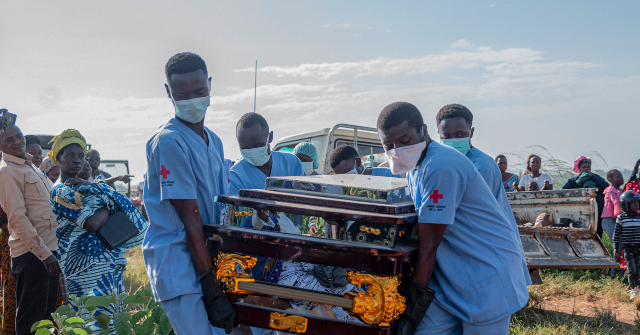
The Ebola outbreak in the Democratic Republic of the Congo has reached a new milestone, with the total number of confirmed cases exceeding 9,000. According to the health ministry, there have been 9,066 confirmed cases and 4,381 fatalities.
What happened
The outbreak has spread to more health zones across the country, and health officials are concerned that the number of unreported cases could be significantly higher. The current outbreak has become the worst in the DRC's history, surpassing the 2014-2016 West African regional epidemic, which claimed over 11,000 lives.
Local and international health officials have cited several factors contributing to the ongoing spread of Ebola, including political unrest, shortages of doctors and supplies, and resistance to treatment by Congolese civilians. Additionally, women and children are avoiding healthcare due to fears of contracting Ebola or being deliberately infected by doctors.
This has led to a significant increase in maternal death rates, particularly in the Ebola outbreak province of Ituri, where deaths during childbirth rose by 70 percent from May to July. Health officials are also concerned about the spread of other diseases, such as measles, due to plummeting vaccination rates during the Ebola emergency.
Some parents are foregoing vaccinations and medical treatment for their children, opting instead for ineffective traditional medicine. Others are self-medicating with over-the-counter fever treatments, which can conceal Ebola infections from routine body-temperature screenings.