What happened
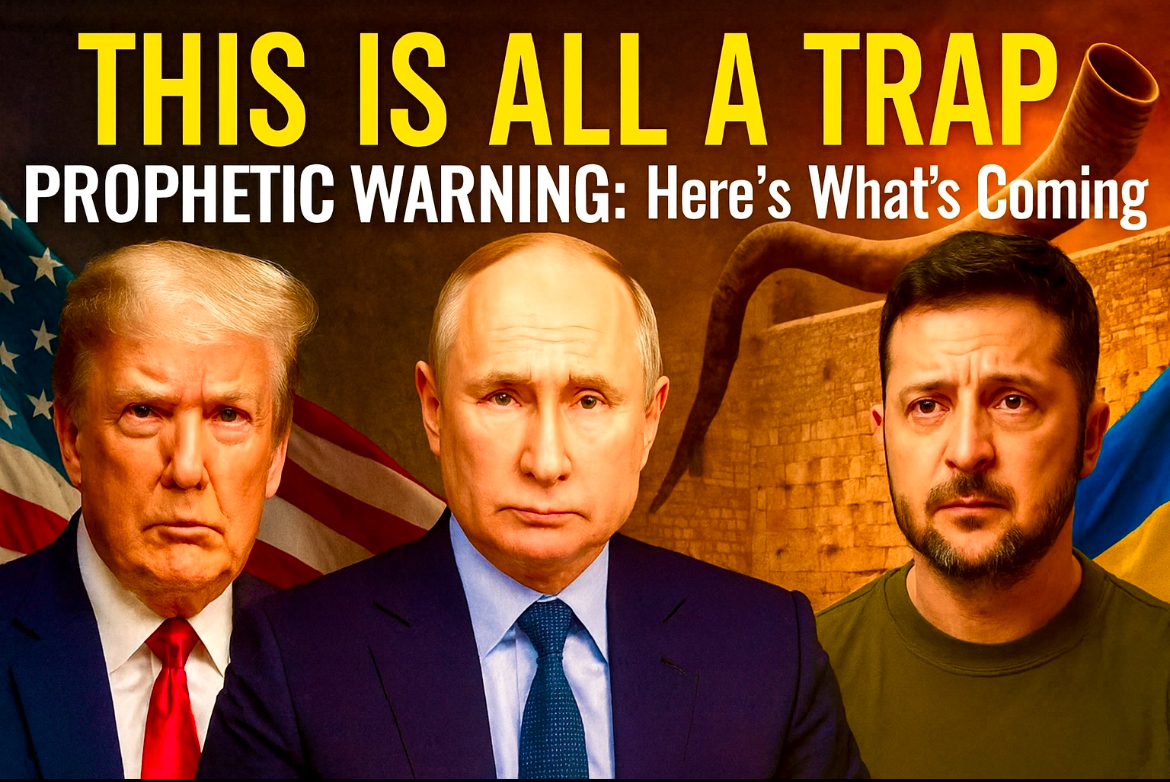
U.S.-brokered talks involving Ukraine, Russia, and the United States began in Abu Dhabi on Tuesday and are scheduled to continue Wednesday, according to Estonian MP Marko Mihkelson, who spoke with ERR. Representatives from the United States, Ukraine, and Europe held consultations before the main session, and the three parties sat down together for four hours on the first day.
Mihkelson said calling the meeting peace talks is a clear exaggeration. In his view, the gathering is a Russian diplomatic special operation intended to impose Moscow's terms on Ukraine and, effectively, the Western world.
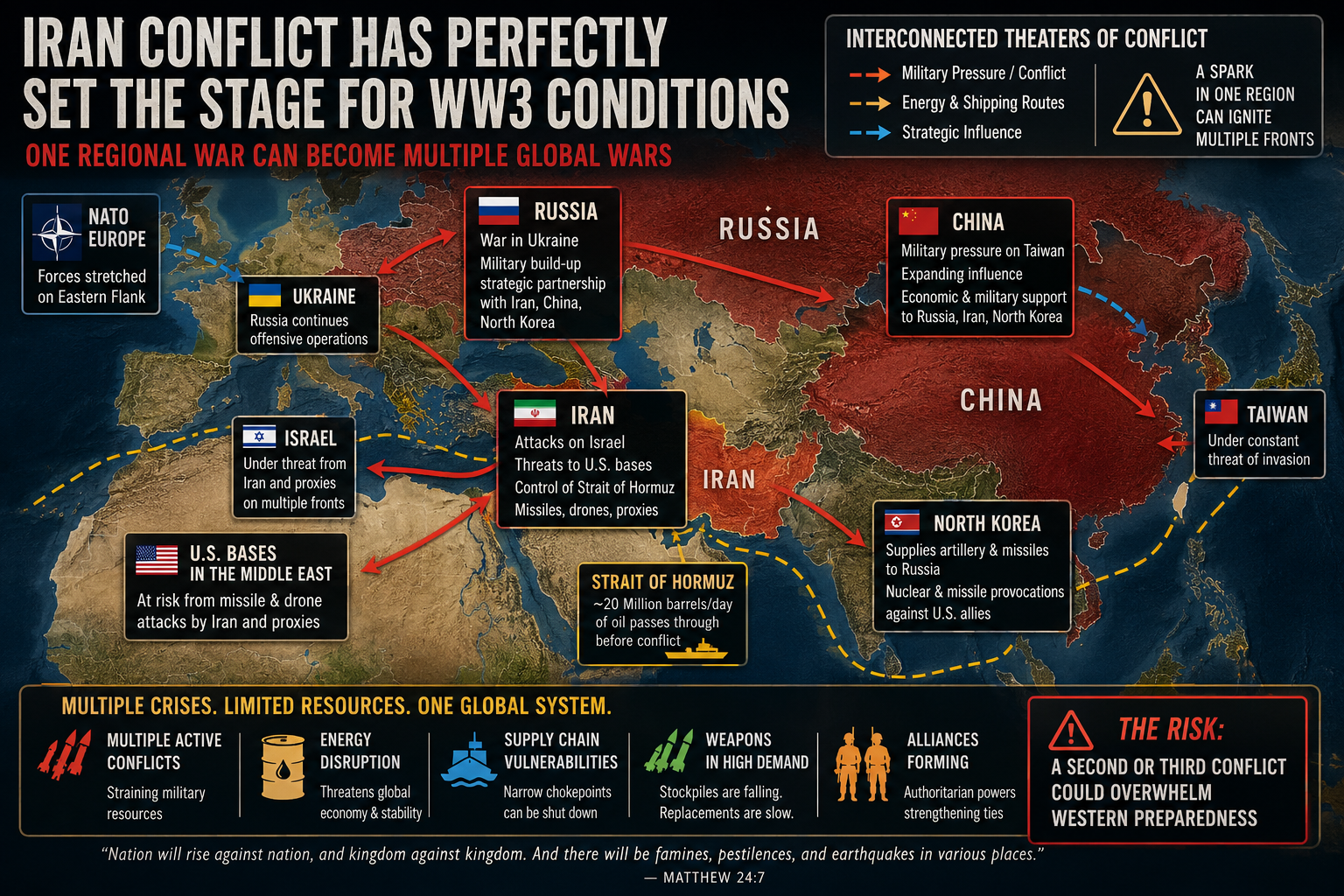
He said Russia's Foreign Minister Sergey Lavrov stated plainly that Russia has no interest in a ceasefire because it does not want to give Europe time to regroup. Mihkelson added that Russia's demands and what Ukraine is prepared to accept remain incompatible, with Russia essentially demanding Ukraine's surrender and a complete overhaul of Europe's security architecture.
Ukraine has made clear that giving up territory is unacceptable, Mihkelson said, and its red line is that the talks must not undermine its sovereignty or territorial integrity. Ukrainian officials have indicated they could freeze hostilities along the current front line but cannot recognize Crimea, Luhansk, or other occupied territories as part of Russia.
Mihkelson noted that European representatives were present in Abu Dhabi in a limited capacity, describing Europe as both there and not there. He said their presence might slow the pace and temper American hopes for a quick shortcut to peace.
He also said the most practical result from previous rounds has been prisoner exchanges, and he expressed hope that the Abu Dhabi meeting could produce similar outcomes. Ukrainian colleagues have said the only positive aspect so far is gaining insight into the arguments Russia is putting forward.