What happened
Second Lieutenant Jasper Vimm, a 28-year-old Estonian Air Force pilot, told the weekly Maaleht that Estonian pilots keep their aircraft at least one kilometer away from Russia's border and never fly east of Lake Peipus. He said every flight follows a preplanned route and that pilots avoid the border once airborne.
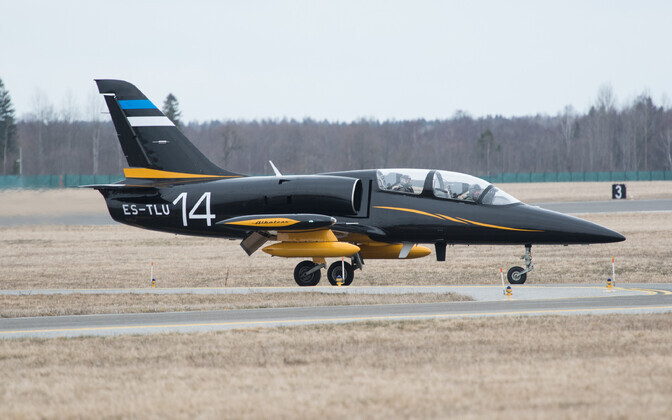
Vimm explained that GPS signals can disappear near Russia, so missions are planned around ground landmarks instead. Estonia's Air Force operates two Czech-made L-39 Albatros trainer jets, one of which is undergoing maintenance, and two Polish PZL M28 Skytruck transport aircraft used for maritime patrol and exercises. The trainers date from the 1980s and 1990s, fly at subsonic speeds of about 700 kilometers per hour, carry no weapons, and cannot climb vertically.
The Air Force currently has between 10 and 20 active pilots. The Estonian National Defence College is scheduled to graduate its first pilot class next year, after which new pilots are expected to join annually.
Vimm said proposals exist for Estonia to acquire light fighters, though the type has not been determined. He added that such aircraft would perform the same roles as full fast jets, differing mainly in size and speed. Because Estonia has no fast jets of its own, NATO allies provide interception capability from Ämari air base, with Turkey's Air Force currently fulfilling that role using F-16s.