What happened
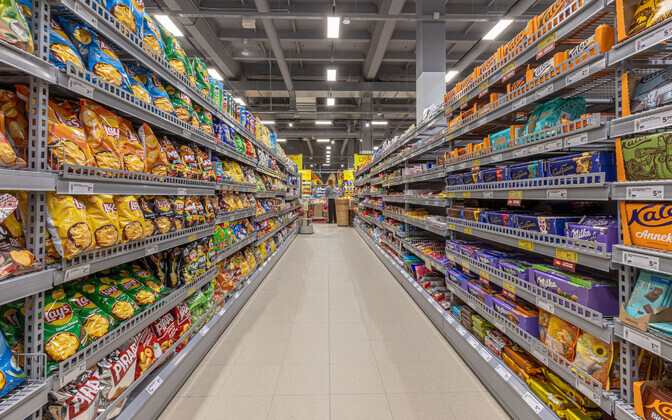
Products sold under the same supermarket chains in Estonia and Western Europe are not always identical. The differences are driven by various factors, including regulations, customer tastes, and purchasing power. Two major supermarket chains, Salling Group and Coop, have acknowledged these differences in their products sold in Estonia and other countries.
Salling Group, which recently acquired Estonia's Rimi supermarkets, claims that its Estonian and Danish products are the same. However, Coop, which acquired Prisma supermarket outlets, admits that there are differences in quality and ingredients between Estonia and the Nordics. According to Coop, stricter conditions in Nordic countries affect the ingredients used in certain product groups.
Customer preferences and purchasing power also play a significant role in determining the differences between products sold in different countries. For instance, meat products in Estonia tend to have higher fat content than those in Germany, which is driven by consumer habits and the desire for cheaper products. Similarly, salt and sugar content can be adjusted to extend the shelf life of products and offer them at a lower price.
The demand for healthier and organic food products in Estonia grew until 2022 but declined with the onset of high inflation. However, with the market stabilizing, there is an expectation that the demand for healthy products will increase again.