What happened
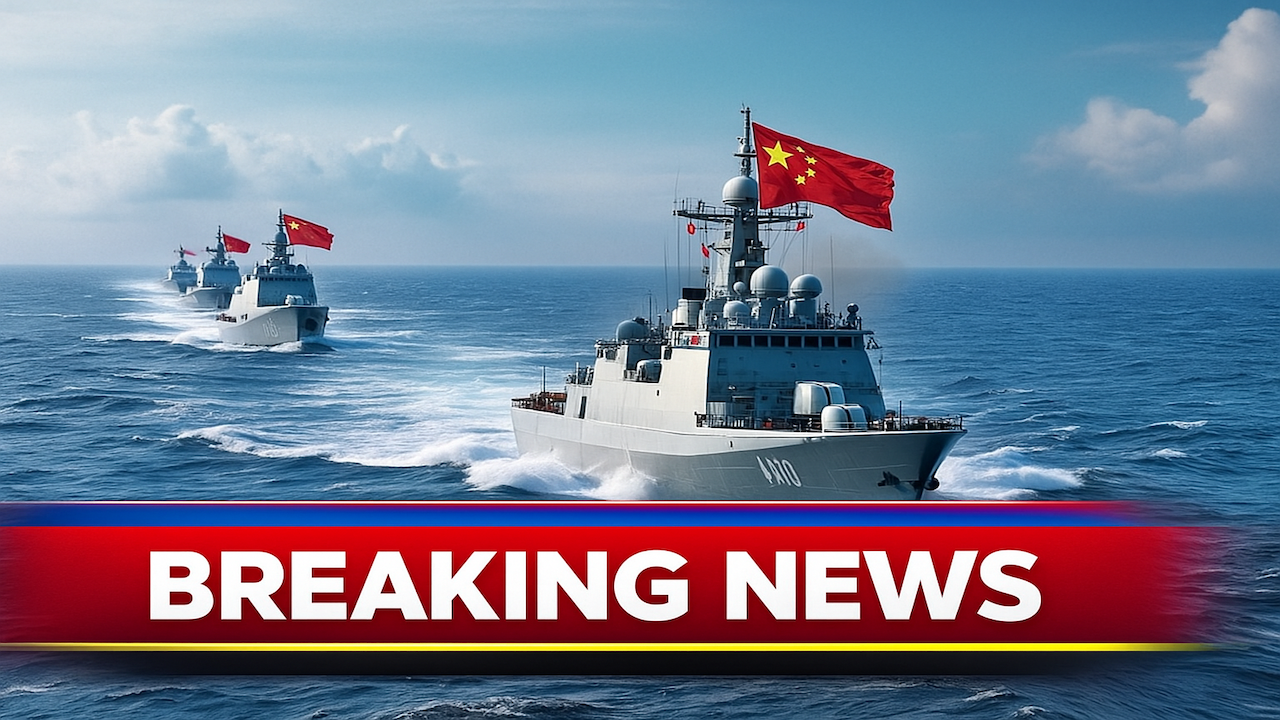
A hard-fought trade deal between Europe and China has been reached, with the European Union agreeing to a broad, tentative deal that would cut Chinese hybrid car exports in half.
Despite this, Europe's industry remains closely tied to China, particularly in the automotive sector and critical mineral mining. China controls the supply chain for batteries and critical minerals, making it difficult for Europe to maintain a similar level of production.
According to European Commission President Ursula von der Leyen, Europe is more than 80% dependent on China for many critical raw materials and 90% for some rare earths. This dependency has led to concerns about the impact of Chinese exports on European industries, with some experts warning that it could render European countries reliant on China.
The deal has been met with skepticism by some, with energy consultant David Blackmon stating that it is not a magic bullet to protect European carmakers from Chinese intrusion. Others, such as Felipe Munoz of Car Industry Analysis, believe that the deal will not stop China's expansion into the European market.
China's exports of hybrids to the EU have tripled in the first half of 2026, reaching $7.5 billion, and the country's state-owned automotive manufacturer, BAIC, owns a significant stake in Mercedes. The deal does not appear to deter Beijing, with Chinese automotive company Changan planning to manufacture its first cars in Europe in early 2027.