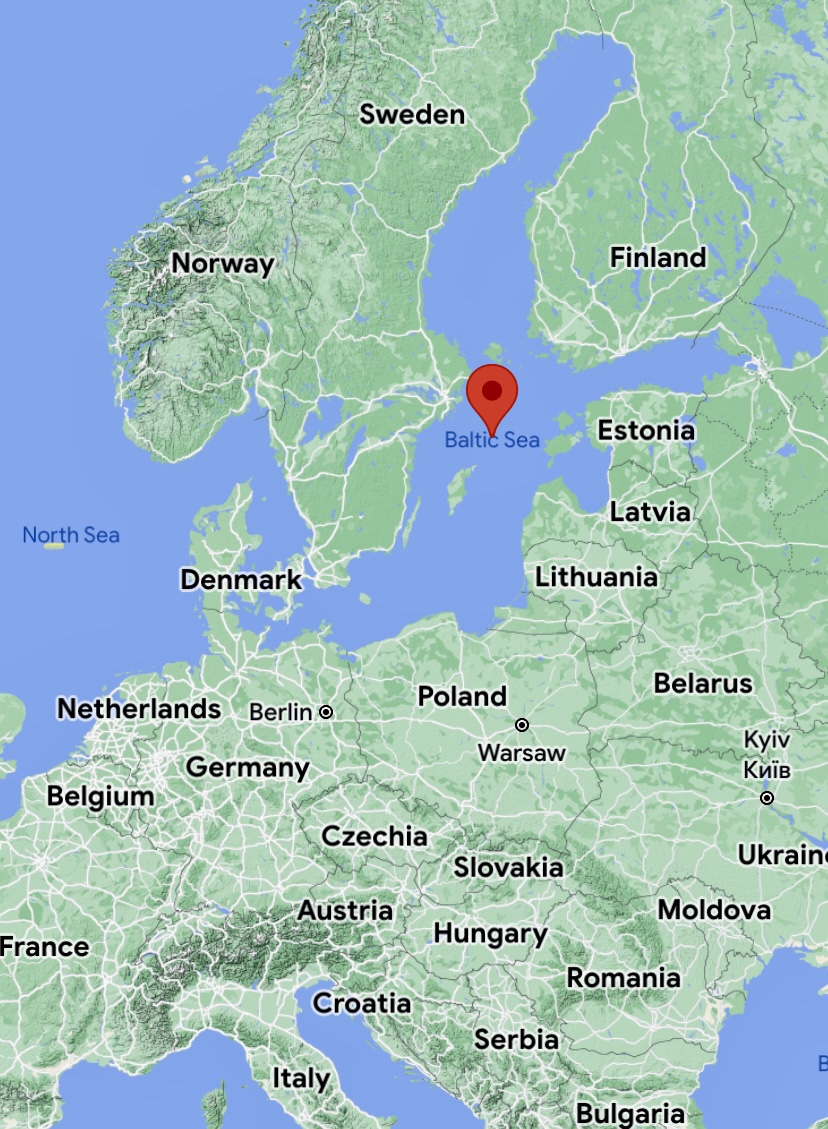
Cyberattacks on grocery store refrigeration systems in Europe have caused significant financial losses and raised concerns about the vulnerability of everyday smart devices. The attacks have targeted stores across Europe, sending temperatures soaring and spoiling food. In one incident, hundreds of French stores were targeted, with temperatures in some units reaching 122° Fahrenheit, destroying a huge amount of food.
What happened
The cyberattacks have renewed concerns about the vulnerability of critical infrastructure and the growing risks of internet-connected consumer "smart" technology. Experts warn that similar vulnerabilities could exist in homes, with devices such as smart fridges, TVs, cameras, and locks potentially creating entry points for hackers. France's national emergency blood supply network was also compromised by hackers, although alert and backup systems prevented cold storage facilities from being shut down.
Experts say that the concern is not just about essential systems, but also about everyday appliances that are now connected to the internet. Dr. Manny Niri, a cybersecurity lecturer, notes that "our homes may be more vulnerable than many people think" due to default or reused passwords, old software, or accounts with weak security. Professor George Loukas warns that vulnerabilities in mass-produced devices could potentially expose millions of households simultaneously.
The consequences of a hack could extend beyond simply switching an appliance on or off remotely, to "anything the device is already allowed to do." This could include unauthorized access to cameras or microphones, revealing personal or financial information, or physical consequences such as changing a fridge temperature or interfering with an alarm system. Experts recommend taking precautions such as changing default passwords, enabling two-factor authentication, and regularly updating software to mitigate these risks.