What happened
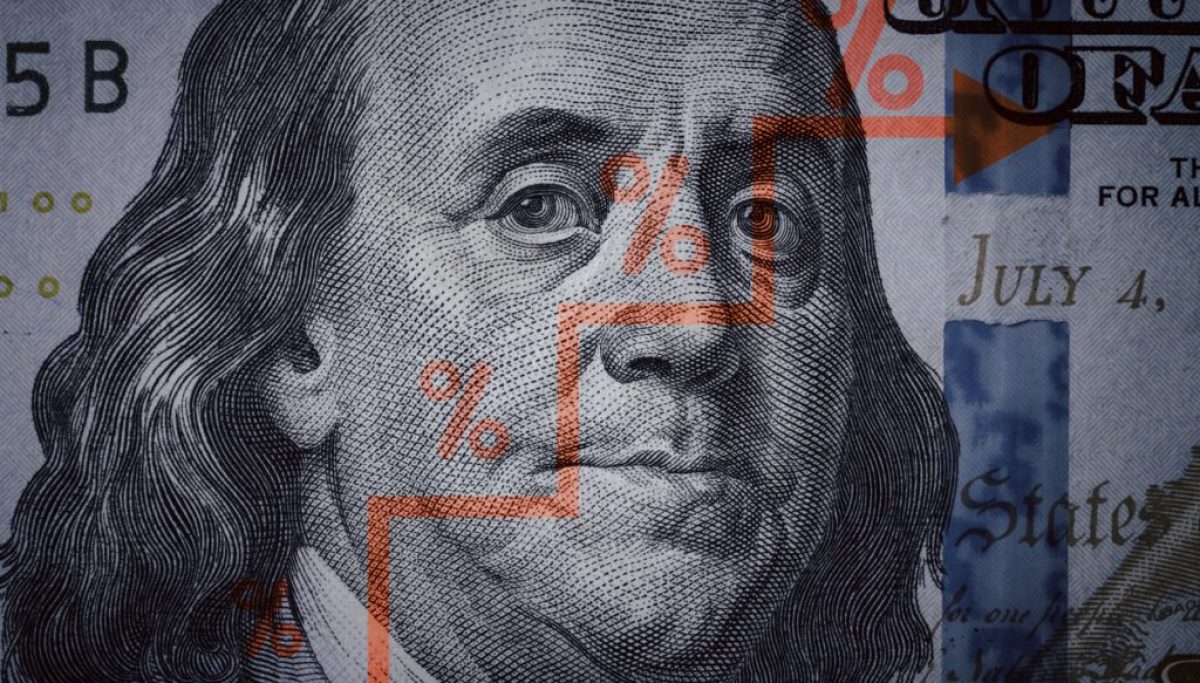
The Federal Reserve's interest rate hikes are having a negative impact on working families and small businesses, making it harder for them to afford mortgage payments, car financing, and business investments.
The latest inflation numbers show that consumer prices rose 3.4% over the past year, with energy prices increasing 16.3% and gasoline prices rising 27.4%. These numbers suggest that energy-driven inflation is a significant factor, rather than excess demand.
As a result, the Fed's decision to raise interest rates again has been questioned, with some arguing that it will only squeeze working families and small businesses further, without addressing the underlying causes of inflation.
The Fed's actions have already led to a decline in existing home sales and an increase in mortgage rates, making it harder for families to buy homes. Small businesses are also facing higher borrowing costs, which could impact their ability to invest and hire new employees.
The author argues that the Fed should focus on fighting the type of inflation that is actually present, rather than relying solely on interest rate hikes. If energy and supply pressures are driving inflation, then higher rates may not be effective in bringing prices down.