What happened
Tens of thousands of students and protesters have taken to the streets in France, demanding education reform and clashing with police. The protests have resulted in the closure of over half of the country's high schools, with 256,000 people participating nationwide, according to the Interior Ministry.
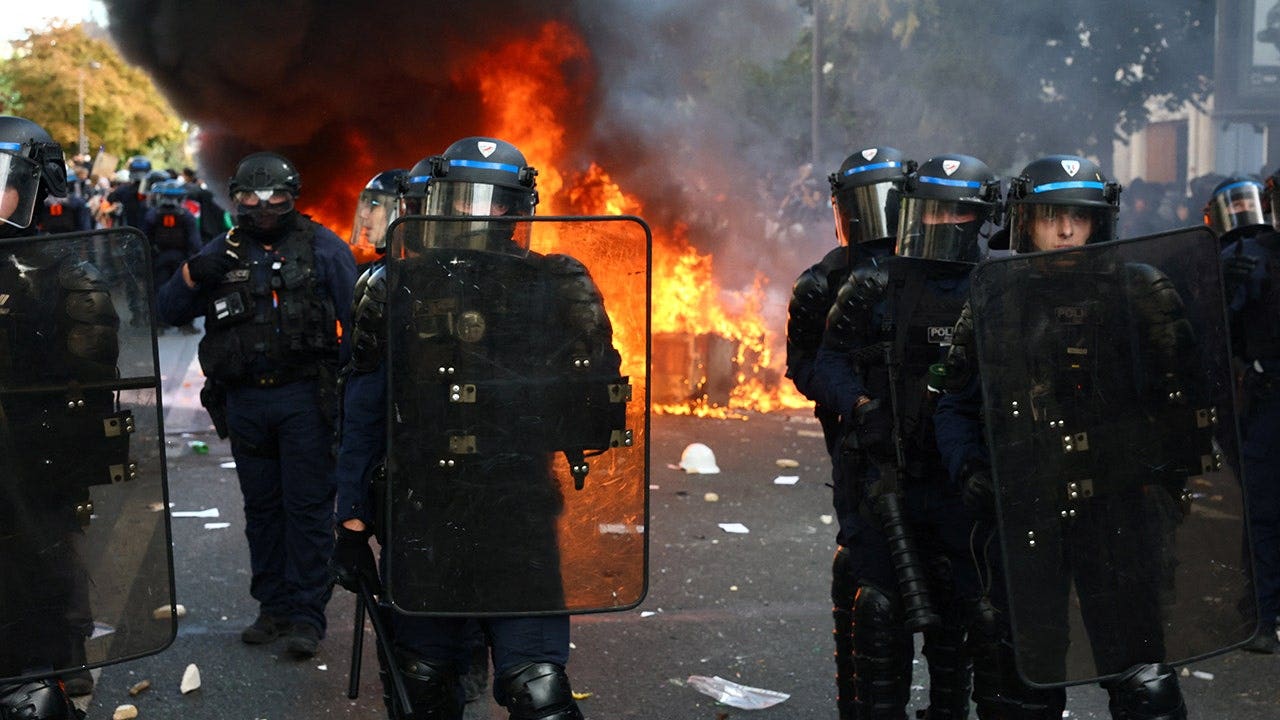
Violent scenes have emerged, with protesters dodging tear gas, lighting fires, and facing off with police. At least 715 police officers and 215 teenagers have been injured in the clashes, and 6,100 people have been taken into custody since the protests began in September.
The protests have drawn attention to issues such as rundown classrooms, staff shortages, and exhausting workloads. Students are demanding more money for the national educational system to renovate high schools and improve conditions.
The French government has responded to the protests, with Prime Minister Sebastien Lecornu asking ministers to address student demands, including repairs to aging buildings and a review of the school day. Interior Minister Laurent Nunez has defended policing methods used against high schoolers, saying the police response has been proportionate in almost all cases.
The protests have become a hot topic in the election campaign to replace President Emmanuel Macron next May, with far-left presidential hopeful Jean-Luc Mélenchon decried the government response to the protests as repressive. Critics have accused his party of seeking to use the unrest to score points in the presidential campaign and of inciting violence.