What happened
France is holding talks with German officials to understand how Berlin would use deep-precision long-range strikes in the event of a conflict with Russia, according to six officials cited by the Financial Times. The discussions reflect French concerns that conventional attacks on Russian targets could provoke a nuclear response from Moscow.
One source warned that if Moscow misreads the signal, Europe could reach the nuclear threshold without realizing it. France has raised questions about how and when German long-range weapons would be used and what kind of retaliation might follow.
Germany is developing ground-launched missiles with a range of up to 2,000 kilometers, capable of striking targets deep inside Russia. Berlin has led European re-armament efforts and plans a defense budget of €780 billion through 2030.
French officials are also concerned that Russia could hold France responsible for any German attacks because of President Emmanuel Macron's policy of forward deterrence. Macron has described this as strengthening nuclear deterrence across the European continent while maintaining a strictly defensive doctrine.
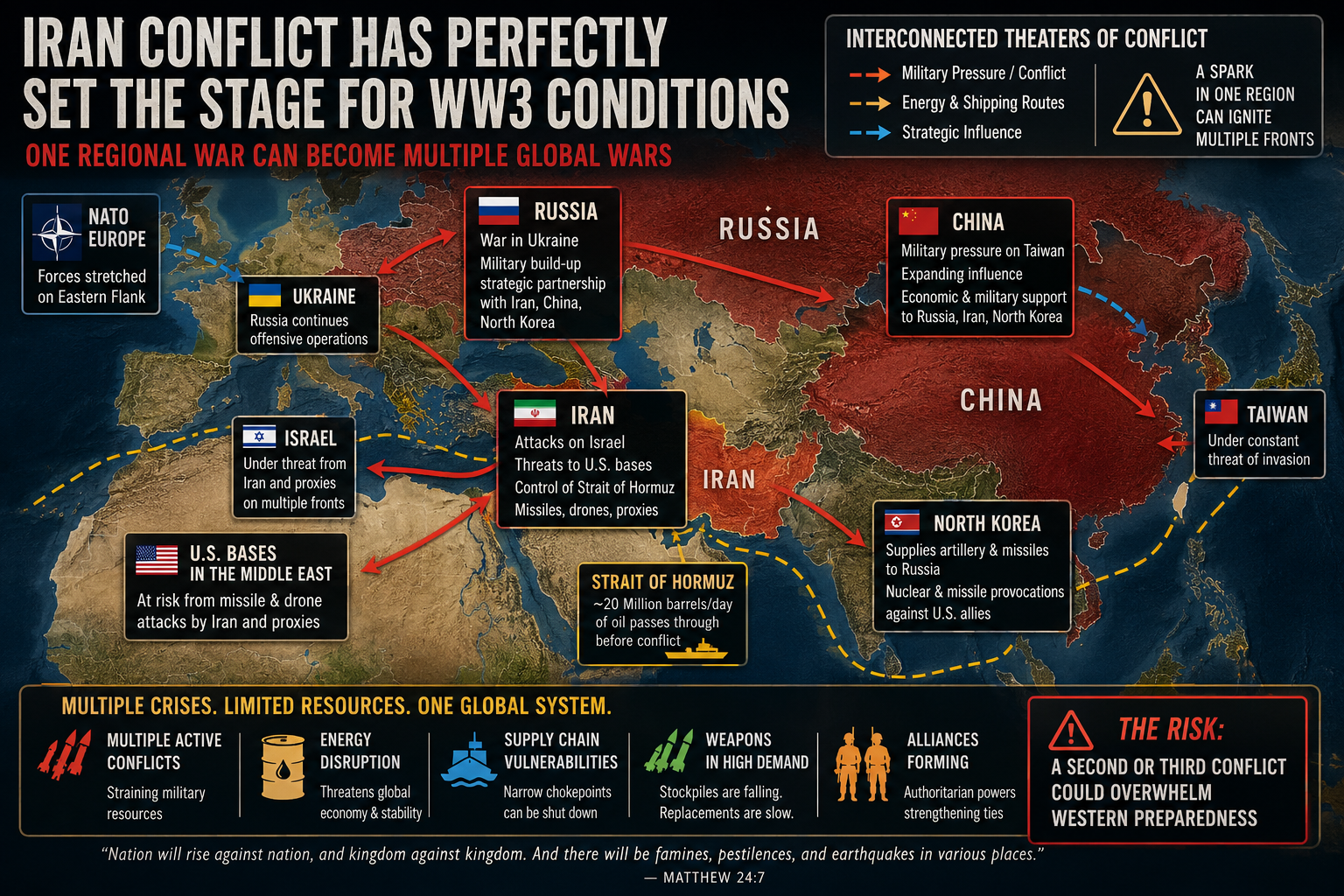
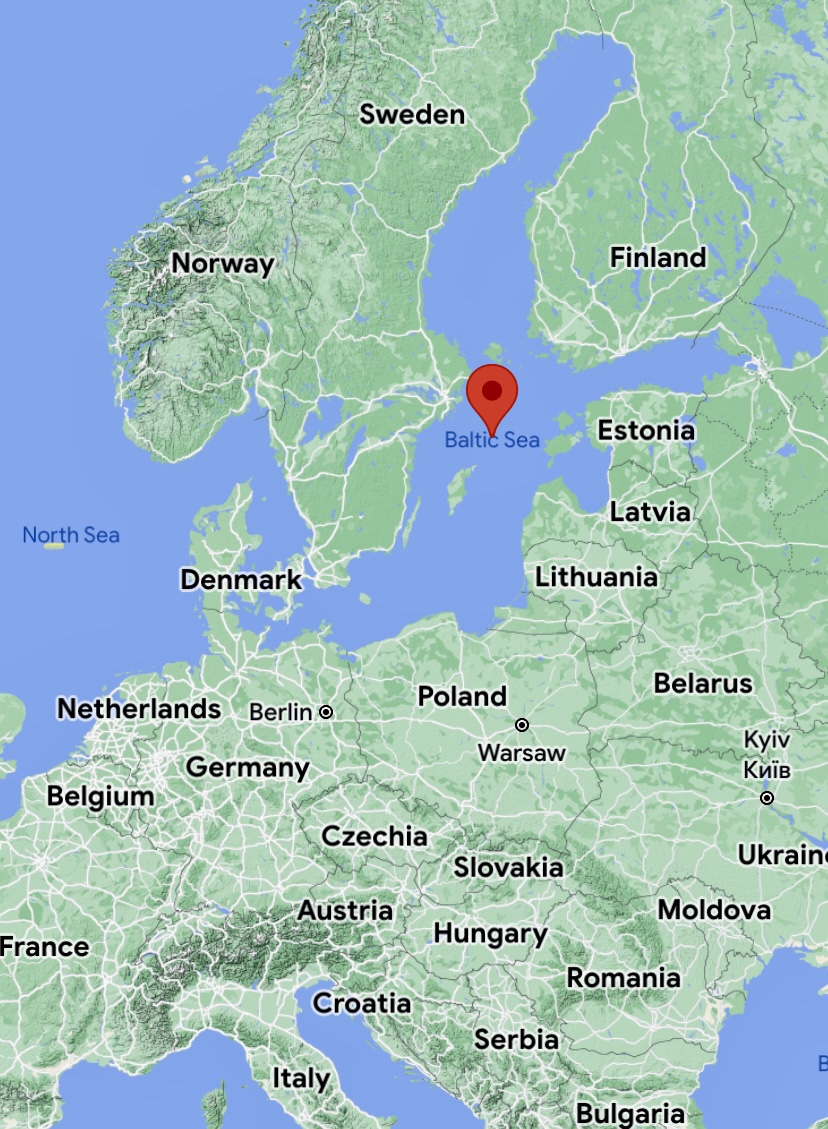
A senior German source said Berlin agrees that European allies need a joint doctrine and shared understanding of the escalation ladder. Britain is also holding talks with Germany over a joint war plan and is developing long-range weapons with similar range. NATO allies, including France, Germany, the UK, Poland, and Nordic and Baltic states, are bolstering long-range capabilities as the Ukraine war approaches its fifth year.
A British official said NATO is conscious of avoiding a nuclear response from Russia. German General Ingo Gerhartz recently warned that allies must consult before carrying out deep-precision strikes, since Russia could blame the entire alliance for one country's actions.