Fuel prices remain high despite recovering shipments, as diesel shortages persist and countries replenish oil inventories. The US Strategic Petroleum Reserve has fallen to a low level since 1982, holding 283.8 million barrels, which is significantly lower than its typical range of 500 million to 600 million barrels.
What happened
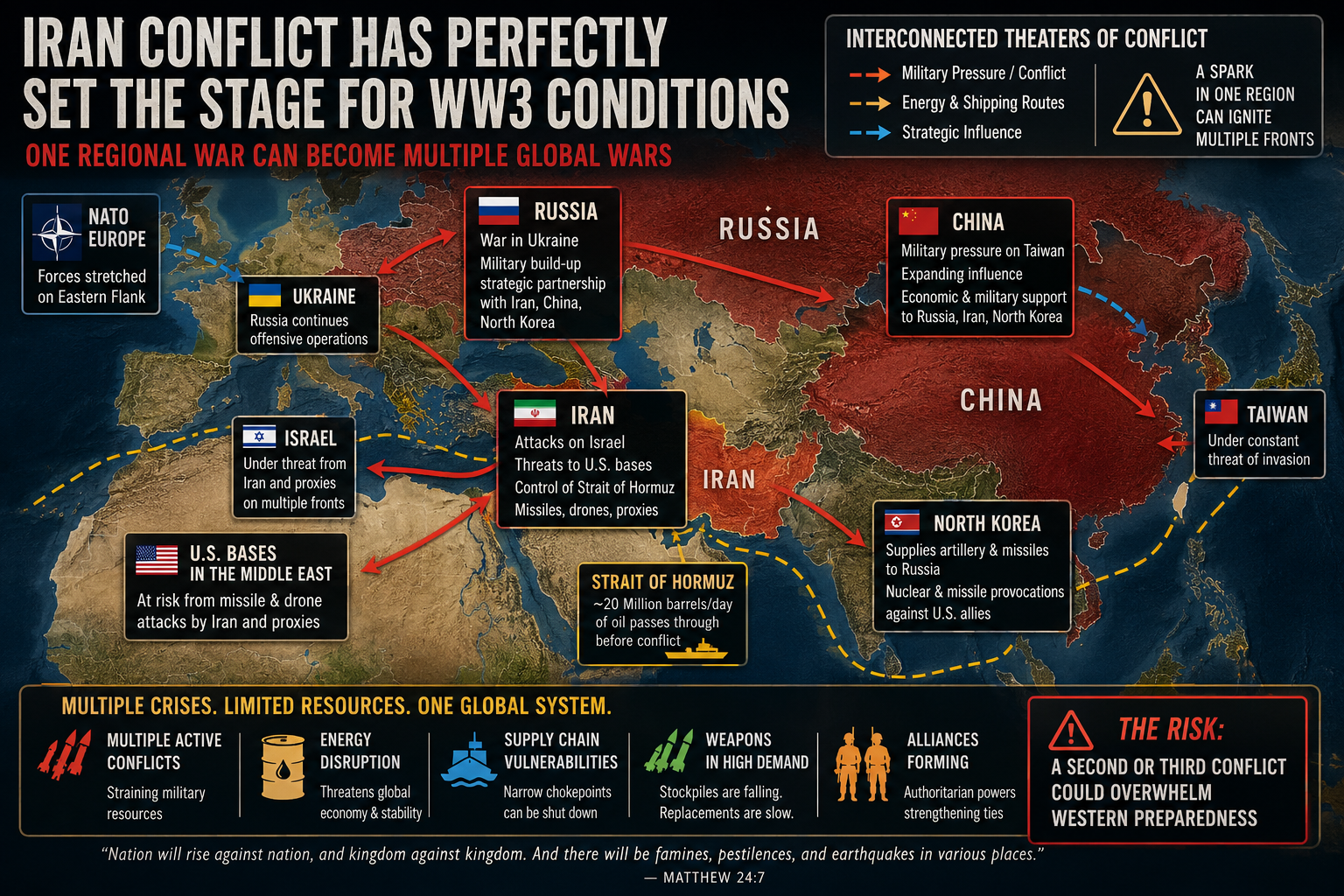
The Strait of Hormuz has remained open, with shipments nearing prewar levels, but fuel prices have not followed suit. The administration is drawing down the US Strategic Petroleum Reserve, which has fallen to a low level since 1982. Saudi Aramco CEO Amin Nasser has described the world's supply cushion as "scarily thin", and it is expected to get thinner.
Group of Seven leaders have agreed to release 100 million barrels of oil and diesel from emergency reserves over four months, but analysts say this will not fix the underlying problem. The release may temporarily reduce diesel prices, but it will not increase refinery capacity to produce more. The ships carrying crude are mostly back, but those carrying diesel are not, with refined products like diesel making up only 11% of cargoes, down from over 20% before the war.
Countries that can take on additional production are keeping their diesel at home, with major Asian refiners in China, Japan, and South Korea holding on to what they make instead of exporting it. The average prices of a gallon of gas and diesel have fallen more than 10 cents in the last week, but are not near prewar prices. The administration has argued that prices will normalize once the war in Iran ends.