What happened
Severe winter weather has worsened conditions across the Gaza Strip, where displacement camps have become flooded lakes and mudslides have killed five civilians. Sewage has overflowed into tent areas, and cases of illness and cold-related injuries are rising.
A Gaza aid worker said about 70,000 tents were damaged during the most recent rain and wind storm. Current needs include 120,000 tents, more than half a million tarpaulins, and 1.7 million mattresses. Aid warehouses inside Gaza are nearly empty, and 117,000 tents remain stuck on the Egyptian side because of coordination problems.
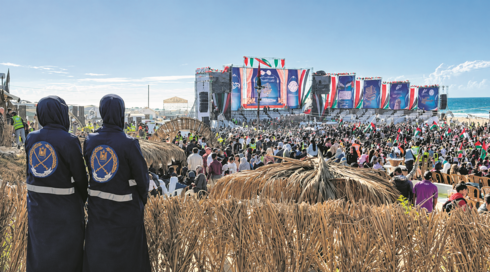
Israeli forces control more than 60 percent of the strip and maintain the so-called yellow line, carrying out near-daily strikes on Hamas targets. Hamas has suffered heavy losses but remains the dominant force in Gaza. The group is recruiting fighters, appointing replacements for killed commanders, and accumulating weapons. Its police, wearing civilian vests rather than uniforms, monitor markets, catch thieves, and recently organized mass weddings to maintain ties with the public.
Plans for a Palestinian technocrat government and an international peace council have not been implemented. The technocrat committee, based in Cairo, has received messages from local tribal leaders urging it to move to Gaza, but no concrete plan or start date exists. Hamas has mocked the committee with a campaign asking where its officials are.
International pressure on Israel is increasing. Britain is preparing a declaration signed by 50 countries calling for significant easing of humanitarian aid entry into Gaza. Israel has announced willingness to allow dual-use equipment for sanitation and sewage treatment. Dubai's ruler has pledged tents for 50,000 people.
Hamas has called for three days of global anger protests, urging demonstrations demanding an end to Israeli military activity, expanded economic boycotts, and increased humanitarian assistance. A researcher from Tel Aviv University's Dayan Center said Hamas is running a coordinated campaign with friendly Arab media outlets, using identical images of flooded refugee tents across multiple languages.