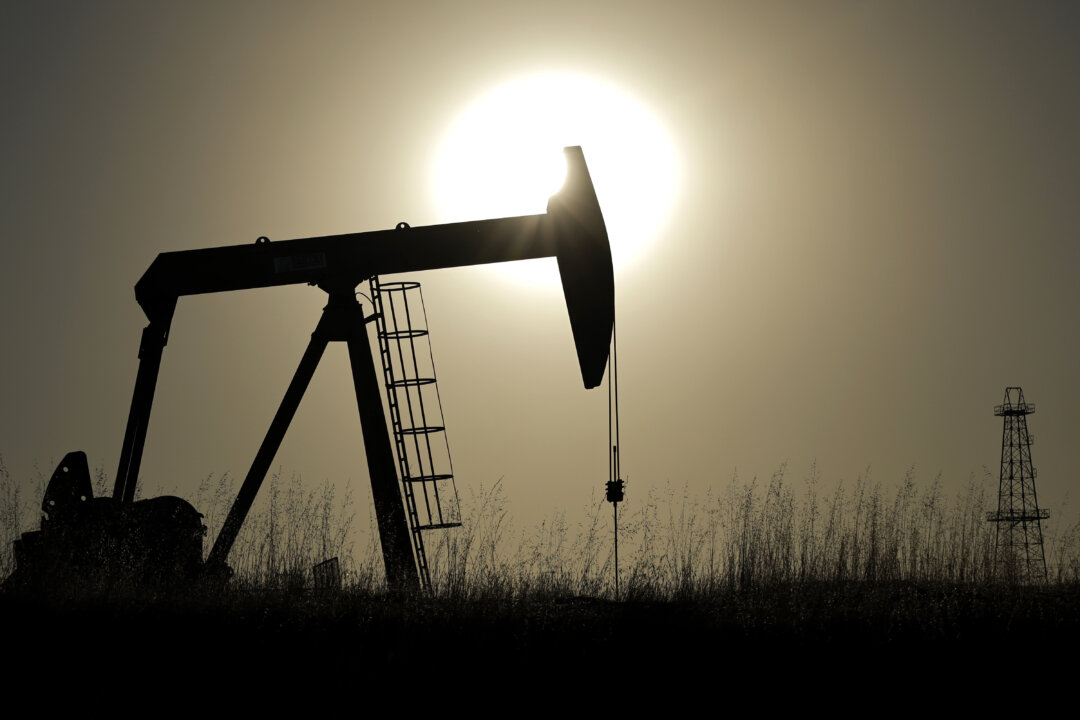
Global oil prices have surged in recent weeks, with Brent crude oil reaching a high of almost $110 per barrel.
What happened
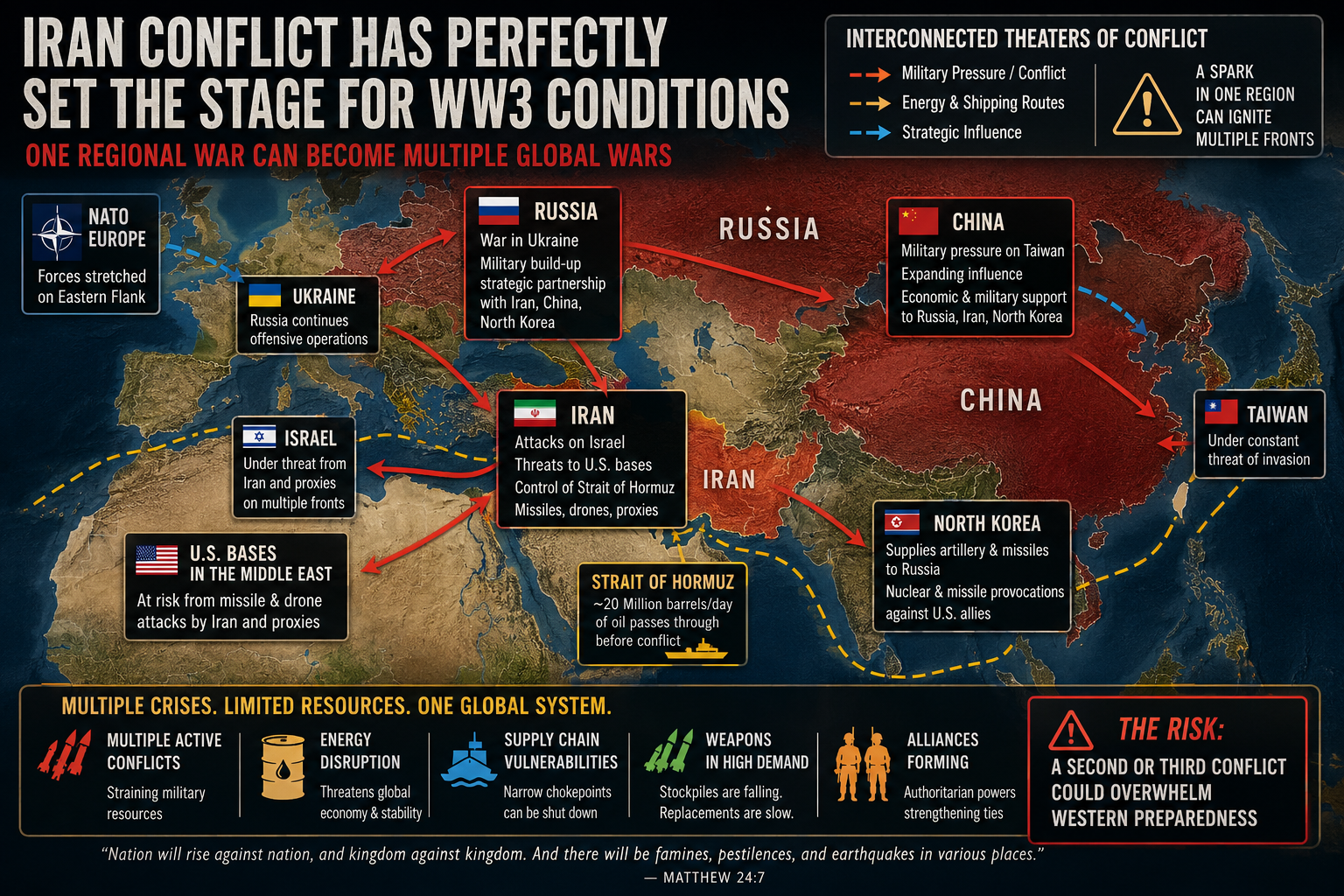
The price increase is largely driven by ongoing tensions in the Middle East and concerns about Russian supplies. The US-Iran war, which started in late February, has disrupted oil flows through the Strait of Hormuz, a critical shipping lane.
According to analysts at ING Bank, the market is pricing in a significant risk premium due to the uncertainty in the Middle East. They note that a full removal of this premium would require an agreement between the US and Iran.
The recent attack on Saudi Aramco, a state-owned oil company, and the targeting of ships in the Strait of Hormuz have further exacerbated the situation. Russia's role as the second-largest producer of crude oil and certain hydrocarbons has also contributed to economic uncertainty and heightened fuel prices.
The elevated oil prices are having a ripple effect on the global economy, with US gasoline prices reaching an average of $4.30 per gallon. The Trump administration has taken steps to ease the upward pressure on diesel and gasoline prices, including announcing a US-Russia deal to supply diesel to the international market.