What happened
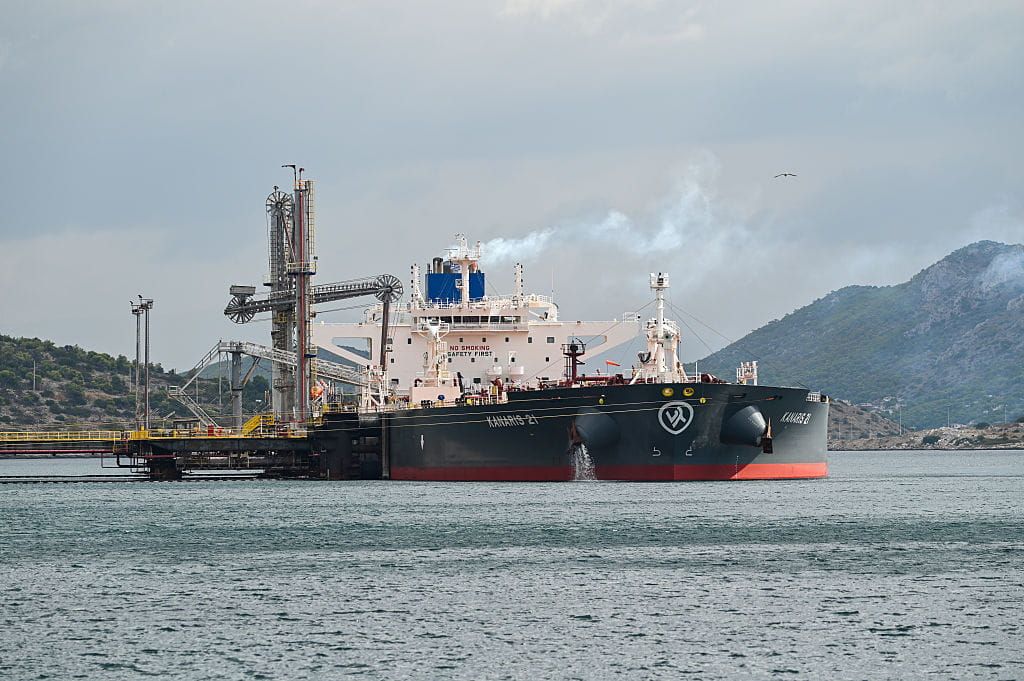
Gulf oil exports have begun to normalize despite ongoing risks in the Strait of Hormuz. According to marine tracking firm Kpler, Middle East oil shipments, excluding Iran, reached at least 16.5 million crude barrels per day in September. This rebound is largely due to regional producers altering their export methods, with 40% of Gulf oil now bypassing the Strait of Hormuz, up from 17% before the war.
Market watchers, including Goldman Sachs and JPMorgan Chase, have observed similar trends, with regional exports estimated to be above 23 million barrels per day, matching last year's averages. The increased use of pipelines, ship-to-ship transfers, and new ports and container terminals has contributed to the recovery.
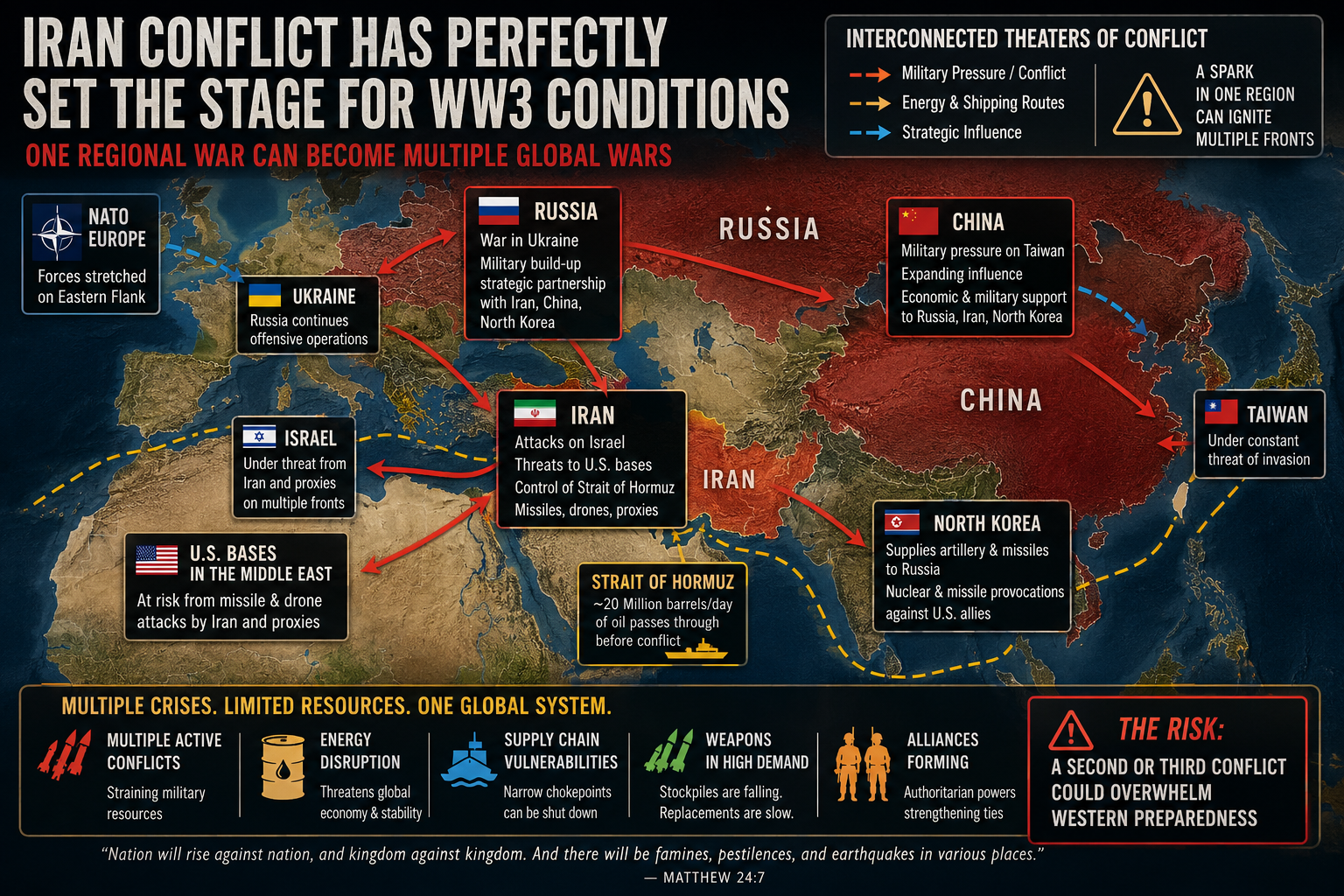
However, analysts doubt the long-term sustainability of the current system, citing high insurance and delivery costs, as well as record tanker freight rates. Iran's increased attacks on commercial ships in the Strait of Hormuz, with nearly 20 attacked over the past month, also raise concerns about the stability of the region.
Refined products, such as diesel and gasoline, have not recovered at the same rate as crude oil exports. Shipments of these products have returned to about three million barrels per day, or around 60% of pre-war levels. The ongoing conflicts in the region, including the US-Iran and Ukraine-Russia conflicts, are expected to continue pressuring the broader economy, with diesel prices potentially remaining near $6 per gallon.