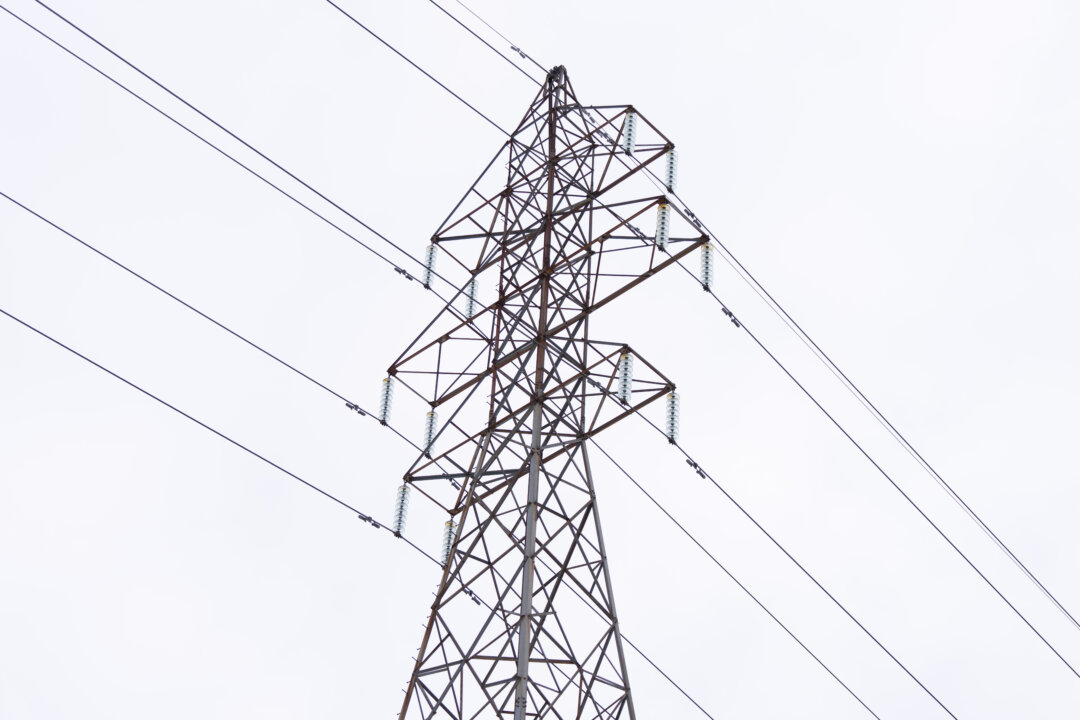
Hydro-Québec, Canada's state-owned utility, has released a report projecting a substantial increase in energy demand, which may lead to energy deficits as early as 2029.
What happened
The utility's new supply plan for 2027-2041 expects an 'extremely high' increase in energy demand, driven by the electrification of transportation, data centers, and energy retrofits of buildings currently relying on fossil fuels. Hydro-Québec anticipates that Quebec's electricity demand will increase by 60 terawatt-hours by 2041, representing a 30% increase.
To meet this demand, the utility plans to add 24,000 megawatts of generation capacity by 2041 and focus on energy efficiency, aiming to achieve savings of 21 terawatt-hours by 2035. However, if new generation capacity is not built, demand may outpace production, leading to potential energy deficits.
Hydro-Québec may need to import electricity from neighboring provinces or the US to meet the anticipated demand. The utility is also considering long-term options, including nuclear energy, but will not pursue it immediately.