What happened
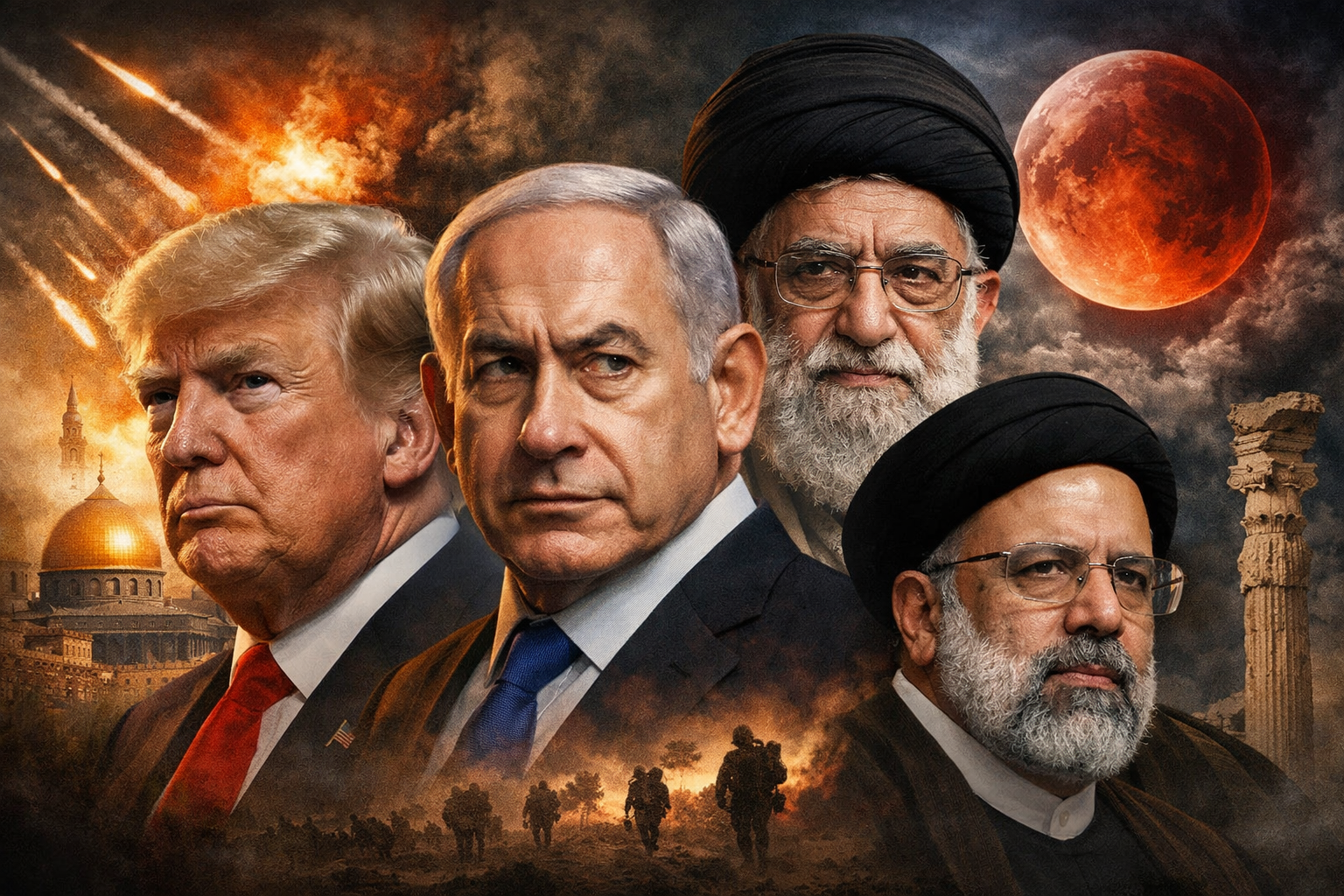
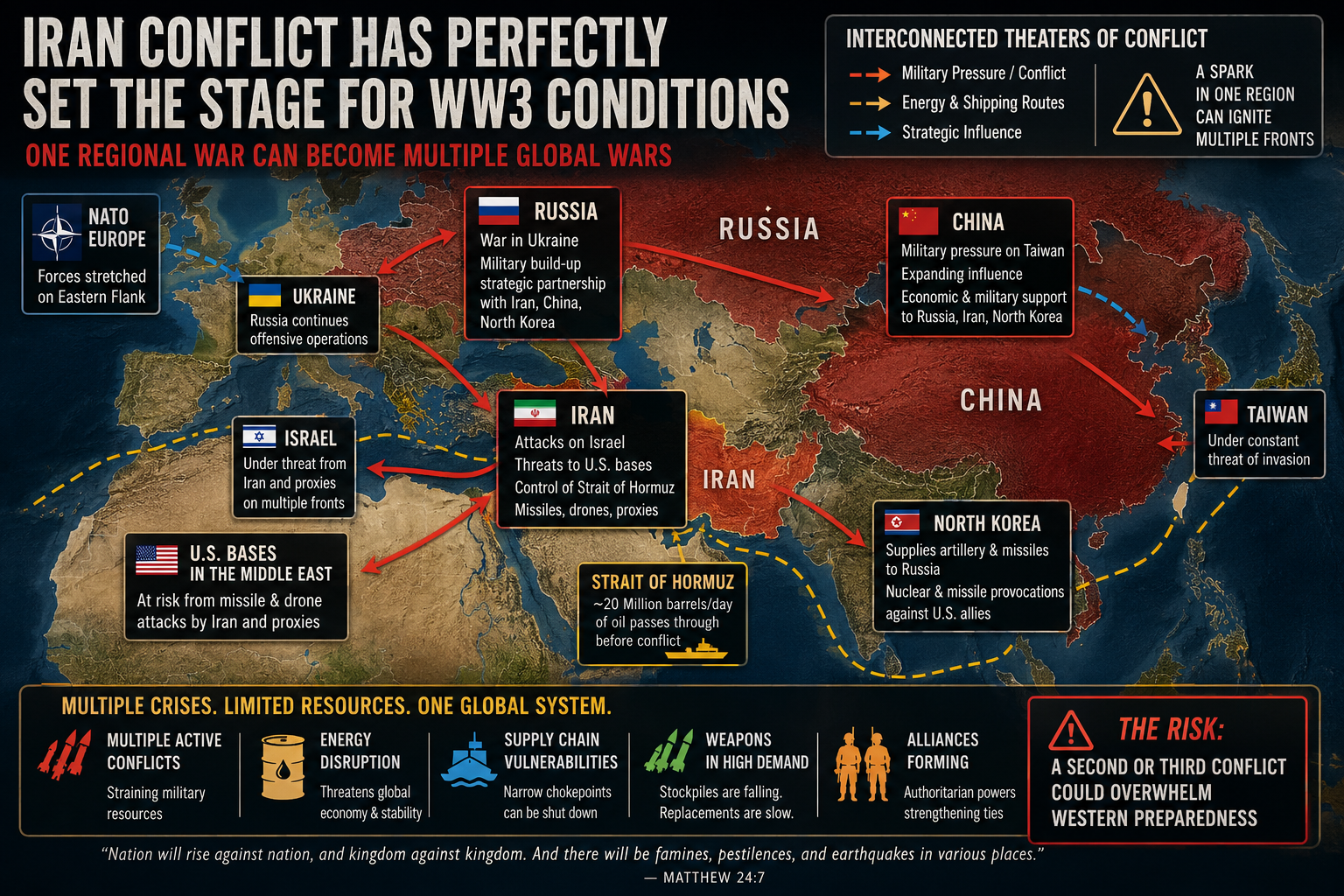
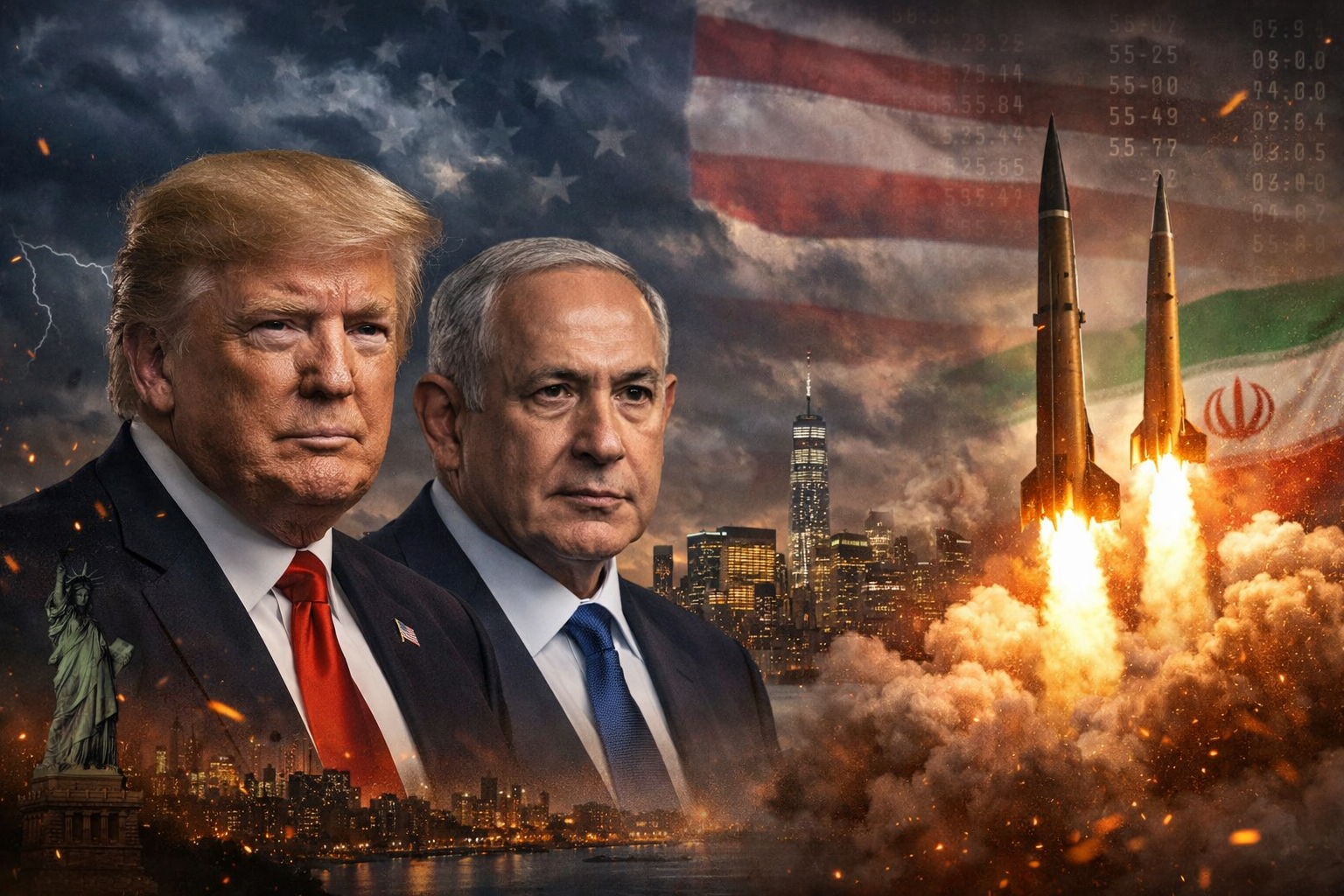
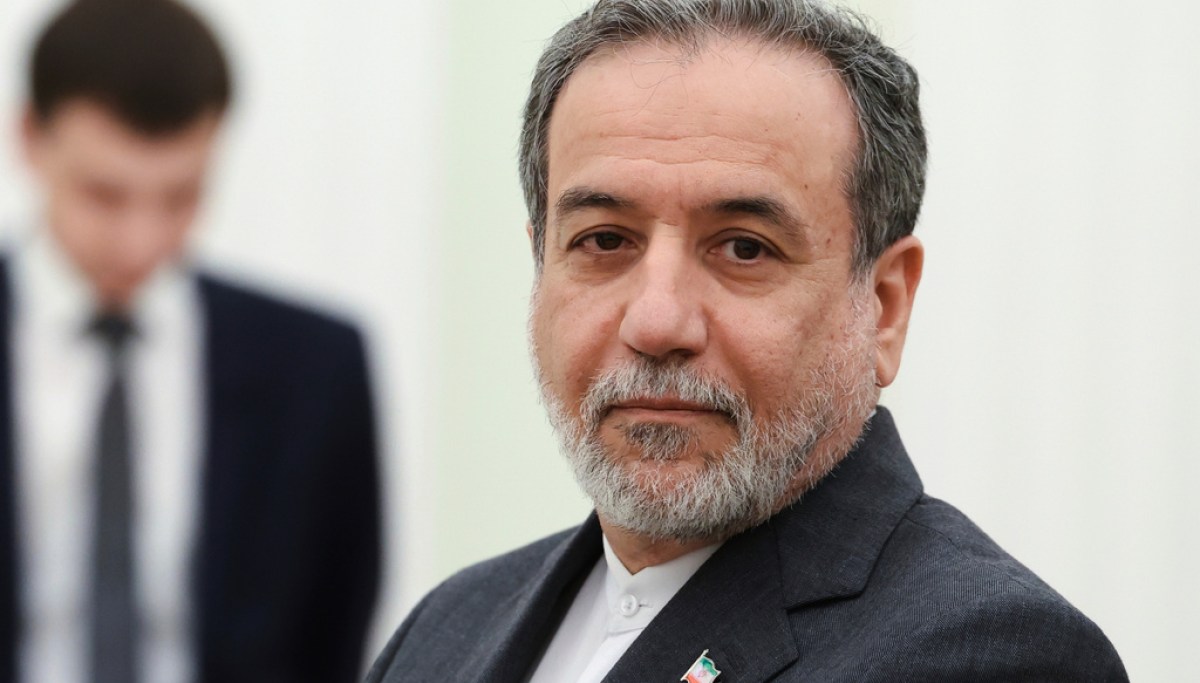
Iran's Foreign Minister Abbas Araghchi stated that Iran is prepared for a potential 'doomsday war' after President Donald Trump rejected a ceasefire offer. The offer included a halt on attacks on shipping in the Strait of Hormuz and a resumption of nuclear talks in exchange for the lifting of the US naval blockade.
Araghchi expressed confidence in Iran's position in the event of a war resumption, but also left the door open for diplomacy, stating that it is up to President Trump to choose. He pointed to the US's shifting public objectives in the conflict and claimed that a new round of fighting would likely result in a stalemate.
The Iranian foreign minister admitted to Iranian missteps in the war and stated that they have learned from their mistakes and corrected their tactics. He also portrayed the ceasefire offer as a benevolent act, arguing that there was no reason for Iran to return to diplomacy given the US's past behavior.
Despite Trump's public rejection of the ceasefire offer, Araghchi revealed that the US had not formally communicated its rejection to Iran. The facts of the conflict were disputed, with Araghchi claiming that the US attacked first and caused the collapse of the Memorandum of Understanding, while the US maintains that Iran's renewed attacks on shipping in the Strait of Hormuz led to the deal's collapse.