What happened
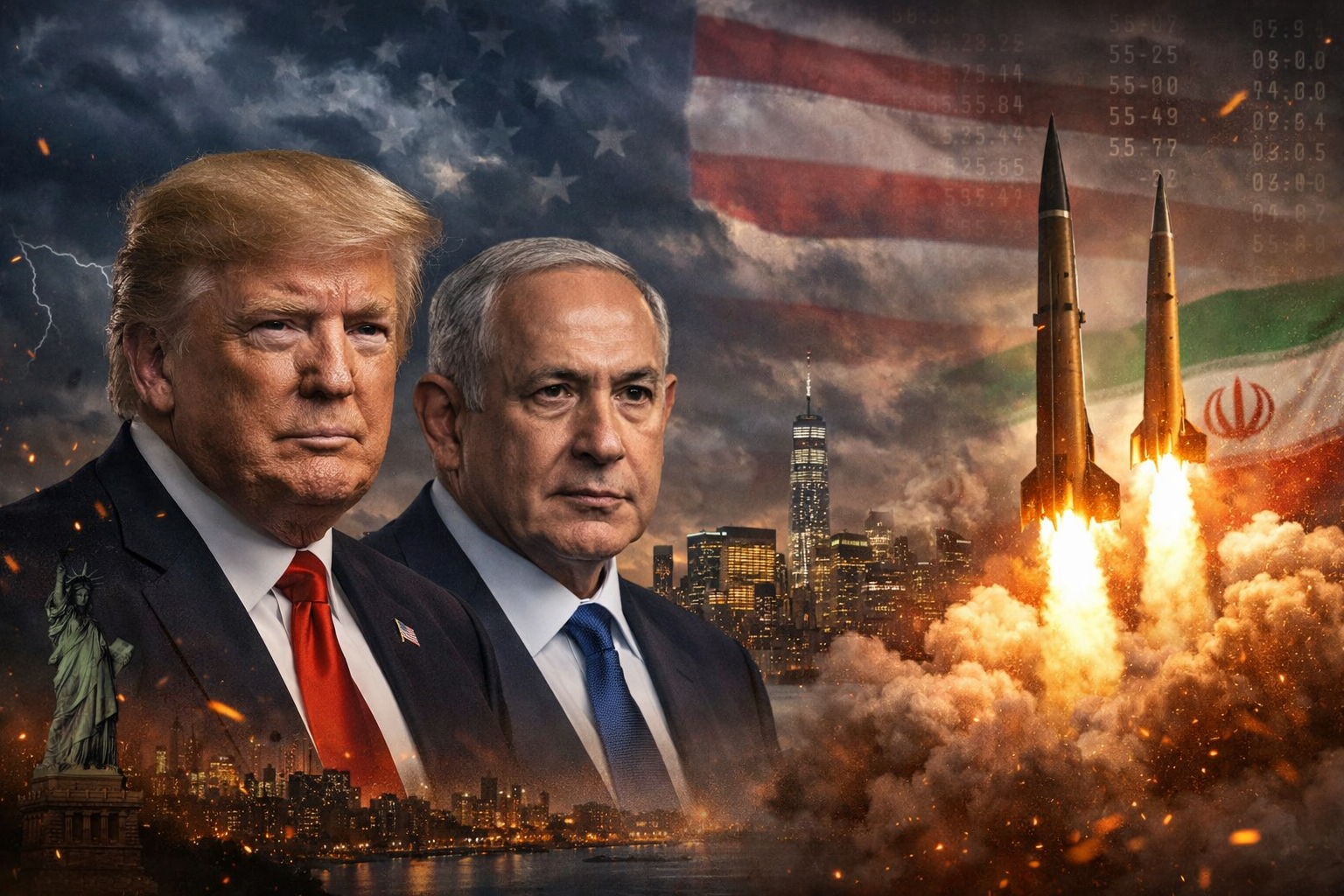
A recent incident at RAF Fairford, a British base used by American bombers, has raised concerns about Iran's potential involvement in attacks on critical infrastructure. British authorities have arrested a dual UK-Iranian national on suspicion of preparing terrorist acts, and Israeli Prime Minister Benjamin Netanyahu has stated that Israeli intelligence warned Britain beforehand of an Iranian-sponsored attack.
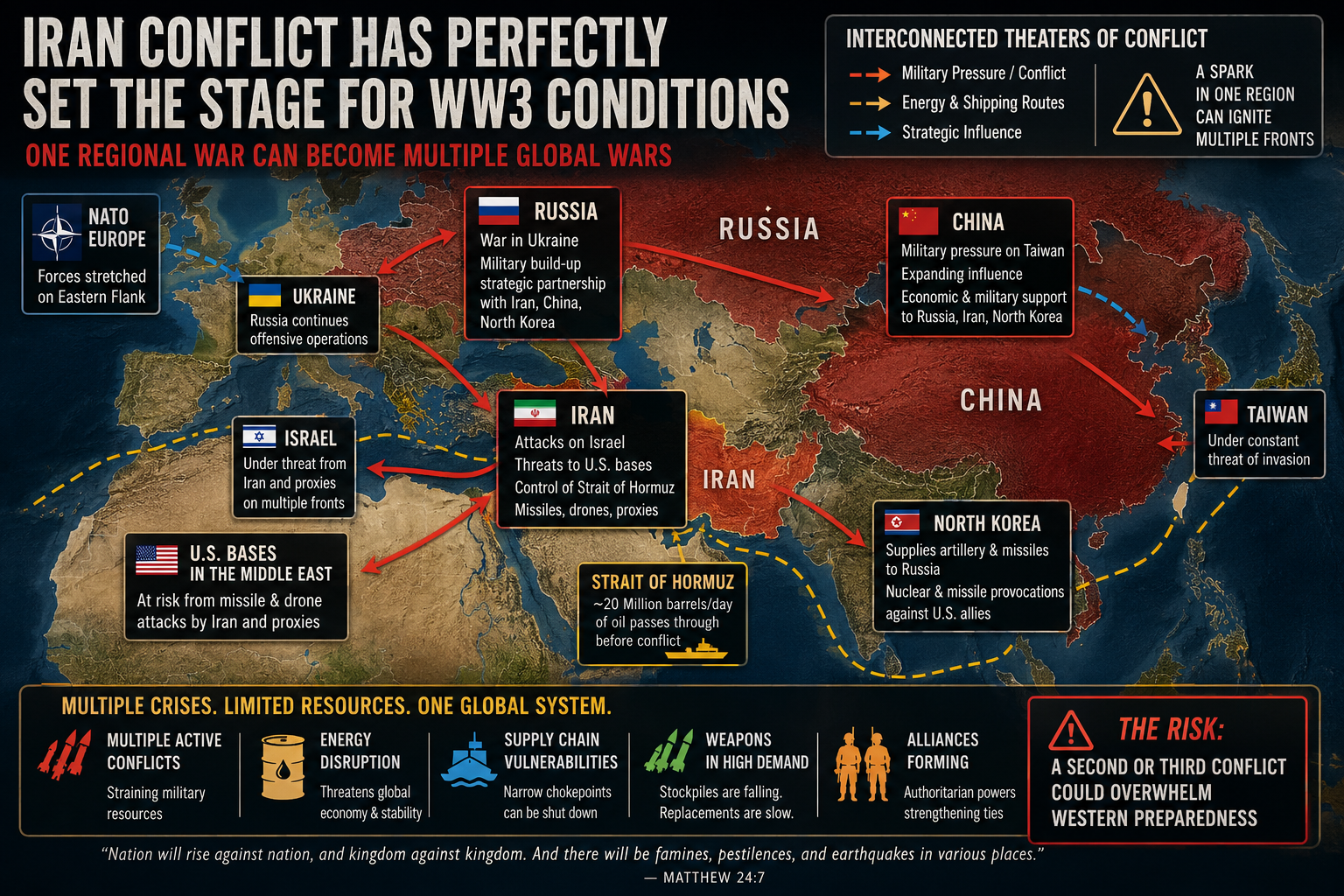
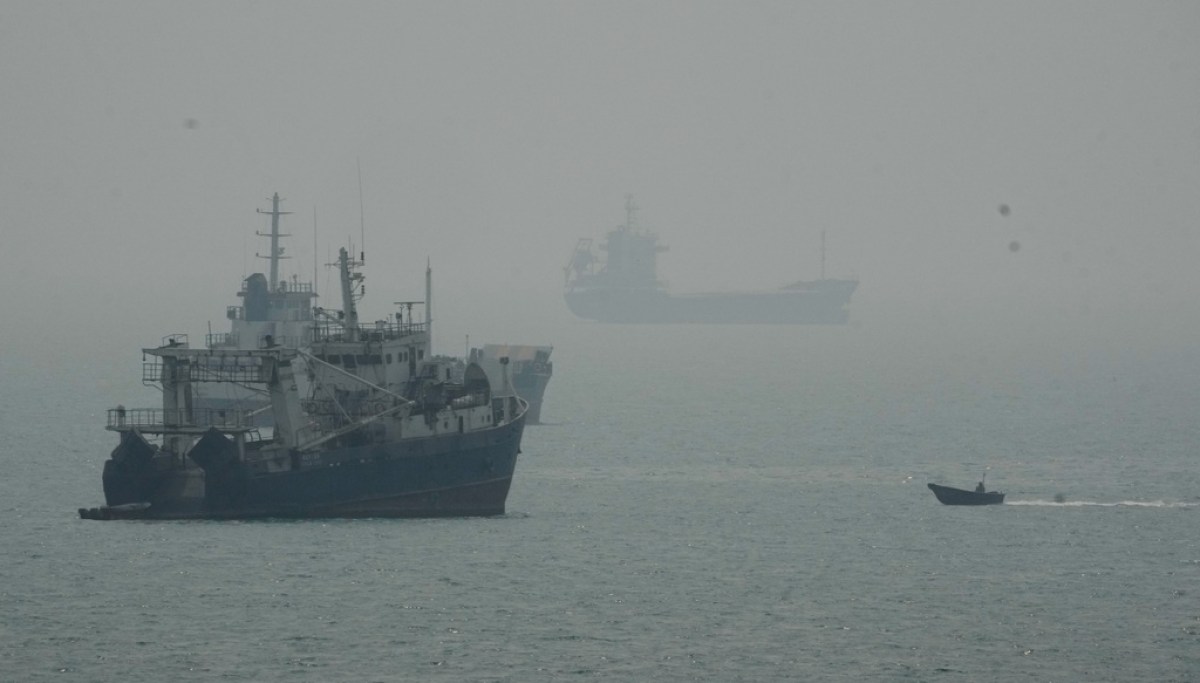
Iran has denied involvement, but the incident highlights the vulnerability of critical infrastructure, such as water, energy, and food systems, to potential attacks. The Strait of Hormuz, a narrow maritime chokepoint, has been threatened by Iran, resulting in attacks on ships, a plunge in commercial traffic, and a surge in energy prices.
The US has numerous critical infrastructure chokepoints, including ports, power systems, communications networks, and water infrastructure, which could be targeted by adversaries. The interdependence of these systems means that an attack on one could have cascading effects on others, potentially crippling the country.
Experts warn that the US needs to treat critical infrastructure as a component of national defense and identify potential vulnerabilities to prevent such attacks. The Operation AquaShield initiative aims to address water security, food security, energy independence, and military readiness to mitigate these risks.