What happened
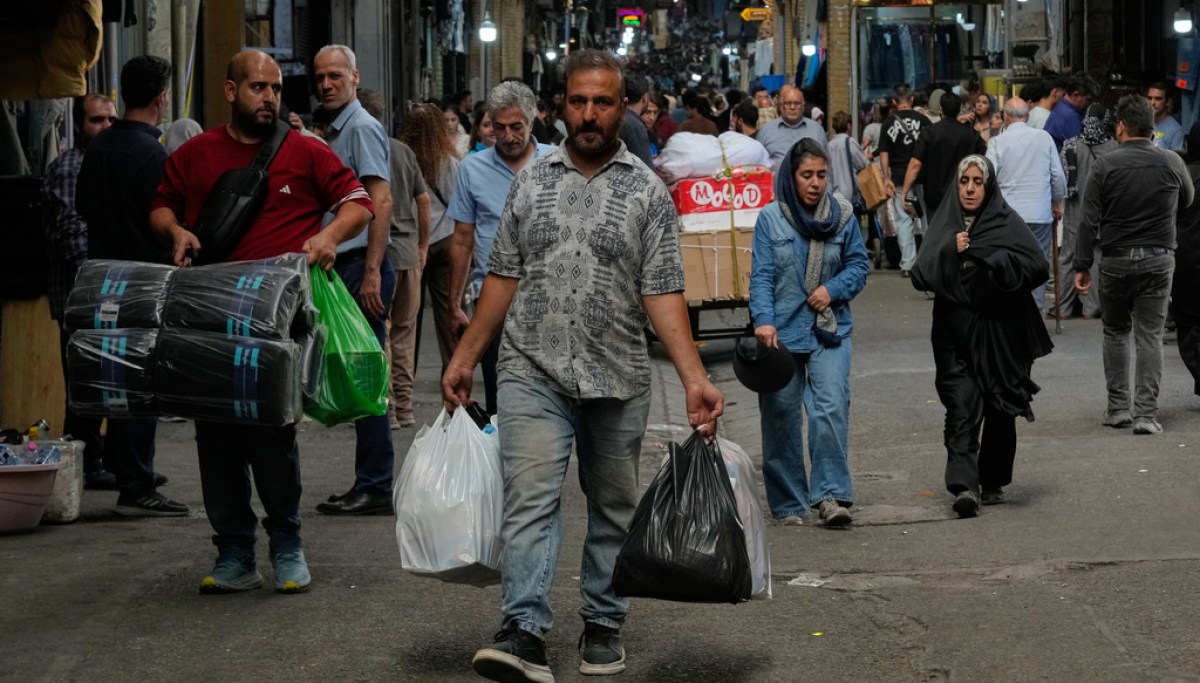
The Iranian economy is experiencing severe strain due to rampant inflation, a plummeting currency value, and disrupted oil exports. The country's economy is projected to contract by 5.4% this year, with consumer price inflation approaching 70%. The Iranian rial has fallen to a record low, and food prices are rising faster than the overall inflation rate, leading to malnutrition in certain segments of the population.
Despite these challenges, the Iranian government has developed a diversified domestic economy and an extensive informal economy, allowing it to function under sanctions. The government can force the cost of adjustment onto its population by allowing the rial to depreciate and restricting imports. This adjustment mechanism is painful but keeps the government functioning.
The US has targeted Iran's oil exports, which has deprived the government of hard currency needed to finance imports and government operations. However, Iran has spent decades learning to circumvent American sanctions, and the government retains its ability to pay security forces, distribute essential goods, and maintain basic state functions.