What happened
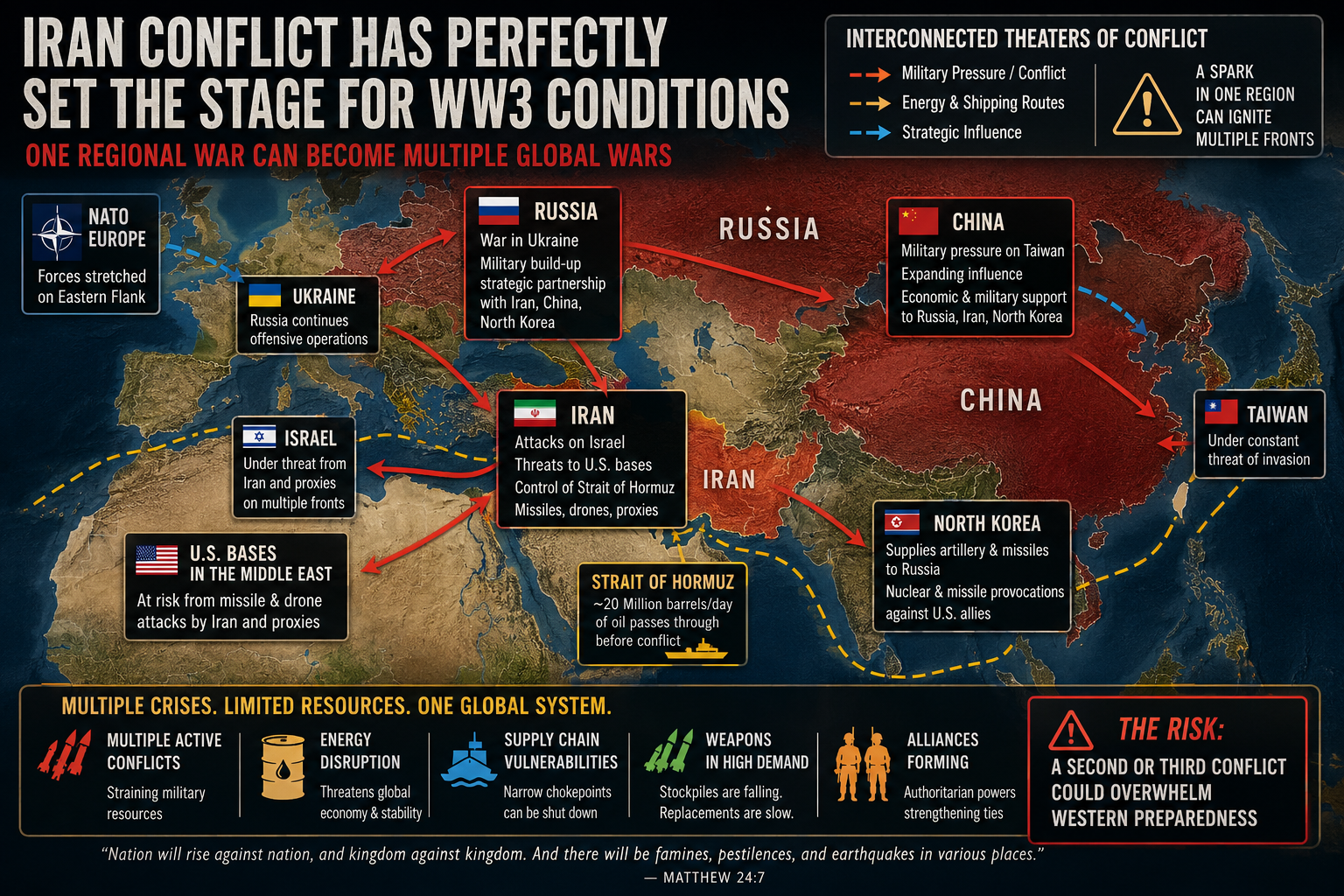
Iran, which accounts for roughly 90 percent of global saffron production, is facing a severe crisis that is disrupting the worldwide supply chain for the expensive spice. Prolonged drought is damaging crops, while war and economic sanctions are straining trade routes and import flows.
European traders, including major operators in Spain that serve as a key entry point for saffron into the continent, have reported serious disruptions in Iranian saffron imports.
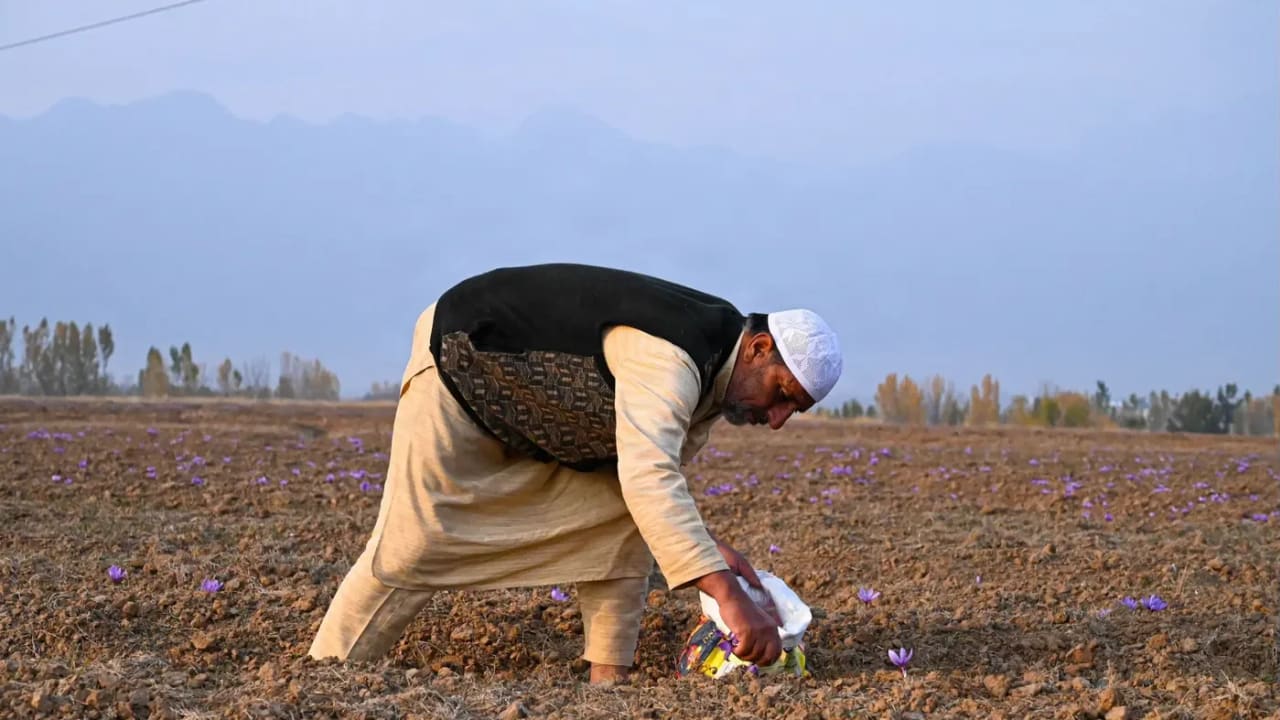
Other major growing regions are also struggling. Kashmir’s production dropped from 8 tons in 2010-2011 to 2.6 tons in 2023-2024. Local farmers cite severe drought during flowering seasons, pest damage from rats and porcupines, and urban development encroaching on farmland.
Shortages and rising prices have created opportunities for market fraud. Traders are reportedly importing saffron through indirect routes, repackaging it, and selling it under false luxury labels as pure Kashmiri saffron. In some cases, the product is discounted Iranian saffron or counterfeit substitutes containing food coloring and turmeric.
Food experts and regulators warn that these practices are eroding consumer trust and harming farmers whose livelihoods are already under pressure.