What happened
The ruling theocracy in Iran has survived decades of sanctions, diplomacy, and two major wars in the past 15 months. Despite substantial economic and military costs imposed by the U.S., the regime's political system remains unchanged. Recent nationwide protests in late 2025, which spread across all 31 provinces, were met with massive lethal force, mass arrests, and communications blackout restrictions, preventing them from developing into a sustained nationwide mobilization.
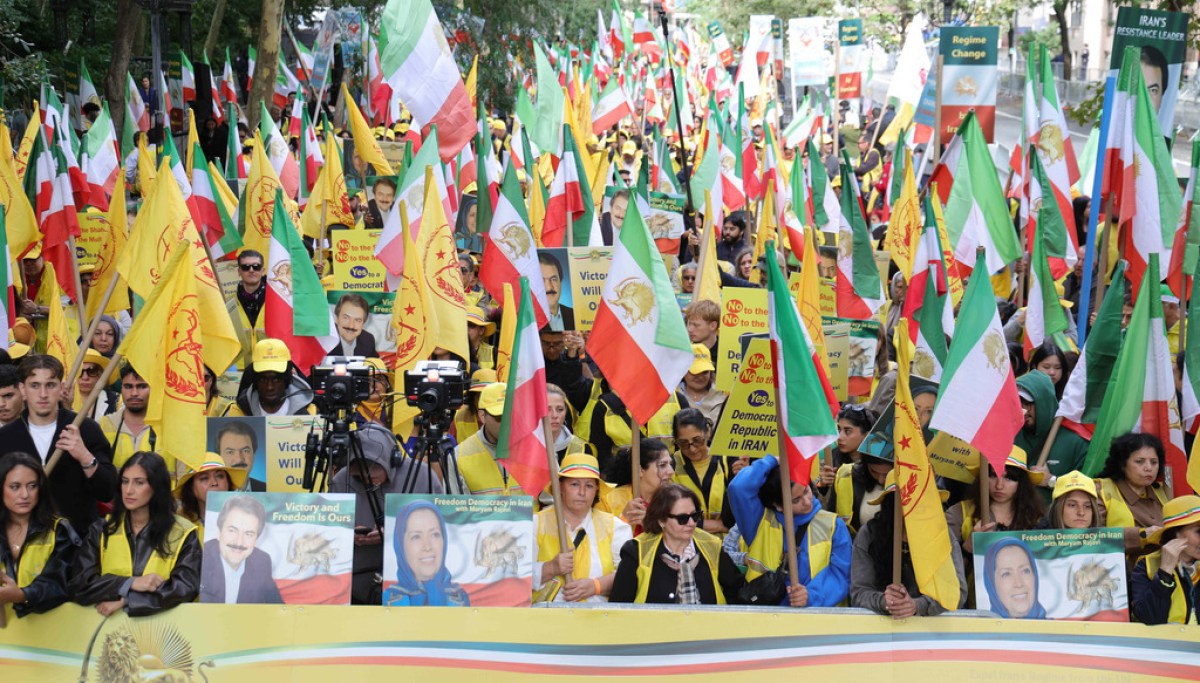
The Islamic Republic has built an extensive system of surveillance, detention, and coercion to prevent popular discontent from developing into sustained nationwide mobilization. However, the existence of networks capable of organizing, communicating, and sustaining action despite repression could change the equation. The National Council of Resistance of Iran, a coalition of Iranian opposition groups, has reported that the Islamic Revolutionary Guard Corps and other security forces have been placed on heightened alert, with increased patrols and preparations for arrests.
Organized opposition forces, such as the National Council of Resistance of Iran and its main member organization, the People's Mojahedin Organization of Iran, have maintained organizational structures and networks over decades. These groups have the potential to convert spontaneous unrest into sustained political pressure and could be a game-changer in the Iranian situation.