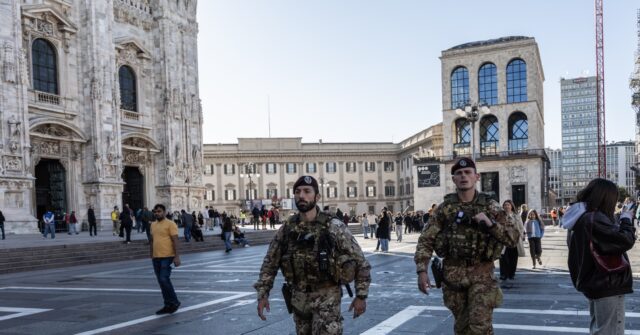
Italy has deployed hundreds of soldiers to Milan in anticipation of fresh protests, following last week's looting and clashes with police.
What happened
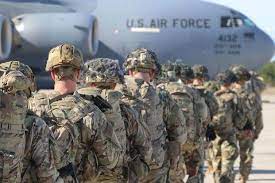
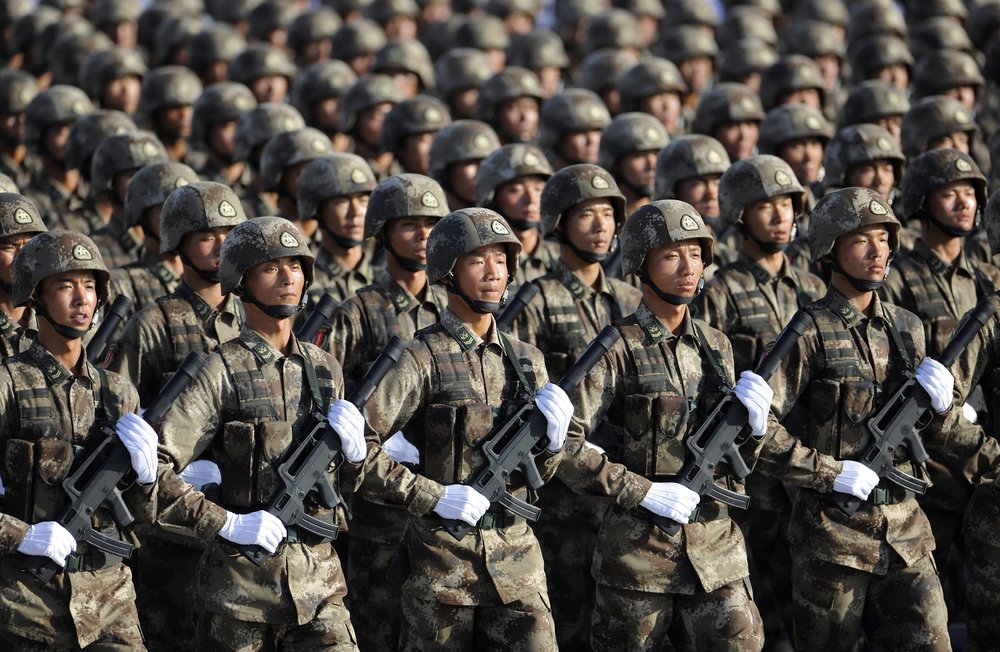
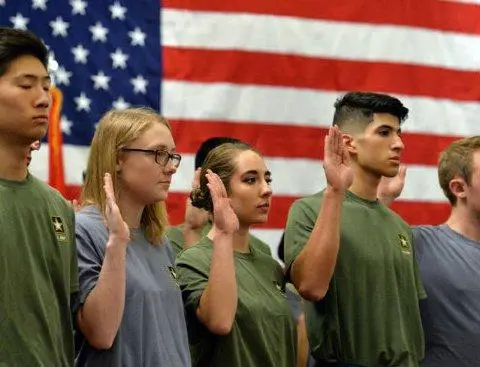
Premier Giorgia Meloni announced the deployment of an additional 500 soldiers to Milan, in addition to the hundreds already stationed there, to support the 5,000 police and law enforcement personnel. The city's mayor, Giuseppe Sala, expressed concern about a repeat of violence and supported the deployment of more soldiers.
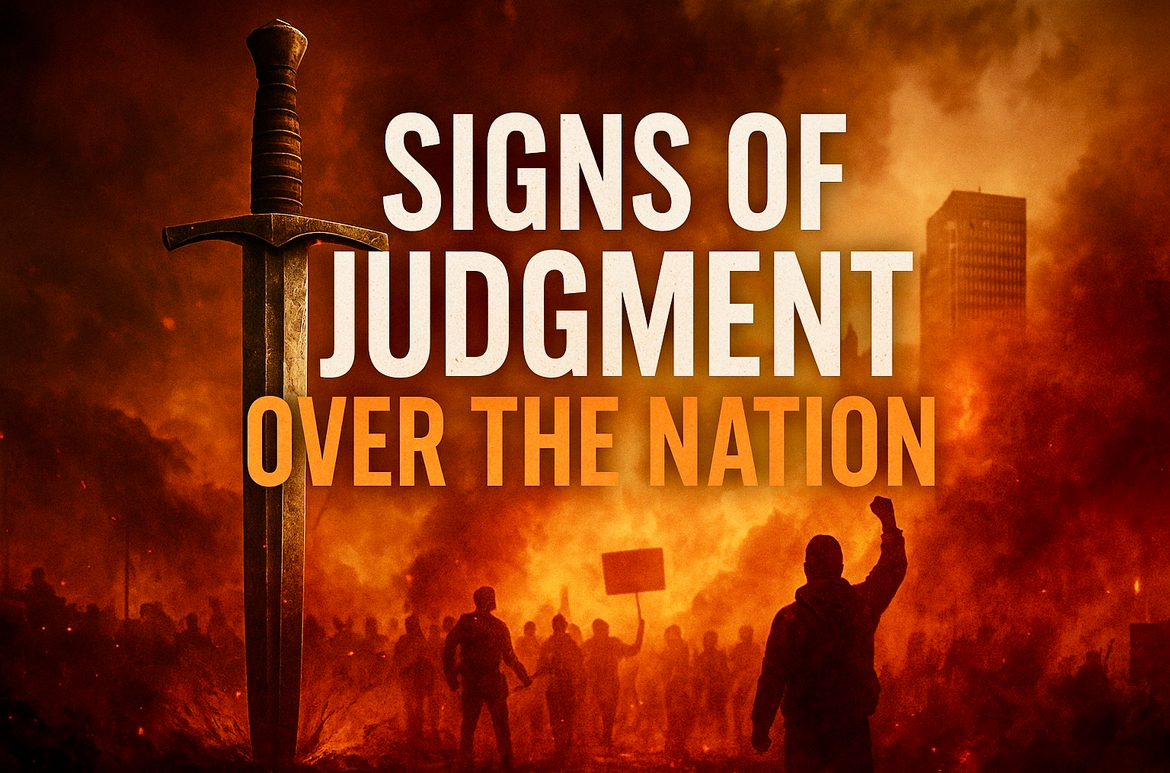
The protests in Milan are part of a larger wave of unrest sweeping across Europe, with demonstrations also scheduled in Portugal, Albania, and other cities. The Italian government has implemented security measures, including drone surveillance, checks at railway stations, and online monitoring for potential calls to violence.
Last week's violence and looting in Milan involved about 2,000 young protesters, many of whom were naturalized, second-generation Italians, alongside foreign nationals. Police arrested 45 people, including 34 minors, and officials are calling for more investigation into the backgrounds and motives of the young people involved.
Similar protests are expected in other European cities, including Rome, where authorities have locked down luxury shopping streets and stepped up controls ahead of planned demonstrations. The protests are driven by a range of issues, including social and economic inequalities, corruption, and demands for greater investment in education and affordable housing.