What happened
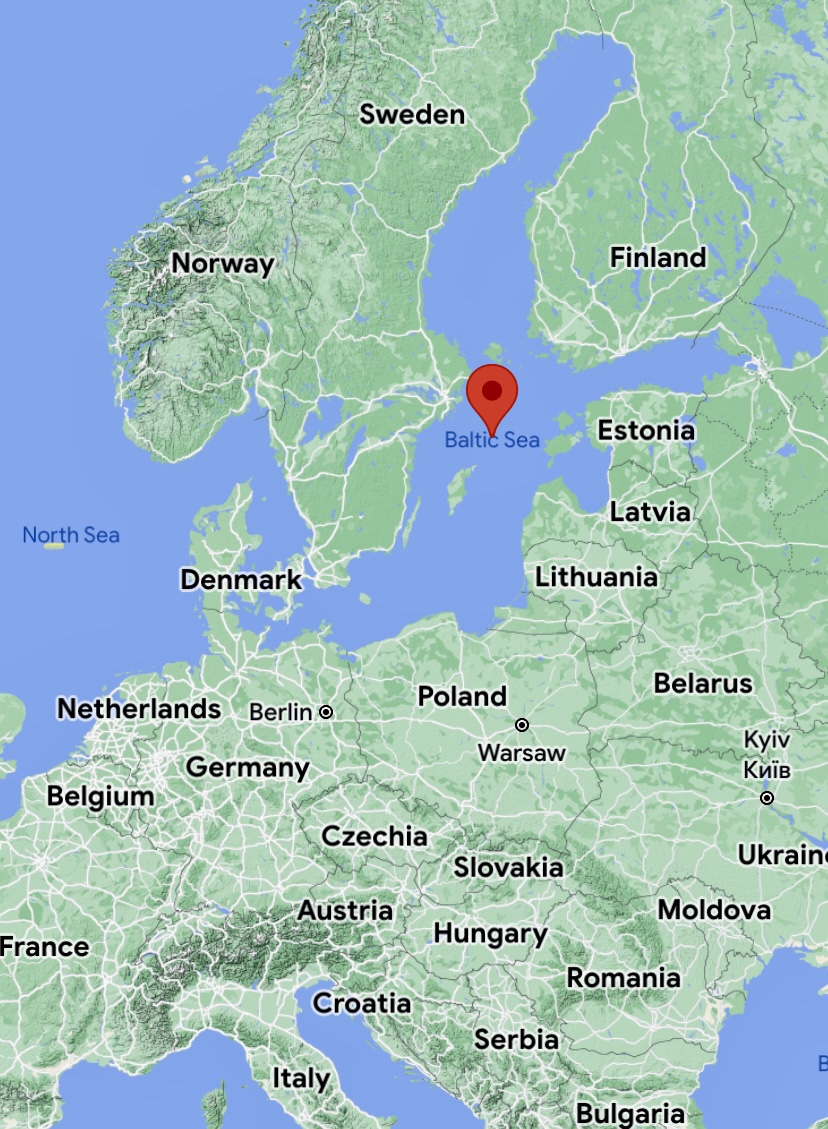
Latvia’s Ministry of Foreign Affairs has prepared a draft Cabinet regulation proposing a national ban on the transit of grain originating in Russia and Belarus. The ministry submitted the proposal to Prime Minister Andris Kulbergs.
The ministry said it had previously presented three scenarios to the Cabinet on October 13, 2026, including an EU-wide transit ban. It stated that member-state support for a unified European measure is currently insufficient, prompting Latvia to pursue a national solution.
Under the draft, the ban would be implemented through Latvia’s national sanctions mechanism. The ministry said this approach would provide a legal basis for the prohibition, along with a system for monitoring compliance, identifying violations, and applying liability under existing regulations.
The ministry acknowledged that implementation carries legal and economic risks, including possible litigation over existing contracts, effects on the transport and logistics sector, state budget revenues, and the need to comply with EU law. It assessed these risks as manageable and not an insurmountable obstacle.
Latvia will continue working at the EU level to promote a coordinated approach to restricting Russian and Belarusian grain transit. The ministry also noted that grain transit from Russia through Latvia increased 3.1 times in the first ten months of 2026 compared with the same period in 2025.
Public demonstrations against the grain transit business took place last week, including a protest on Saturday under the slogan “No to blood for grain!” At that event, Kulbergs promised to push for regulation preventing new contracts for Russian grain transit.
In September, the government authorized the Food and Veterinary Service to conduct laboratory tests on the origin of transit grain, following Ukrainian reports about significant volumes of grain illegally obtained in occupied Ukrainian territories and potentially moved through Latvian ports with Russian-origin documents.