What happened
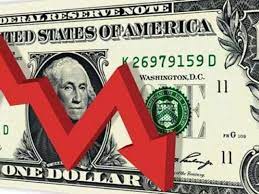
A new National Bureau of Economic Research working paper by economists Domenico Giannone of Johns Hopkins University and Giorgio Primiceri of Northwestern University concludes that demand factors accounted for approximately 90 percent of excess inflation during the post-pandemic surge in the United States and Europe. Supply shocks were responsible for roughly 10 percent.
The authors attribute the demand surge to strong pent-up demand following pandemic restrictions, expansionary fiscal policies, and an accommodative monetary stance. The paper states that fiscal stimulus made an enormous contribution to inflation in early 2021, while the Federal Reserve's monetary policy subsequently helped sustain inflationary pressures.
The researchers argue that supply-chain bottlenecks were partly consequences of excessive demand rather than independent causes. They note that American ports processed record volumes as consumers and businesses spent money supported by government spending.
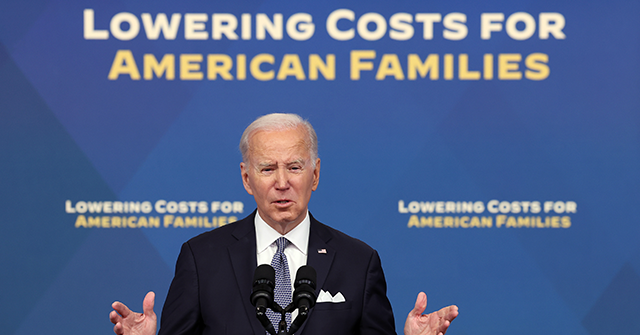
The article contrasts these findings with earlier public narratives that emphasized supply-chain disruptions and transitory inflation. It references statements by President Biden, the Federal Reserve, and various news outlets that attributed rising prices primarily to supply constraints.
The piece also mentions that some economists, including Jason Furman, Olivier Blanchard, and Larry Summers, had previously warned that excessive stimulus was overheating the economy.