A recent analysis has revealed that the administration of former North Carolina Governor Roy Cooper directed $100 million in disaster relief funds towards affordable housing projects, despite hundreds of hurricane victims still awaiting permanent homes.
What happened
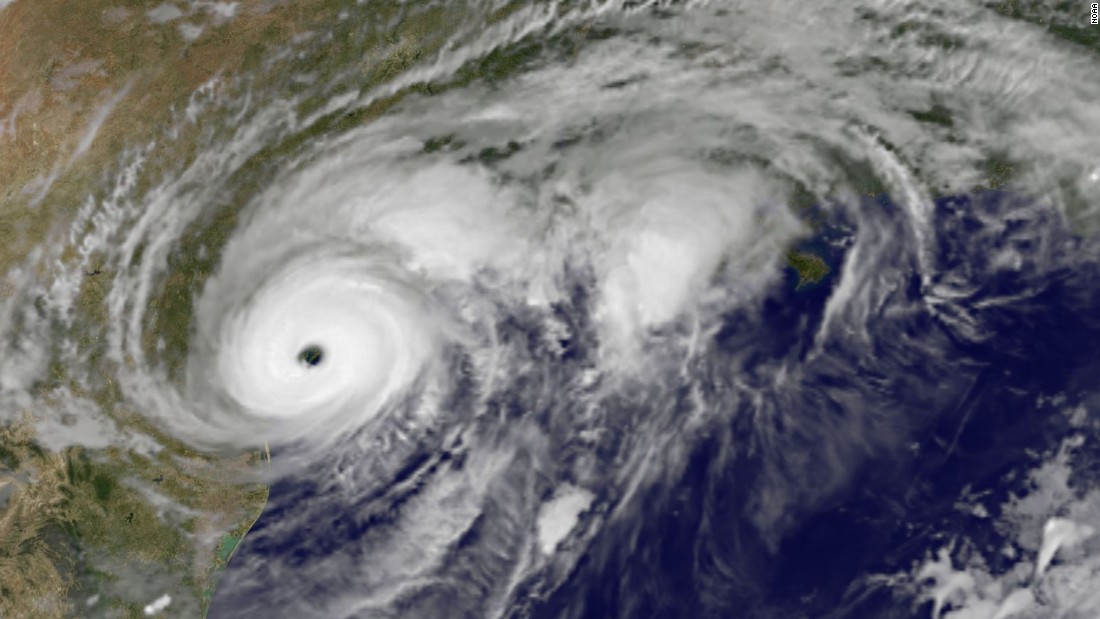
Following the devastation of two major hurricanes, Hurricane Matthew and Hurricane Florence, the North Carolina Office of Recovery and Resiliency (NCORR) allocated the funds for affordable housing initiatives. One such project, Starway Village, received $9 million to build a 278-unit complex for individuals earning $45,000 per year. Notably, these affordable housing projects do not require applicants to be hurricane victims.
The NCORR defended the allocation of funds, stating that they worked with the Department of Housing and Urban Development (HUD) to determine and prioritize needs in storm-impacted areas. The agency also claimed that incorporating affordable housing into recovery plans is a common practice, as encouraged by HUD.
However, the decision has raised concerns, as many hurricane victims remain without rebuilt or repaired homes. A report found that over a thousand families were still left without permanent homes years after the storms. The NCORR spokesperson emphasized that their ReBuild NC program has returned 4,240 eastern North Carolina families to safer, more resilient homes.
Former Governor Cooper, who is currently running for a Senate seat, has faced controversy over the handling of disaster relief funds in the past. A state audit found that the reconstruction of over 1,100 homes was unfinished by the time he left office, and it took an average of 138 days to determine eligibility for reconstruction funds and four years for construction to begin after being deemed eligible.