Oil prices have dropped by over 10% due to hopes of a breakthrough in peace talks between the US and Iran, which could lead to a return to normal energy supplies.
What happened
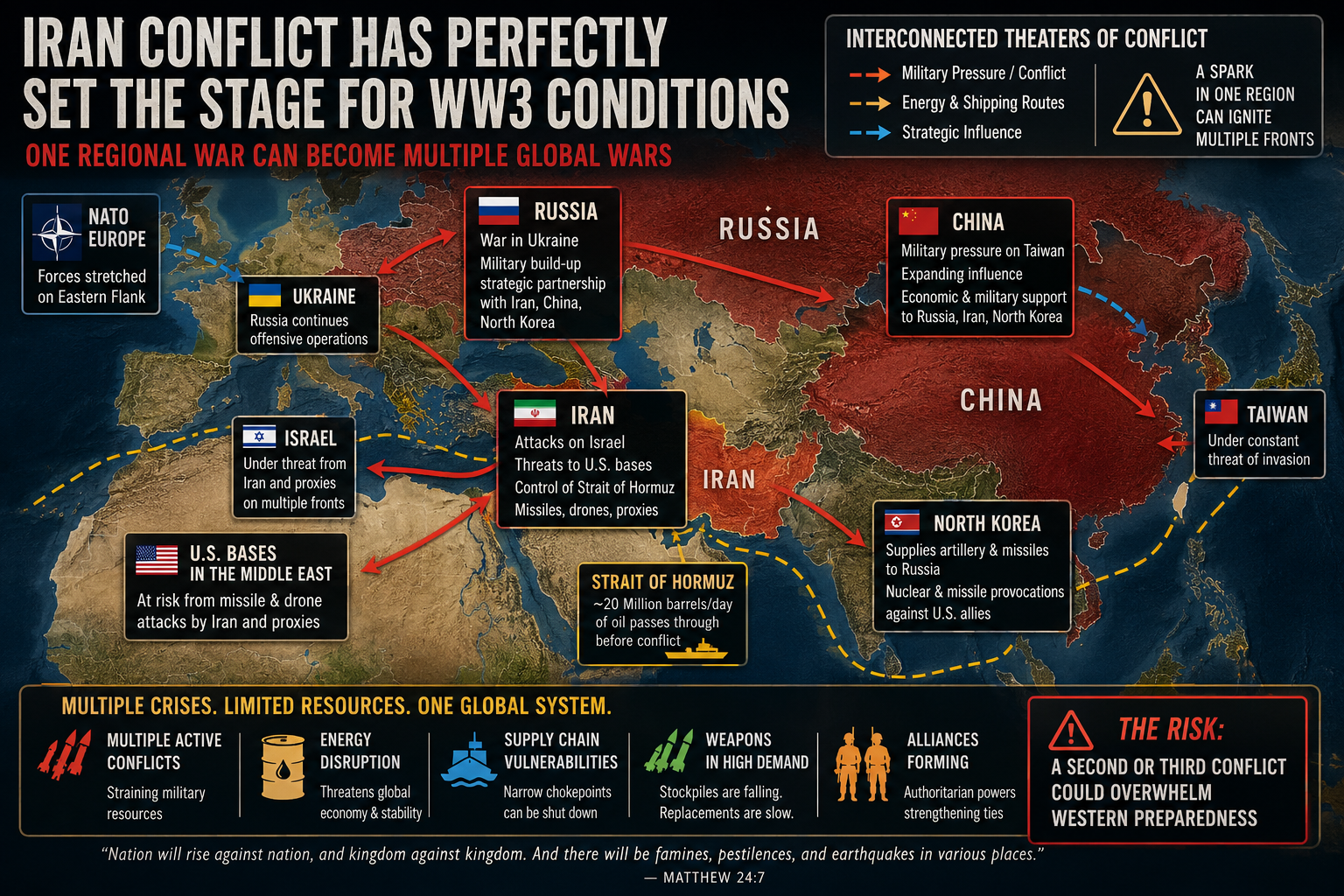
The price of Brent crude fell to below $105 a barrel as talks between Iranian and Qatari officials about peace in the Middle East entered their third day. This decline comes after oil hit a six-month high of $118 a barrel last week, sparked by concerns that the conflict could escalate.
Analysts believe that the oil market is reacting sensitively to developments in the Middle East, with fears of an imminent escalation pushing prices up last week, and diplomatic talks causing them to drop sharply. However, some experts warn that the talks may not result in peace, and oil prices could rise again if output from the region does not rebound.
The drop in oil prices may impact inflation and interest rates, with the Bank of England expected to raise interest rates this week. Despite the slump in oil prices, they remain well above the $60 to $70 range seen before the outbreak of war in the Middle East.
Economists predict that inflation could hit 5% in the UK this winter, and the Bank of England may raise interest rates to 4% to combat this. However, some analysts believe that the Bank will seek to dampen expectations of further rate hikes, offering relief to borrowers.