Protests have been reported in several European countries, including France, Albania, Belgium, Greece, Italy, Portugal, and Spain, with demonstrators demanding improvements in education, higher wages, and better public services.
What happened
The protests began in France in September, when students at one high school complained about deteriorating classroom conditions, including teacher shortages, aging buildings, overcrowding, and reduced funding. The movement quickly spread to other schools, labor unions, and activists, who demanded higher wages and better public services.
In other countries, protesters have focused on various issues, such as education reform and an end to government corruption in Albania, education reforms and government budget cuts in Belgium, and housing affordability in Portugal and Spain.
Authorities have responded to the protests with a mix of concessions and force. In France, the government has promised measures such as class size caps, loans for school renovations, and changes to the university admissions system, while also deploying 70,000 police officers to maintain order. In other countries, leaders have condemned violence and police have confronted protesters, made detentions, and responded to unrest.
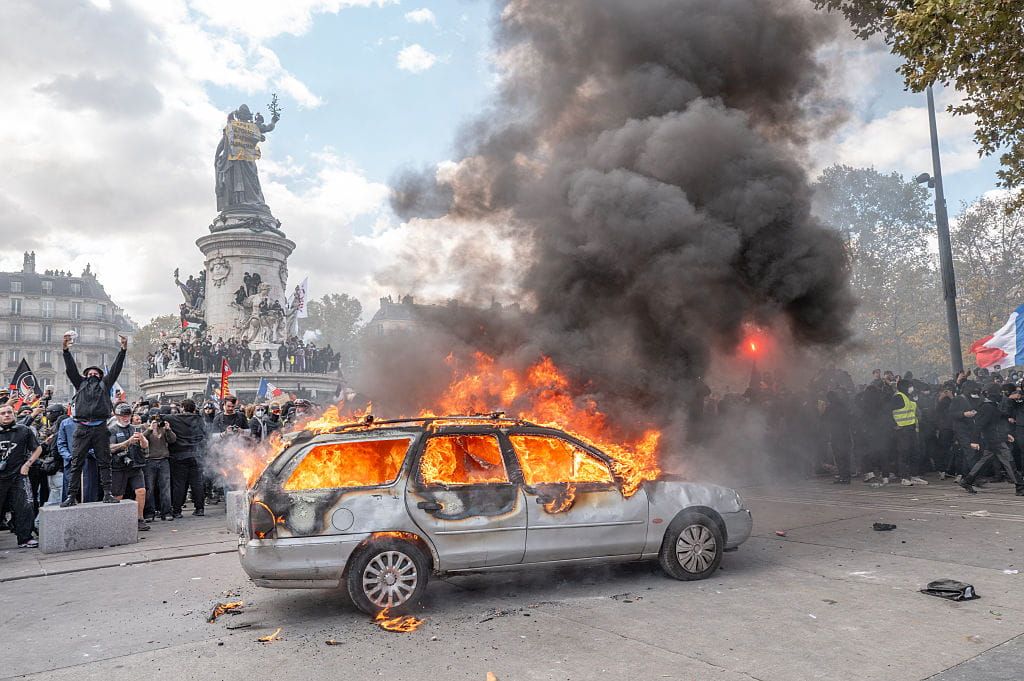
The protests have turned violent in some areas, with reports of masked protesters hurling objects and fireworks at police, who have responded with tear gas, sound grenades, and water cannons. The unrest has resulted in injuries and detentions, with over 300 protesters and police officers injured in Albania and dozens of demonstrators detained.