What happened
The COVID-19 pandemic led to temporary emergency measures, including school closures and restrictions. However, these measures have raised questions about their prolonged implementation and the impact on the public.
According to national reading assessments, children's achievement in 2024 remained below 2019 levels, suggesting that recovery from the pandemic's effects cannot be presumed.
Additionally, the use of surveillance technology, such as Flock Safety's license-plate camera networks, has raised concerns about access, retention, and oversight. Over 200 cities and counties have stepped back from using Flock, representing substantial public reconsideration.
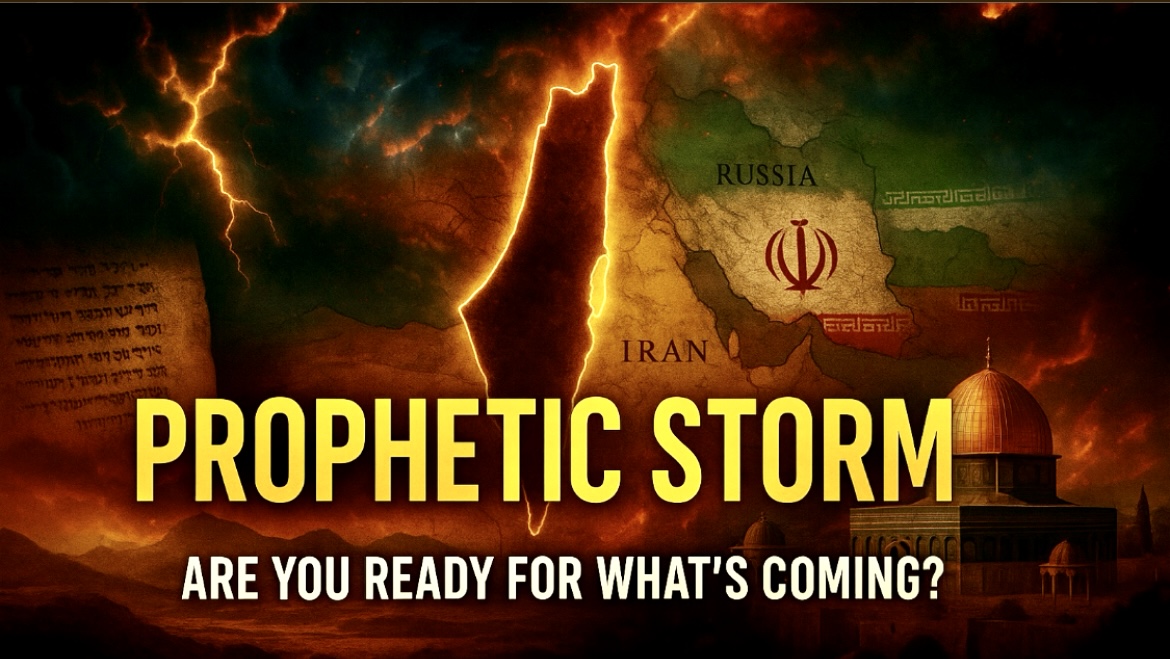
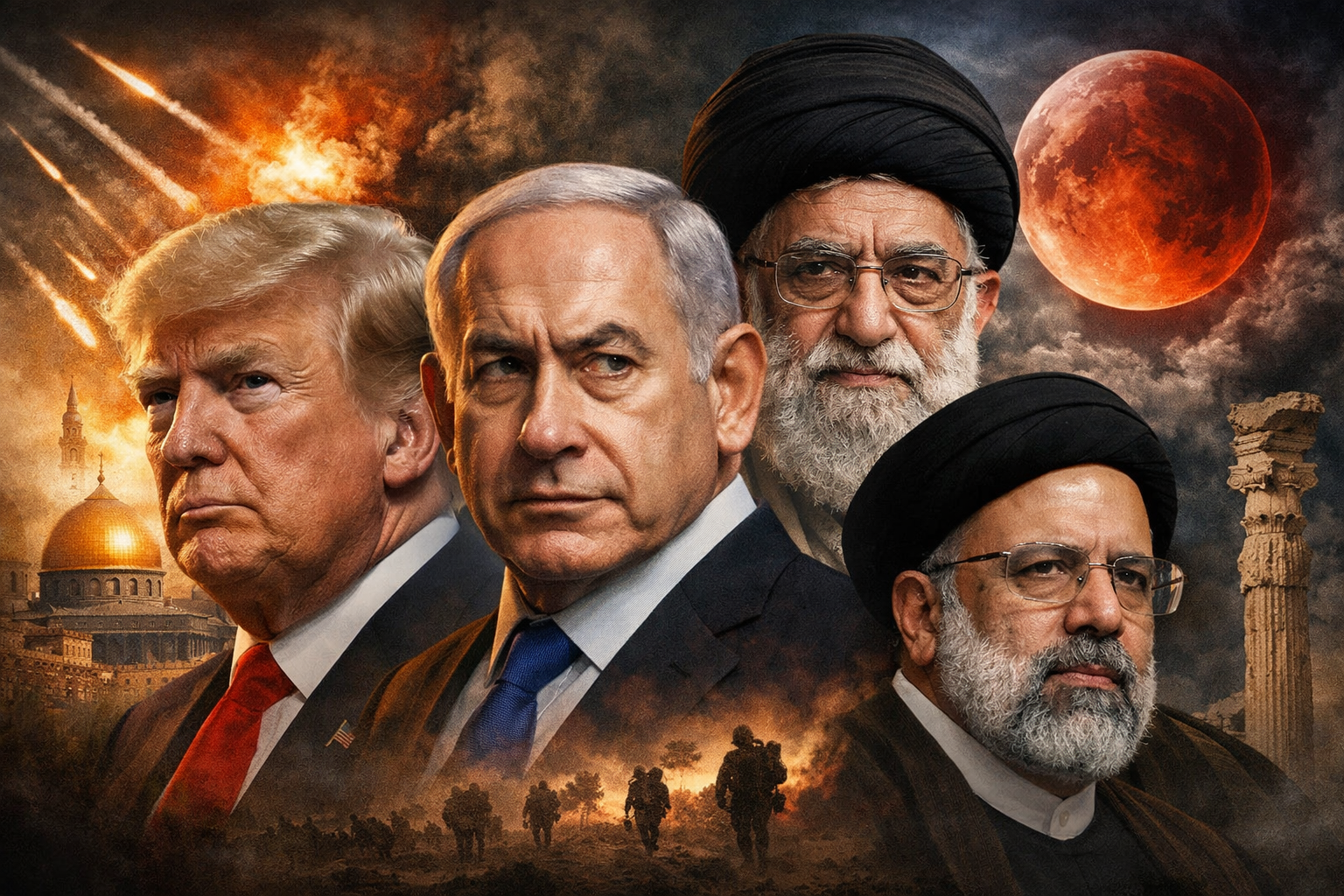
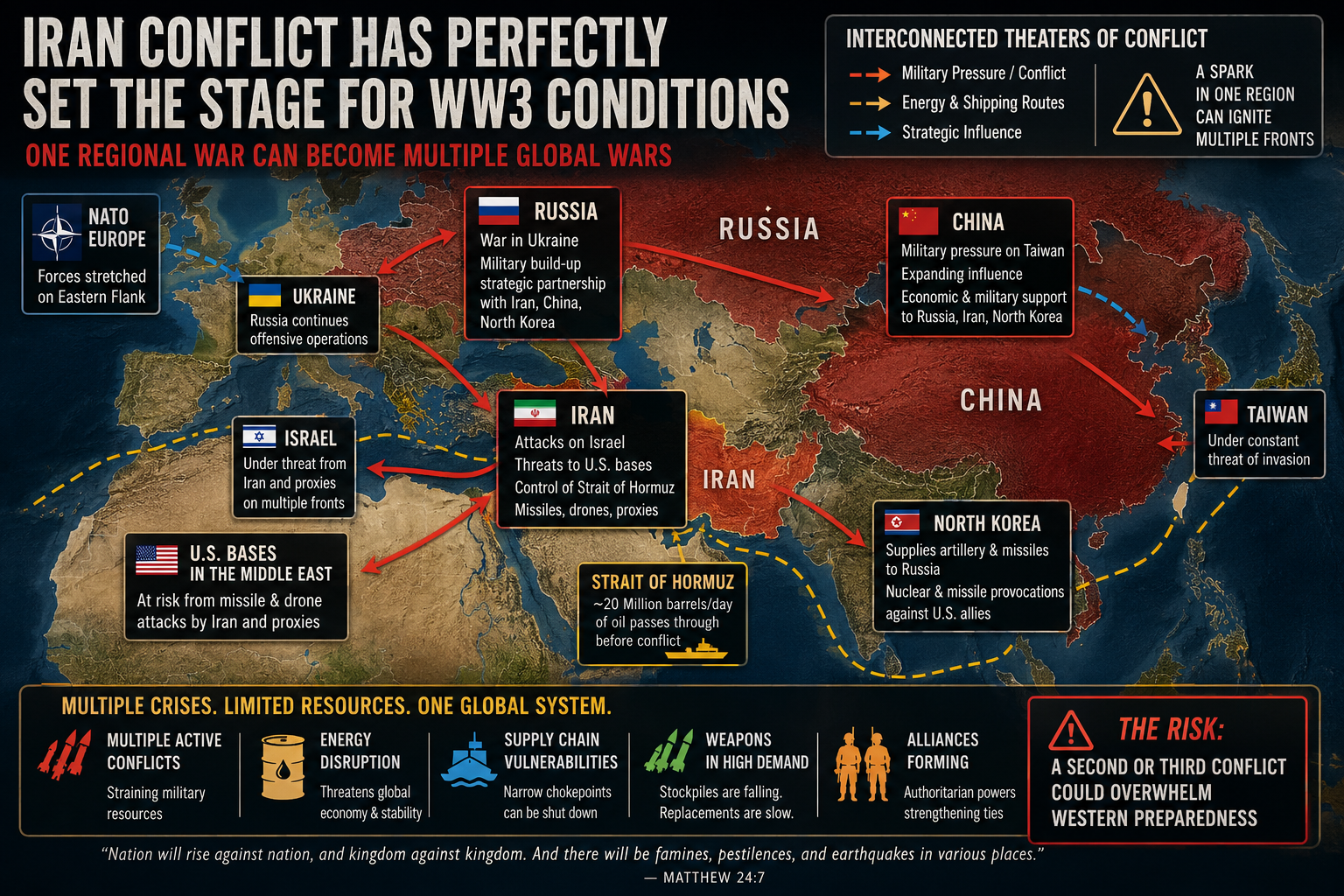
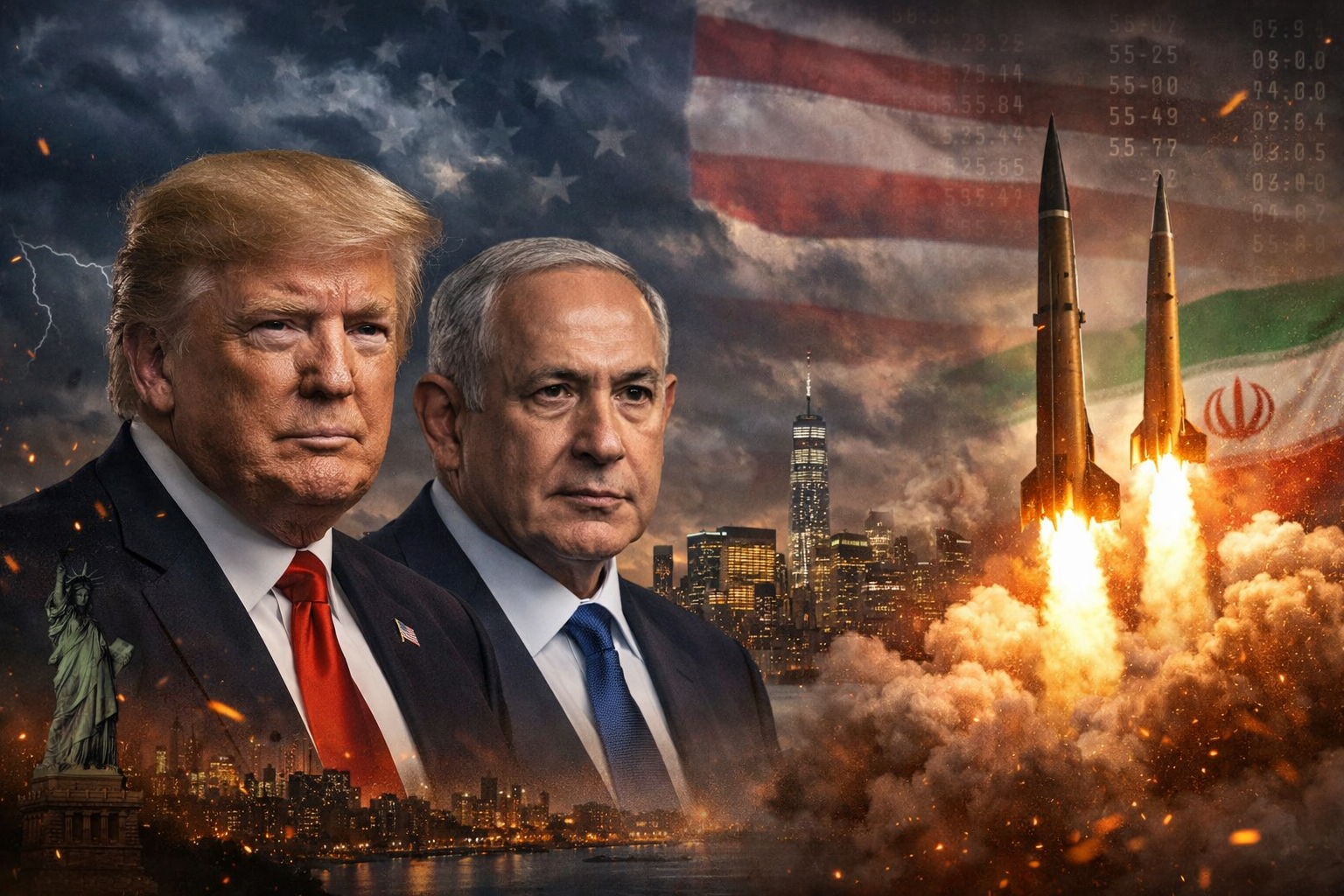
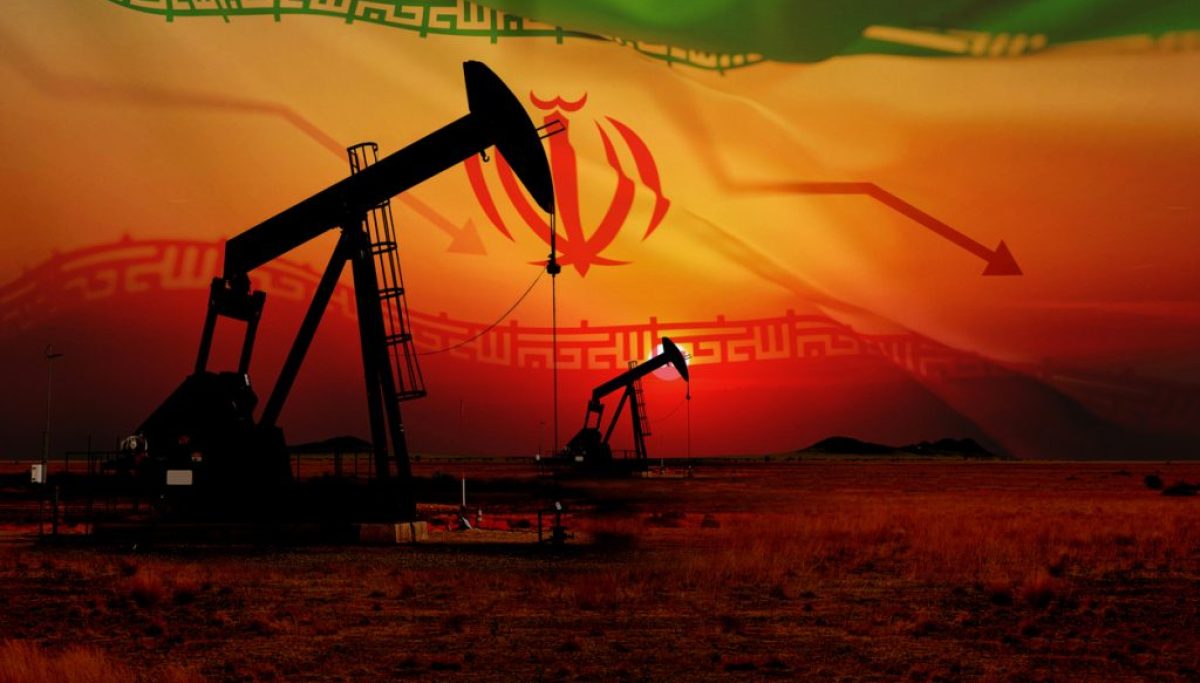
The extended conflict with Iran has also led to increased gasoline prices, which can become an expected expense for households. However, public resignation does not make expensive fuel inevitable, and improving supply conditions can bring relief.
These situations highlight the need for leaders to explain the burden of emergency measures, account for their consequences, and identify what would permit them to end. Citizens deserve to know what success looks like and when they can meaningfully challenge official decisions.