What happened
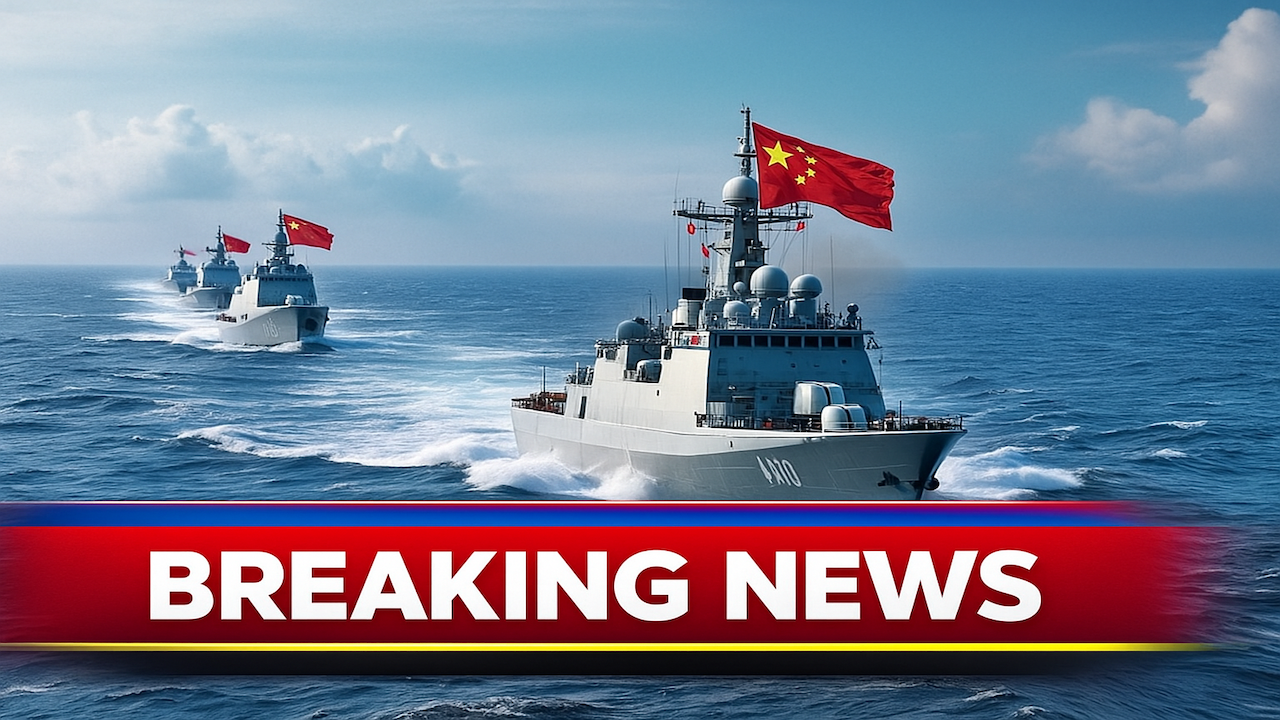
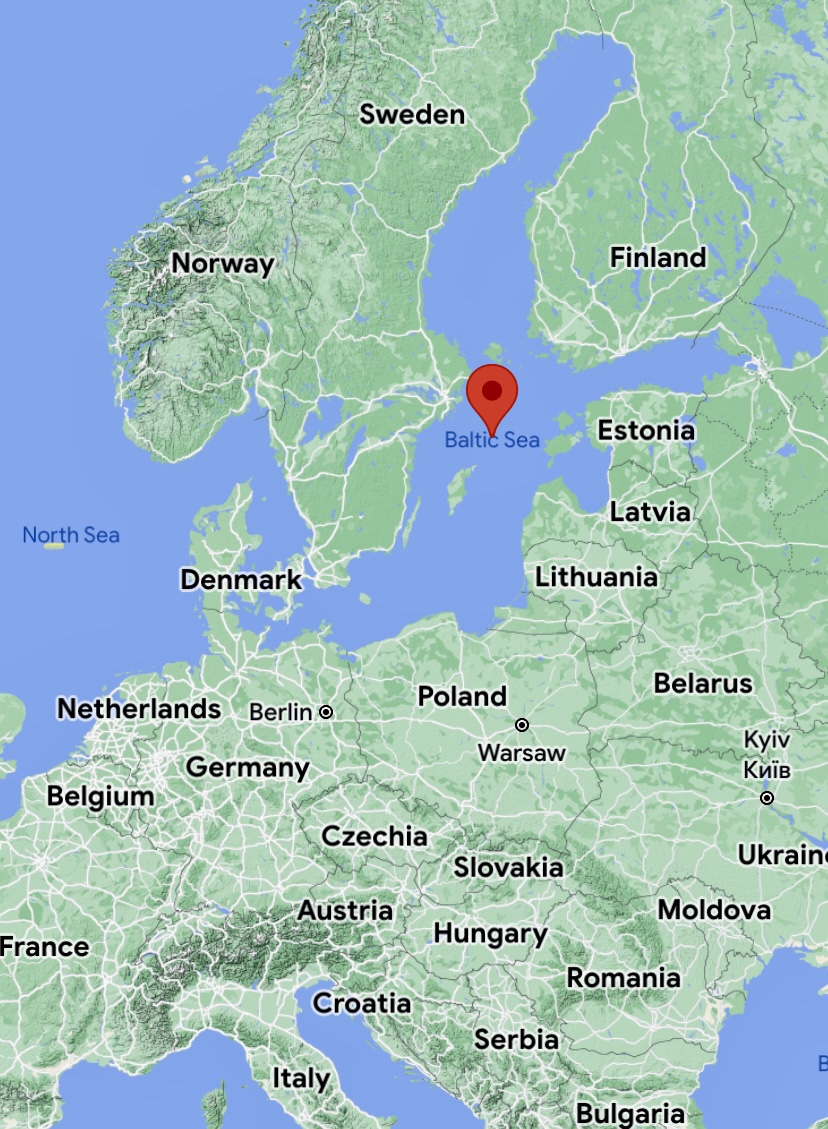
Russia and China have been targeting vital underwater cables, which could potentially send the world back to the Dark Ages. A new book, "Undersea War: The Battle to Control the Cables and Pipelines That Connect Our World," reveals the extent of these attacks. In one instance, a Chinese-flagged cargo ship, the Yi Peng 3, was suspected of sabotaging two undersea communications cables connecting Sweden and Lithuania, and Finland and Germany.
The book's author, Elisabeth Braw, notes that the globe is stitched together with a network of underwater communication cables and energy pipelines, estimated to be around 20,000 miles of subsea pipelines and a million miles of oceanic communications cables. These cables transmit the world's data, including trillions in daily financial transactions, and subsea pipelines provide fuel to entire continents.
Security experts call these "hybrid attacks," which are perpetuated in a gray zone between war and diplomacy. The attacks are getting more common and more violent, with mysterious fires sweeping weapon plants in several European countries and robotic boats loitering near gas platforms.
The existing legal framework that governs these cables is rooted in paperwork signed during the 1884 Paris Convention, which authorizes virtually no enforcement options if the vessel in question is registered to another nation. This lack of enforcement has allowed Russian and Chinese ships to sabotage undersea cables and pipelines with near impunity.
The book presents several examples of these attacks, including the Ukrainian sabotage of the Nord Stream pipeline in 2022 and the Chinese cargo ships that severed communication cables connecting Taiwan's disputed islands of Matsu to the rest of the world.
The author suggests that the best way to harden this infrastructure from attack is redundancy, adding duplicate cables to safeguard subsea communication lines. This is already happening in the Baltic, around Taiwan, and elsewhere.