A Russian researcher at a plague laboratory has died, prompting calls for transparency from the US State Department. The cause of death was attributed to pneumonia of unknown origin by Russian officials, who have not confirmed whether the laboratory worker died of plague.
What happened
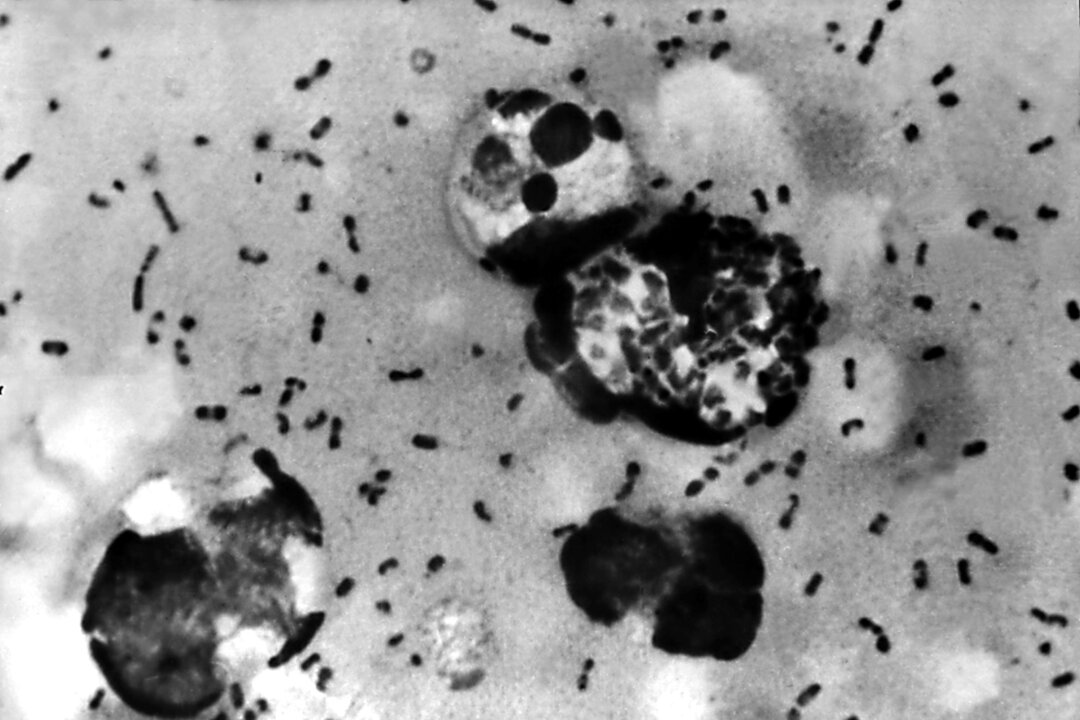
The Russian government reported to the World Health Organization (WHO) that there are no plague cases in the Siberian city of Irkutsk, where the laboratory worker died. The WHO stated that pneumonic plague is a severe disease caused by the bacterium Yersinia pestis when it enters the lungs, and can spread from person to person via bacteria-containing droplets in the air.
Pneumonic plague is the most severe form of the disease and can be fatal if left untreated. However, recovery rates are high if detected and treated in time, according to the WHO. The US Centers for Disease Control and Prevention (CDC) notes that around seven cases of human plague are reported each year in the United States, mainly in the western part of the country.
There are different types of plague, including bubonic, septicemic, and pneumonic plague, all caused by Yersinia pestis. The main difference between them is the part of the body infected by the bacterium. Bubonic plague is the most common and survivable, while septicemic plague can destroy tissue and lead to organ failure. Pneumonic plague can cause severe pneumonia and is less common than the other two forms.