What happened
The Senate voted 73-25 on Monday evening to invoke cloture on the Bipartisan American Affordability and Jobs Act, sending the nearly 500-page bill toward a final vote. The measure needed 60 votes to proceed and cleared that threshold with support from 22 Democrats.
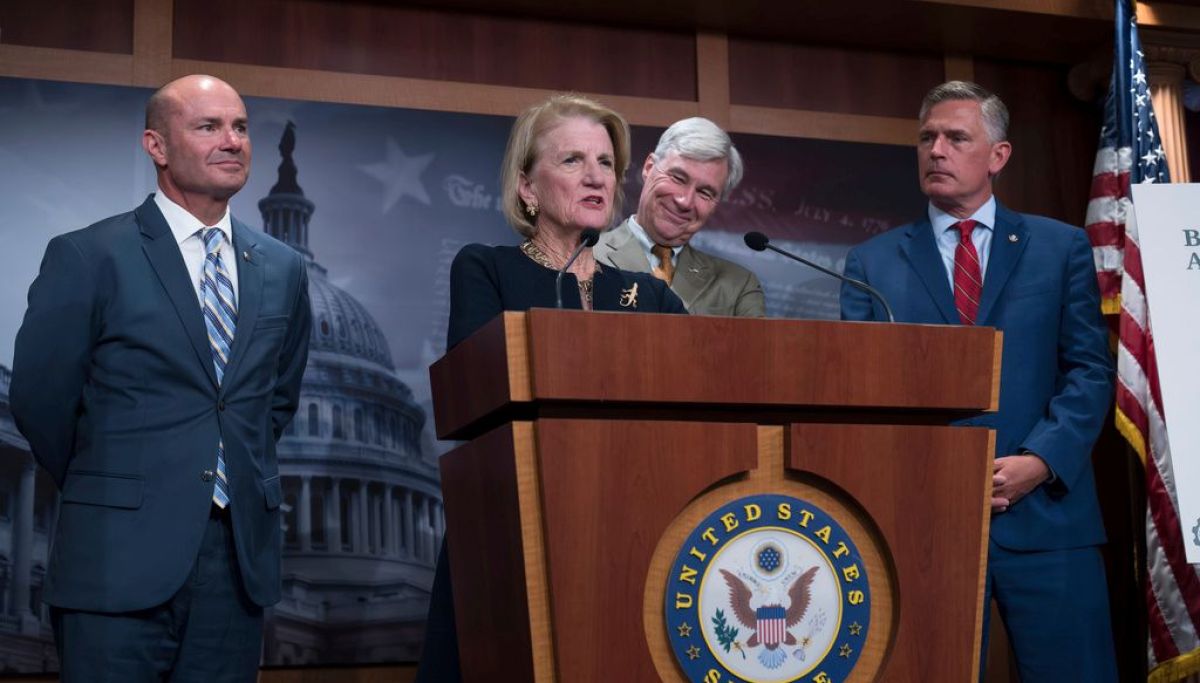
Key negotiators Sens. Shelley Moore Capito, Mike Lee, Sheldon Whitehouse, and Martin Heinrich worked across party lines on the legislation. Only one Republican, Sen. Mike Rounds, voted against the procedural motion.
If enacted, the bill would overhaul how the federal government issues permits for projects including highways, pipelines, and power lines. It would reform the National Environmental Policy Act, the Clean Water Act, the National Historic Preservation Act, and the Endangered Species Act. The legislation would also shorten the window for lawsuits challenging environmental reviews and accelerate transmission infrastructure build-out.
A manager’s amendment released over the weekend made technical edits and addressed concerns from environmental groups, tribal communities, and utilities. Changes include extending objection windows for certain environmental reviews, preserving collective bargaining agreements at power marketing administrations, and creating a data center community assistance program within the Department of Energy. The amendment also removes a provision allowing the Interior secretary to assume tribal historic preservation officer responsibilities in some cases and strikes a controversial definition of property of traditional religious or cultural importance.
Supporters include dozens of clean energy and manufacturing associations, more than 300 solar and storage companies, oil companies, utility firms, and some climate groups. The Edison Electric Institute endorsed the amended version. Opponents include the Sierra Club, the League of Conservation Voters, The Wilderness Society, and National Tribal and Preservation Associations, which remain largely opposed.
President Donald Trump has endorsed the bill, calling it a win for U.S. energy independence. The legislation faces an uphill battle in the House, where many Democrats prefer to defer permitting discussions to the next Congress.