What happened
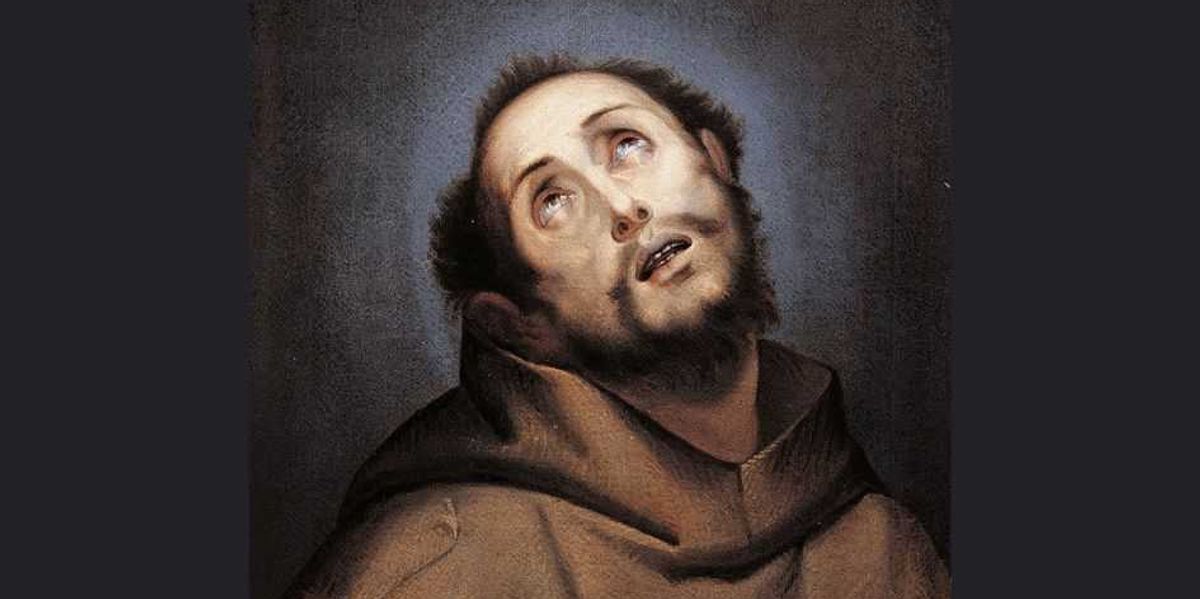
St. Francis of Assisi, one of the most radical Christians in history, is often misunderstood as a generic Christian Zen master. However, his life was marked by a demanding Catholic faith that led him to live among lepers, rebuild churches, and preach to Muslims. Born in 1181 or 1182, Francis was the son of a prosperous cloth merchant and enjoyed a life of luxury before his conversion. He went to war, was captured, and spent months as a prisoner, which led to his illness and eventual conversion.
Francis' faith was intense, and he believed in manual labor, fasting, and caring for the sick. He founded the Order of Friars Minor, which worked, prayed, and preached without the ordinary security provided by possessions. Francis also composed the Canticle of the Creatures, which praises God through nature. His love for creation was not just about admiring the beauty of the world but about seeing the divine in all things.
Francis' encounter with a leper was a turning point in his life, and he began to show mercy to those suffering from the disease. He went to live among lepers, washing them and cleaning their sores. This act of kindness and compassion was a testament to his faith and his willingness to follow Christ's teachings. Francis' legacy extends beyond his love for nature and his encounter with the leper, as he also played a significant role in shaping the Catholic Church.
Today, October 3, marks the 800th anniversary of Francis' death. The Catholic Church is observing this milestone with a special Jubilee Year of St. Francis, which includes pilgrimages to designated Franciscan churches and the offering of a plenary indulgence. Francis' Testament, which he dictated near the end of his life, emphasizes his reverence for priests, the Eucharist, and the importance of following the Rule of the Franciscan Order in a Catholic manner.