What happened
Taiwan announced on November 6 that it will close its representative office in Papua New Guinea, withdraw its personnel, and end assistance programs. The decision follows Papua New Guinea’s order to shut the office in Port Moresby, which had managed unofficial relations between the two sides because they do not maintain formal diplomatic ties.
Taipei said Beijing pressured Papua New Guinea to restrict Taiwan’s international presence. Chinese Foreign Minister Wang Yi publicly praised the closure order in July, calling it an example for other countries dealing with Taiwan’s overseas representation. China’s ambassador to Papua New Guinea also welcomed the move in a newspaper article, arguing it would strengthen ties with Beijing.
Papua New Guinea has denied acting under Chinese pressure. Prime Minister James Marape said the decision reflected his country’s national interests and constitutional processes. In early November, Marape met the chairman of China’s International Development Cooperation Agency and reaffirmed Papua New Guinea’s one-China policy while seeking greater Chinese investment in energy, mining, agriculture, and infrastructure.
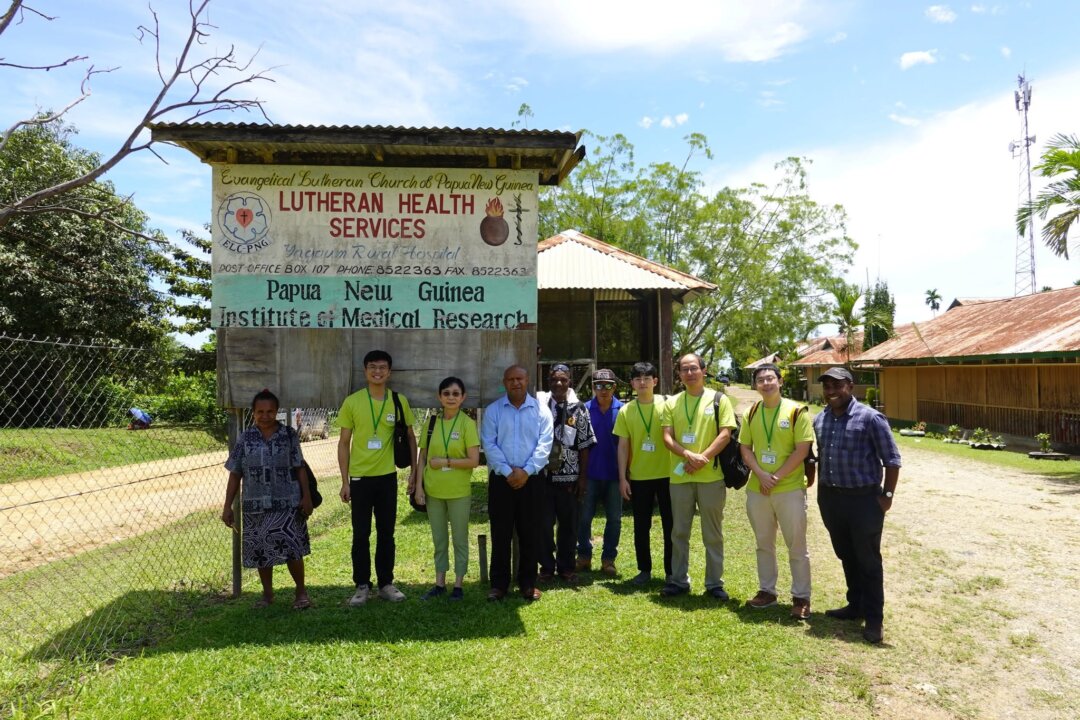
Taiwan initially resisted the closure order but withdrew after Papua New Guinea renewed its demand for Taiwanese staff to leave. The aid programs being ended cover agricultural, medical, scholarship, and technical assistance. Taiwan’s medical cooperation in Papua New Guinea spans more than two decades, including surgical missions and a 2025 agreement to train local medical staff.
Taiwan has also halted new spot purchases of Papua New Guinea’s liquefied natural gas. Taipei said its purchases accounted for roughly one-third of the country’s liquefied natural gas exports and that alternative supplies have been secured. Taiwan did not announce the termination of any existing long-term supply agreement.