What happened
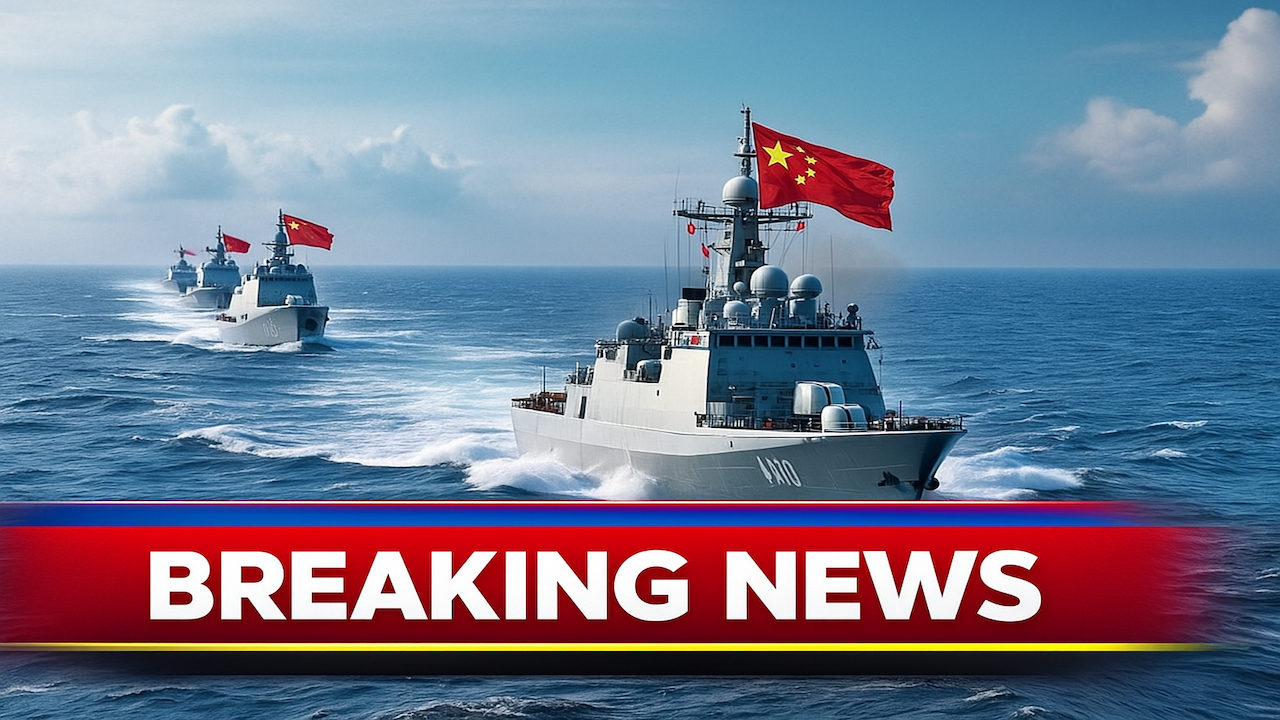
Taiwan is not as volatile a flashpoint for war as many analysts claim, according to recent assessments. Despite the complex and sensitive nature of the issue, Washington and Beijing have managed it effectively, establishing a longstanding diplomatic arrangement that has maintained peace for almost 50 years.
The current modus vivendi, established in the 1970s, allows the three governments involved - the US, China, and Taiwan - to coexist without resolving the Taiwan question. This arrangement has been successful, with China demonstrating patience and pragmatism in its approach to the issue.
China has not attempted to take Taiwan by force, instead opting for a peaceful approach that has yielded benefits over time. The country has a history of waiting for favorable historical circumstances, as seen in its peaceful regain of control over Hong Kong and Macau from colonial powers.
The US has also avoided pushing for Taiwan's formal independence or integration into an American alliance, recognizing that such a move would be unnecessary and potentially detrimental. Economic integration between China and Taiwan has helped preserve the peace, with significant investments and trade between the two nations.
While China regularly refers to a redline on Taiwanese independence, the definition is tolerant, and Beijing has learned to live with Taiwan as a robust democracy. The Taiwan Relations Act, enacted in 1979, provides a framework for the US to maintain a flexible approach to the issue, resisting any attempts to determine Taiwan's future by non-peaceful means.
A key factor in the stability of the region is the Taiwan Semiconductor Manufacturing Company (TSMC), which produces a significant portion of the world's cutting-edge semiconductors. While some might argue that China's desire to control TSMC could lead to invasion, the complexity of the semiconductor ecosystem and the potential for destruction or damage to the facilities make such a scenario unlikely.