What happened
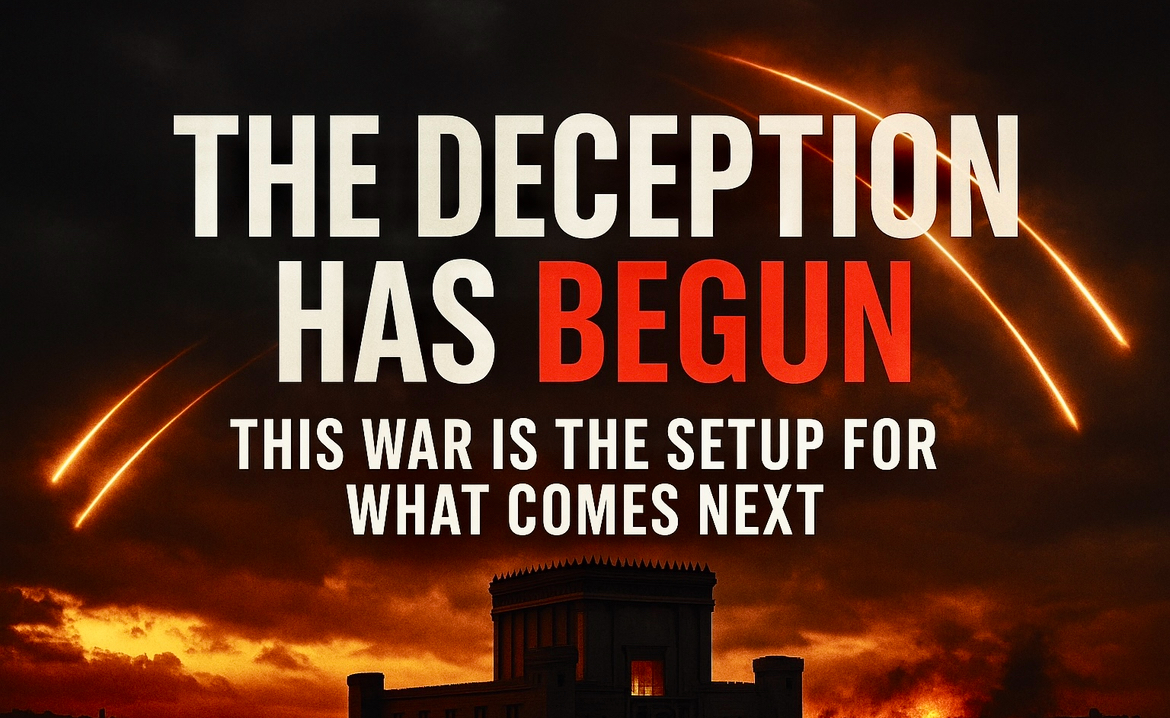
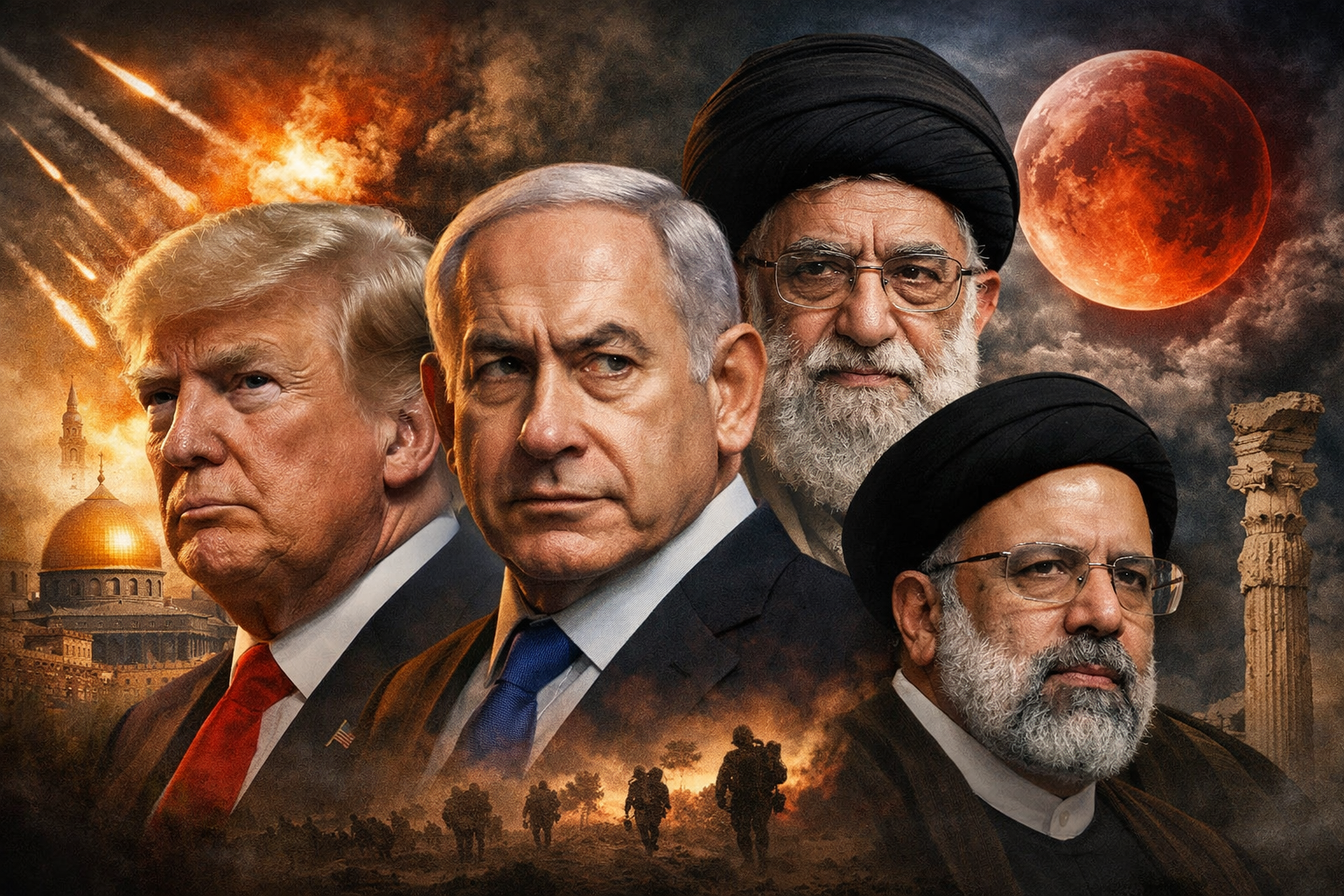
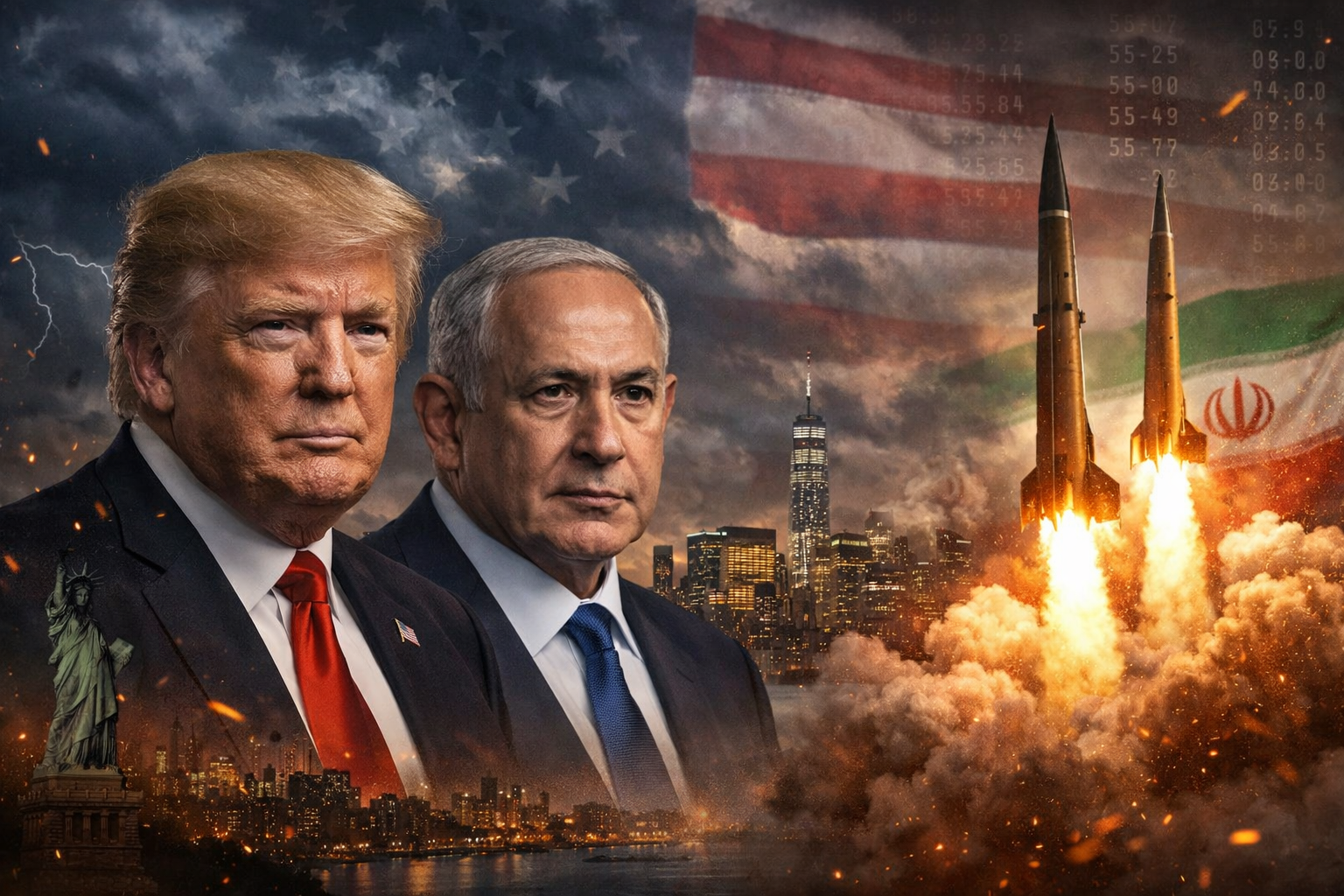
President Donald Trump stated that a U.S. escalation against Iran is unlikely and that the war is effectively over militarily. Despite these remarks, his administration is maintaining a naval blockade on Iranian ports and continuing a broad economic pressure campaign.
Experts warn that these measures increase the likelihood of renewed hostilities. Brett Erickson of Obsidian Risk Advisors said the Iranian leadership is unlikely to surrender while facing economic devastation and noted that Iran retains the military capability to escalate the regional war.
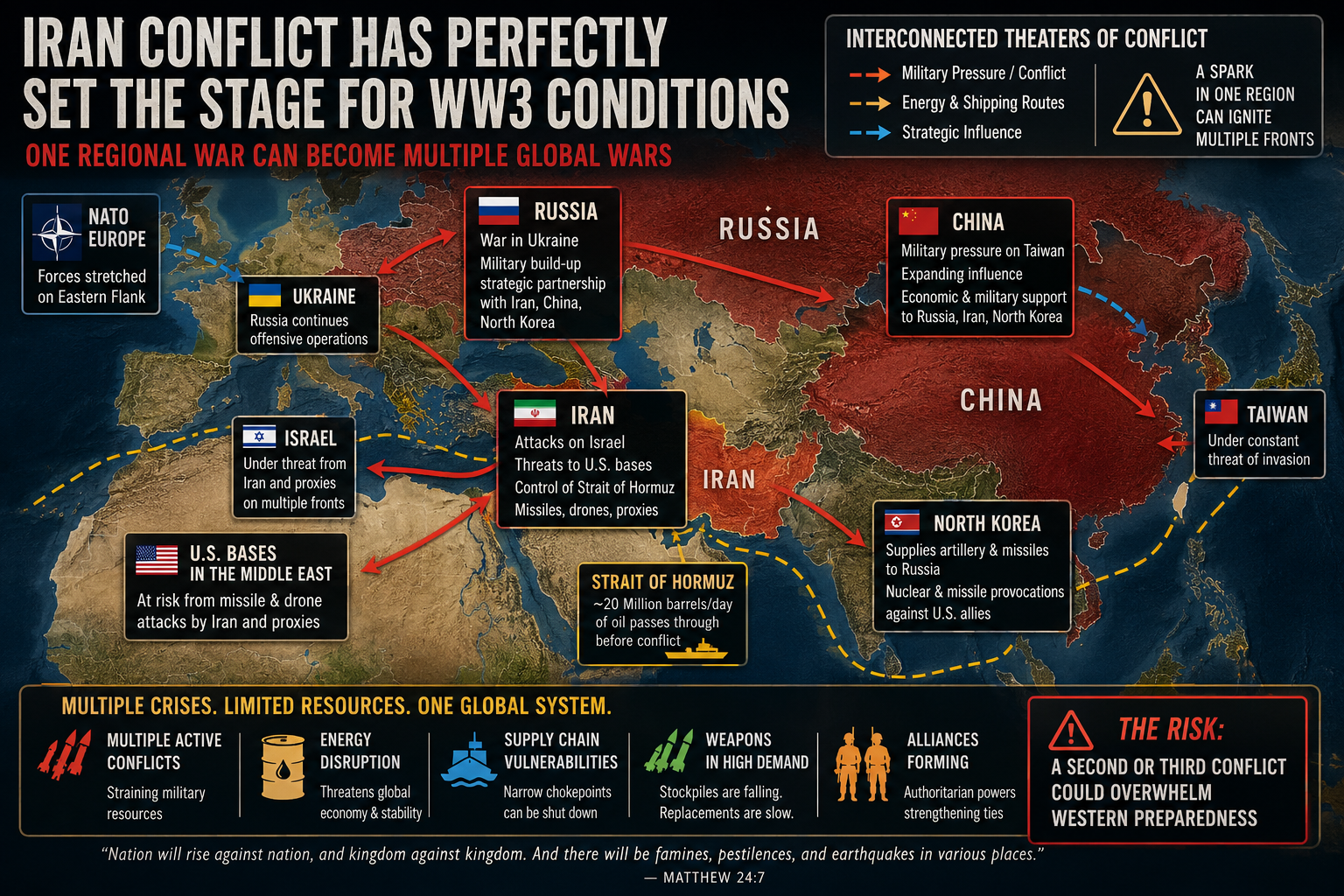
Rosemary Kelanic of Defense Priorities described the conflict as existential for Iran and said capitulation is not a serious option given the administration's demands. Sina Toossi of the Center for International Policy added that economic pressure often harms ordinary people without producing the political outcome Washington expects, and Tehran may seek to impose its own costs, including through leverage over the Strait of Hormuz.
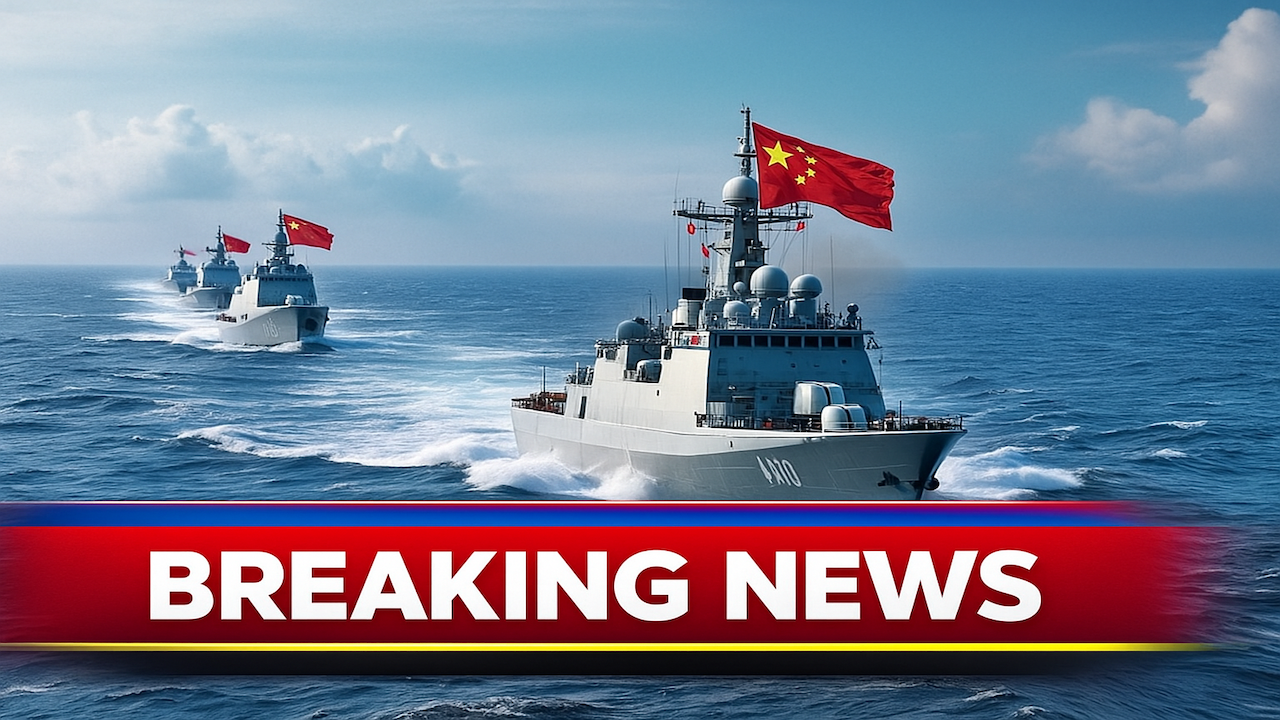
October was reportedly the worst month of the war for Iranian strikes on vessels transiting the Strait of Hormuz. The administration has since stood up Task Force Iron Gate, an operation expanding the blockade on weapons shipments to Iran by targeting land routes and shipping in the Caspian Sea. The task force is led by Admiral Brad Cooper, head of Central Command.
The U.S. is also moving the aircraft carrier USS Theodore Roosevelt to the Middle East, which would result in a rare three-carrier presence in the region in mid- to late-November.