What happened
A wave of intense storms, exacerbated by the El Niño weather pattern, has killed dozens and caused widespread damage across East Asia. The region is bracing for further impacts as El Niño is forecast to last until February or March.
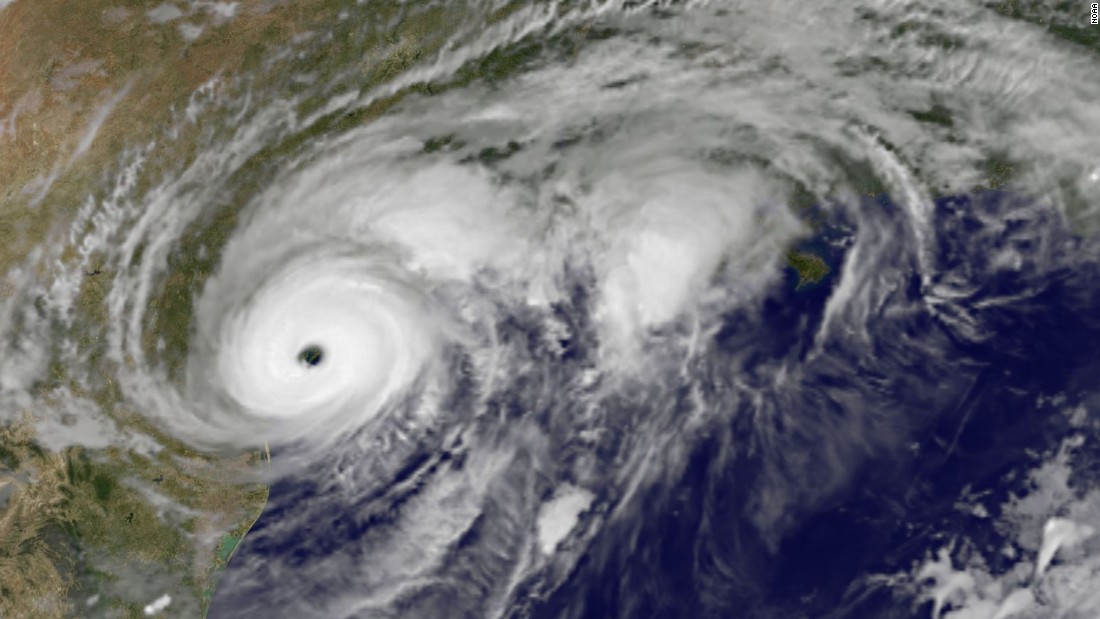
Typhoons have brought unusually wild weather to countries where storms are a way of life, including the Philippines, Taiwan, China, and Japan. In October, Typhoon Champi, equivalent to a category five hurricane, had winds of 295km/h and the power to flatten homes and whip up destructive waves.
Other notable storms include Typhoon Mekkhala and Severe Tropical Storm Higos, which forced one million people to evacuate in Japan, and Super Typhoon Dolphin, which triggered heavy floods and dozens of casualties in eastern China. The Pacific Ocean is brimming with typhoon energy, with the Accumulated Cyclone Energy metric forecast to be nearly double the 30-year average.
The El Niño weather pattern is a naturally occurring climate phenomenon that drives extreme weather events around the world. This year's El Niño is likely to be the strongest in living memory, with sea surface temperatures in the equatorial Pacific soaring to 4C above normal, the highest since records began in 1949.
Countries are preparing for the immediate impact, with Japan urging citizens to stockpile food and essentials, and China identifying vulnerable areas and upgrading its warning and monitoring systems. The Philippines and its South East Asian neighbors are preparing for disruptions to food production and have increased support for farmers.