What happened
The Suez Crisis of 1956 was a military attack launched by Britain, Israel, and France against Egypt, which ended in a political failure. The attack was widely condemned, and a ceasefire was declared, leading to the withdrawal of foreign forces. The crisis marked the end of British imperialism and had significant consequences for the UK's relationship with the US.
After the crisis, UK Prime Minister Anthony Eden resigned, and Harold Macmillan took over. Macmillan, who had previously served as chancellor of the exchequer, worked to repair the UK's relationship with the US and adopted a more moderate approach to politics. Under Macmillan's leadership, the Conservative party was able to recover from the Suez debacle and win the next election.
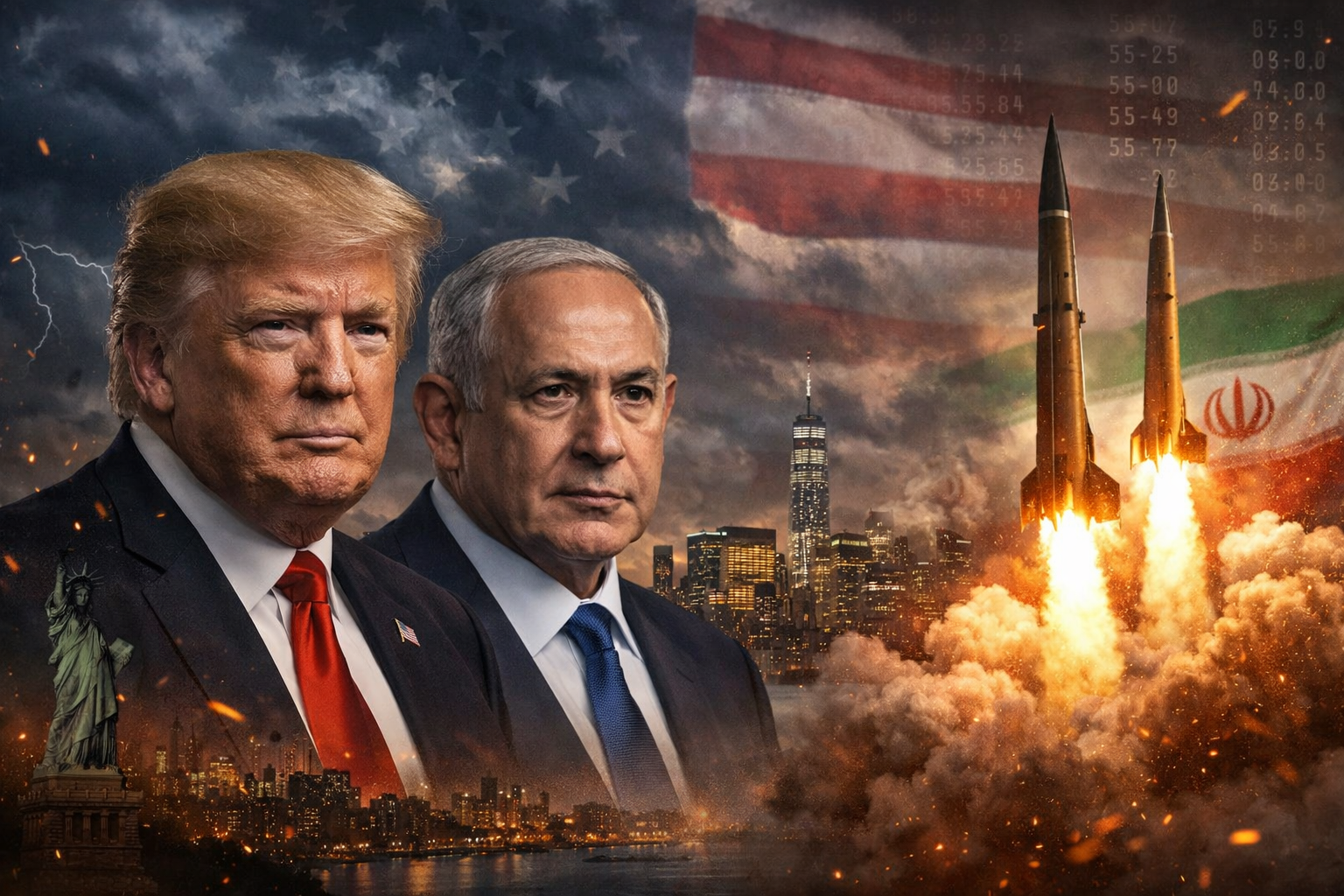
The Suez Crisis has been compared to the current conflict between the US and Iran, with some drawing parallels between the two events. However, while the political backlash against the Iran war has been significant, the number of casualties has been relatively low. In contrast, the Suez Crisis resulted in the deaths of 16 British soldiers, 10 French soldiers, and 177 Israeli soldiers, as well as an estimated 1,000 Egyptian soldiers.
Macmillan's approach to politics, which emphasized moderation and a commitment to social welfare, has been cited as a key factor in the Conservative party's recovery. His leadership style, which was characterized by measured deliberation and a willingness to listen to different perspectives, helped to heal the breach between the UK and the US and restore confidence in the Conservative party.