What happened
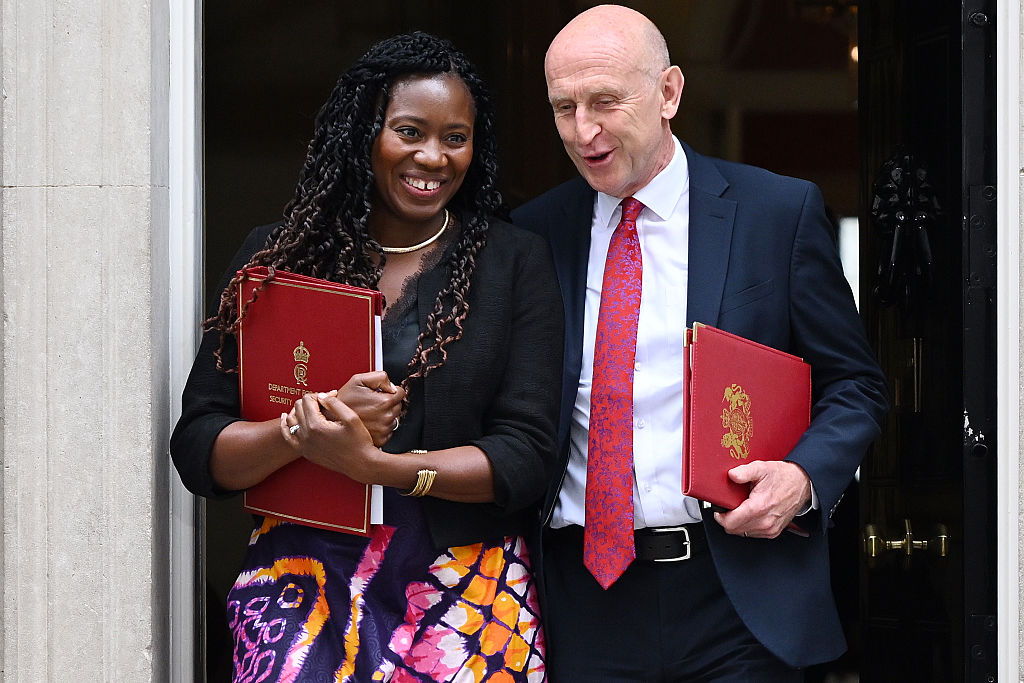
The UK is experiencing high electricity prices, with domestic rates being among the highest in Europe and industrial rates being the highest. Energy Secretary Miatta Fahnbulleh has attributed the high prices to global fossil-fuel markets and the UK's dependence on hydrocarbons. However, an analysis of data from the International Energy Agency suggests that natural-gas usage is not the primary driver of electricity prices.
In 2024, 30 percent of UK electricity was produced using natural gas, but the price of natural gas has surprisingly little effect on UK electricity bills overall. Instead, the cost of electricity produced by wind and biomass, which are paid a contractual set price, contributes significantly to the high prices. The UK's pursuit of net-zero goals has led to an increase in the use of wind and biomass for electricity production, which has resulted in higher costs.
The UK's electricity grid has become more complicated, with a greater reliance on intermittent power sources such as wind and solar. This has led to an increase in grid costs, as well as the need for dispatchable backup, primarily natural-gas turbines. The underutilization of gas turbines and the overinstallation of wind and solar capacity have contributed to the high cost of electricity.