What happened
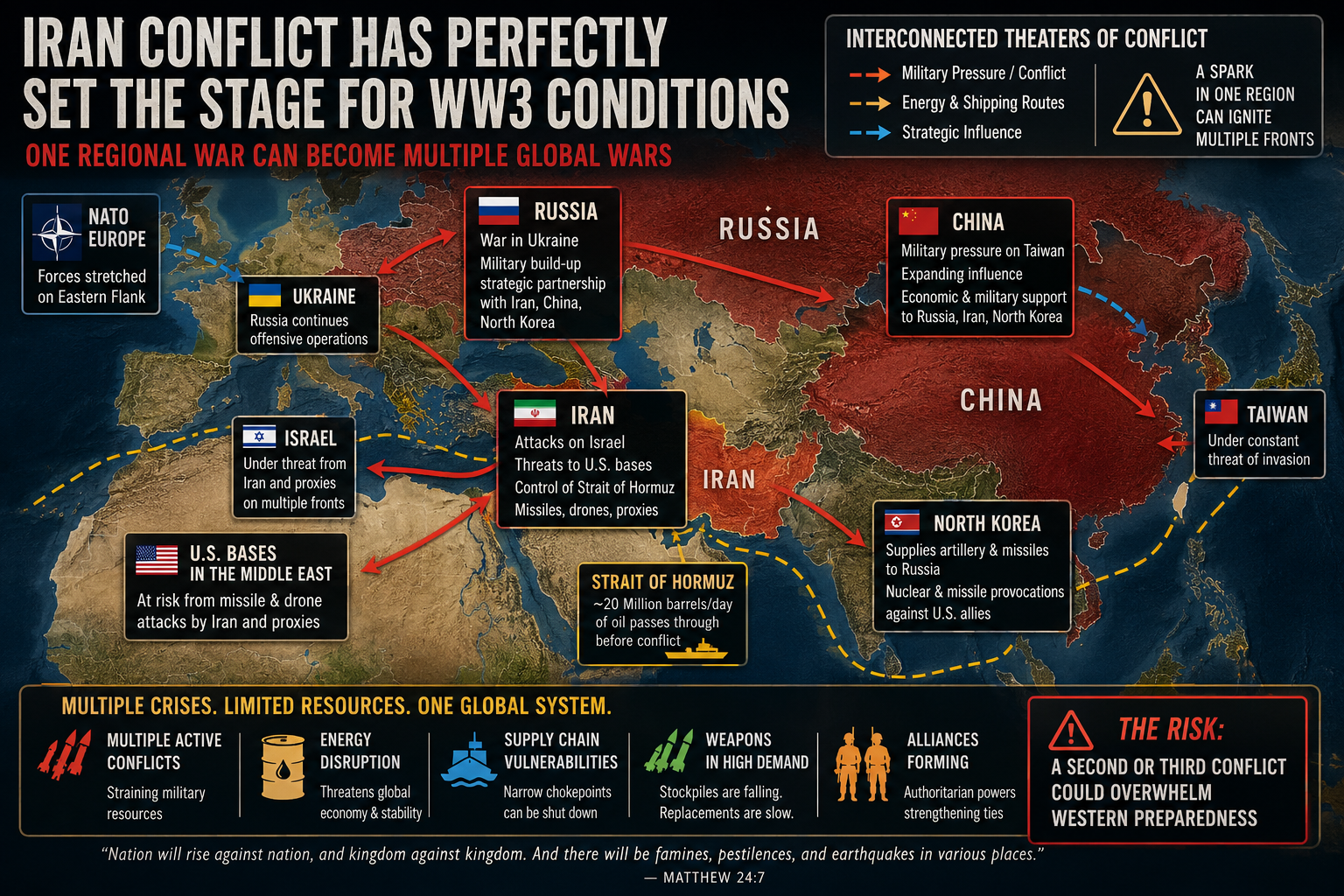
Major UK energy suppliers, including British Gas, EDF and E.ON, forecast that typical household energy bills could jump by more than a quarter in January, adding around £460 a year. The increase follows US and Israeli strikes on Iran in February that effectively closed the Strait of Hormuz, sending oil and gas prices soaring. Winter demand is expected to push prices higher still, with European gas storage at its lowest level since records began in 2011.
The UK government recently approved the Jackdaw gas field in the North Sea while blocking a proposed £1.5 billion Chinese wind turbine factory at Whiteness Head near Inverness on national security grounds. A decision on the larger Rosebank oil field west of Shetland is expected within weeks and has reportedly divided the cabinet.
Energy Secretary Miatta Fahnbulleh said producing more British oil and gas would not lower bills because the fuels are sold on global markets. She described affordability as her overriding objective but also called homegrown clean energy the solution to exposure to unstable global markets.
China dominates global production of solar panels, batteries and electric vehicles, and its exports of clean technology reached a record in March, up 70 per cent from a year earlier, according to think tank Ember. Fahnbulleh acknowledged that Britain is swapping dependence on petrostates for some dependence on Beijing, though she wants more clean energy equipment manufactured domestically.
The Climate Change Committee calculates that a future price shock like 2022 would raise household bills by 59 per cent on a high-carbon path, compared with only 4 per cent if Britain focused on renewables. However, new solar and wind projects face higher supply chain costs, interest rates and the need for expensive electricity network upgrades.
World leaders are gathering in Antalya, Turkey, for COP31, the UN climate summit, where energy and climate policy has become a central arena in the contest between the United States and China. The US formally left the Paris climate agreement earlier this year and is not expected to send a delegation, while China is increasingly promoting the global climate agenda as serving its national interest.