What happened
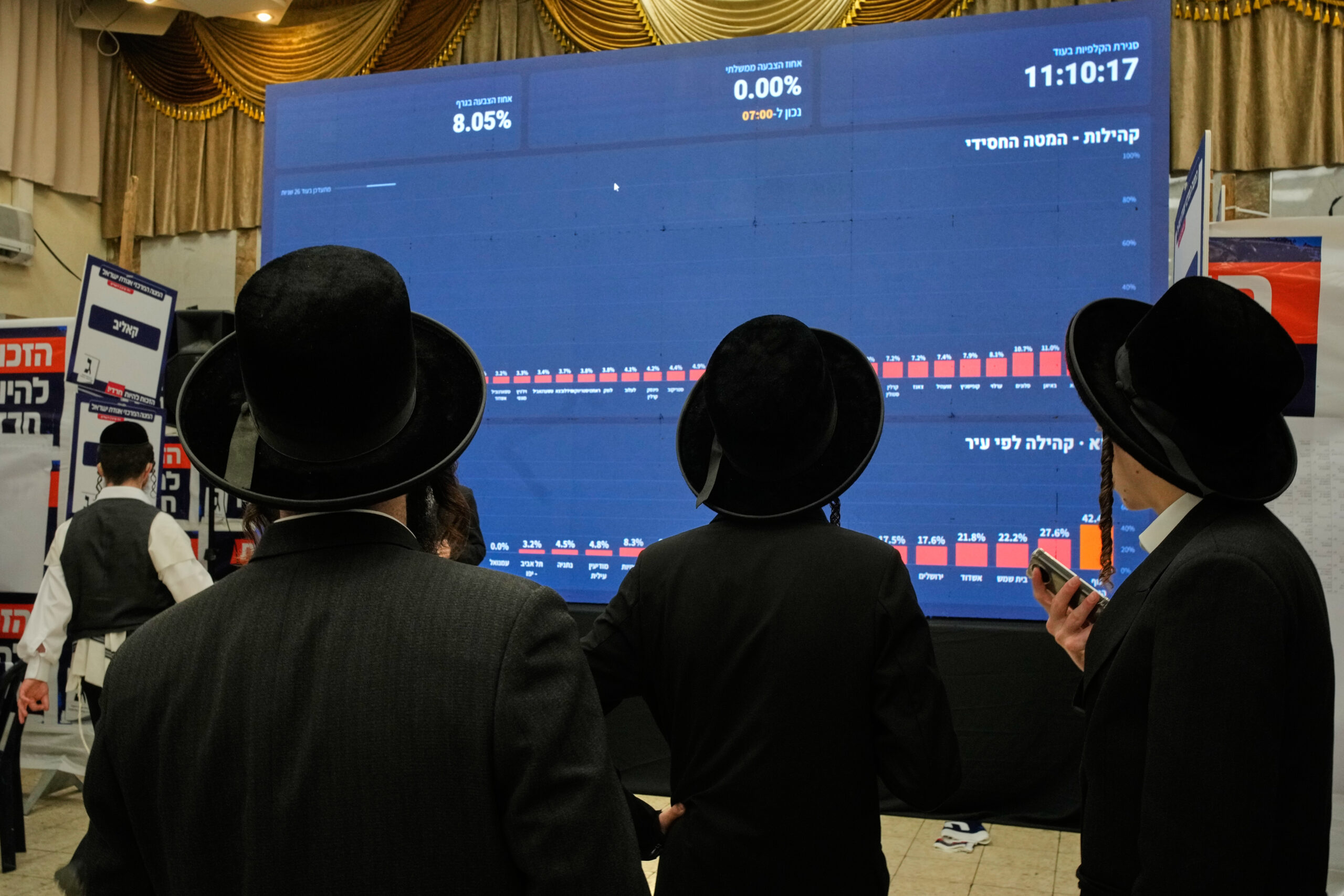
Ultra-Orthodox parties have returned as central players in Israeli coalition negotiations following an election that produced no clear winner, according to commentators Donniel Hartman and Yossi Klein Halevi of the Shalom Hartman Institute. Speaking on their podcast For Heaven’s Sake on November 11, 2026, Hartman said many Israelis had expected a coalition excluding Haredi parties, built around what he described as a covenant of those who serve in the military.
Instead, the election results left no bloc with a workable majority, and the new Knesset was installed on the day of the recording. Hartman said Avigdor Lieberman ruled out a minority government supported by Arab parties, including Ra’am leader Mansour Abbas, because he believed such a government would be short-lived and would effectively hand Benjamin Netanyahu the next election campaign.
Yossi Klein Halevi said he felt deflated upon realizing that a fundamental reset in the state’s relationship with the ultra-Orthodox community was no longer possible. He described the Haredi community as a separatist state within a state that does not fulfill basic citizen obligations while demanding state subsidies. Halevi warned that bringing one or both Haredi parties into government would send the message that the Haredim are indispensable, even to leaders such as Benny Gantz, Naftali Bennett, Avigdor Lieberman, and others.
Hartman acknowledged initial relief at the prospect of removing Netanyahu from power but said he ultimately opposes including the Haredim under current conditions. He argued that the Haredim enter negotiations with complete power and are unlikely to compromise on military service, religion and state issues, or economic policy.
The commentators said the outcome leaves Israel’s leaders facing compromises of necessity rather than an opportunity for change, and they questioned what kind of future can emerge when none of the available political choices feels satisfying.