What happened
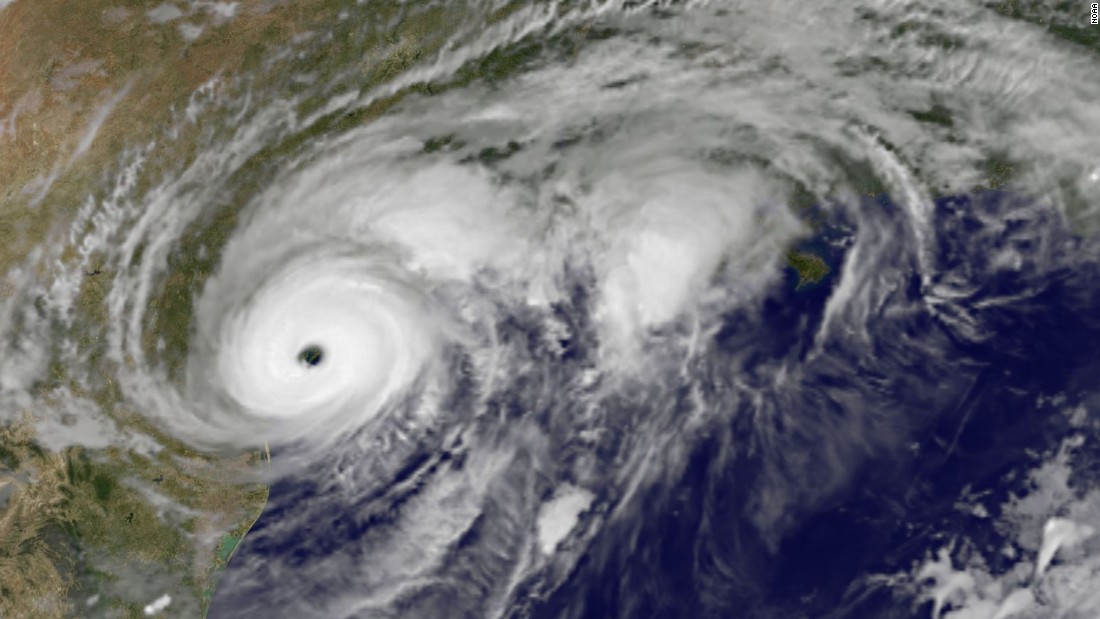
This year's Atlantic hurricane season has been unusually quiet, with no hurricanes forming in September, typically the most active month. This is the first time in over 30 years that no hurricanes have formed in the Atlantic during September. The season, which runs until November 30, has seen only four named tropical storms so far: Edouard, Fay, Gonzalo, and Hanna.
The strong El Niño event is believed to be the main reason for the lack of hurricane activity in the Atlantic. El Niño, a natural warming of the tropical Pacific, disrupts wind patterns and increases wind shear over the Atlantic, making it difficult for thunderstorms to grow into tropical storms or hurricanes.
In contrast, the eastern North Pacific has seen above-average storm activity, with 17 named storms, including nine hurricanes, seven of which were major. The Accumulated Cyclone Energy, a measure of the energy produced by storms, is around two and a half times more active than normal at this point.
Forecasters predict that El Niño will continue to strengthen, reaching its peak in November or December, which may further reduce the likelihood of hurricane formation in the Atlantic. If no hurricanes form this season, it would be the first time in the satellite era that the Atlantic hurricane season has been hurricane-free.