What happened
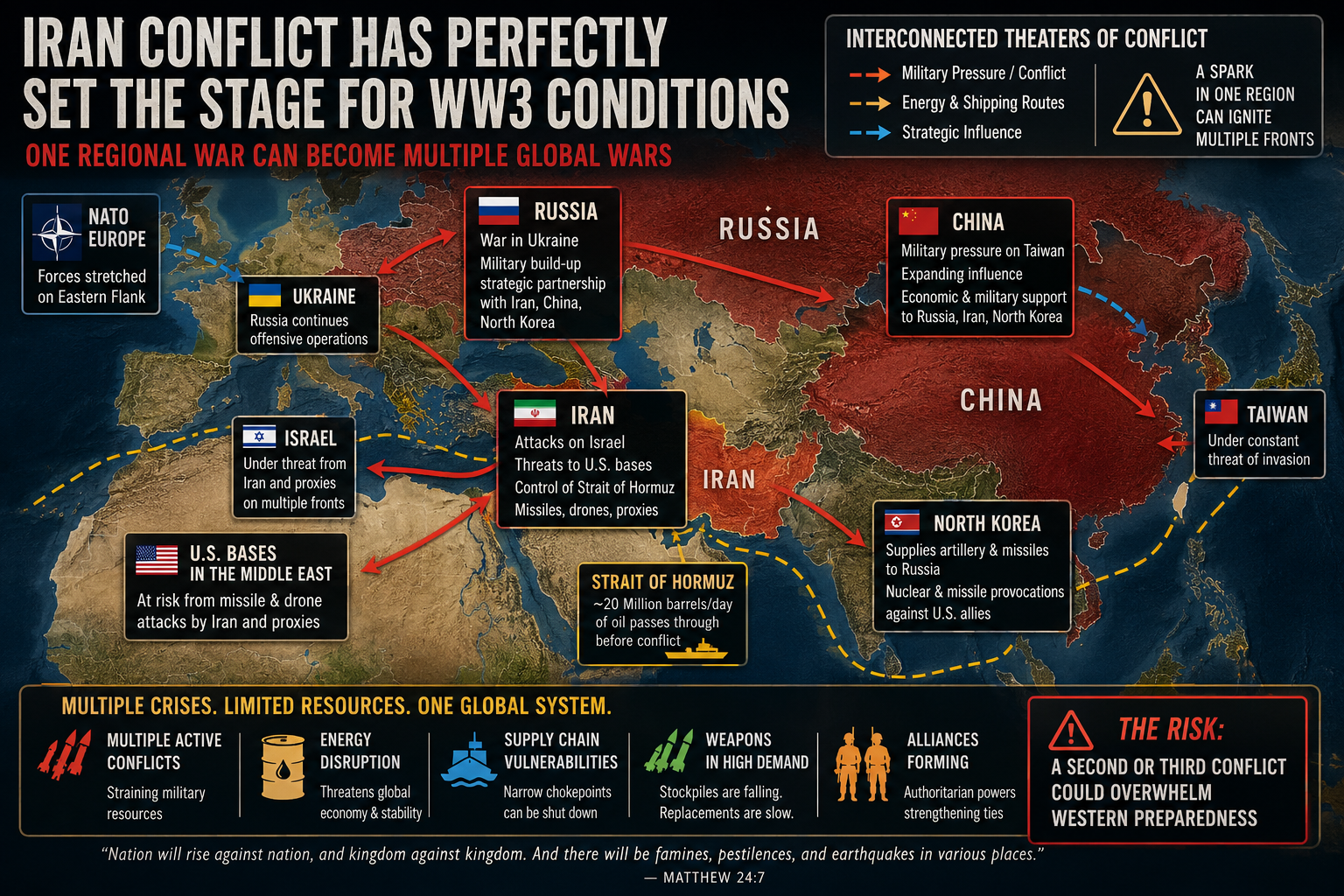
According to US officials, the Army Chief of Staff, Gen. Randy George, warned in December that the US military was critically short on missile defense munitions and that the shortage would last another five years. The warning was made before the outbreak of the US-Iran war, which has further depleted the stockpile of Terminal High Altitude Area Defense (THAAD) batteries and Patriot missiles.
The shortage is attributed to several factors, including the transfer of Patriots to Ukraine after Russia's invasion in 2022 and the expenditure of munitions to defend Israel. The reduced capacity of the defense industrial base has also contributed to the shortage.
The US military has a significant stockpile of some offensive munitions, but missile defense munitions used in THAAD batteries and Patriot missile systems are at low strategic-risk levels. The THAAD system is one of the US military's most advanced missile defense systems, designed to intercept and destroy incoming ballistic missiles.
Experts warn that the shortage of missile defense munitions could have significant implications for the US military's ability to defend against missile attacks. The production of new THAAD interceptors takes around four years and five months, while Patriot PAC-3 interceptor orders have an average delivery time of three and a half years.
The US has requested more than 800 THAADs in the current fiscal year, and defense contractors such as Lockheed Martin and RTX are working to accelerate production. However, even if the US can avoid expending additional THAAD or Patriot munitions, it would take until 2030 to replenish the stockpile to the already-low December 2025 levels.