What happened
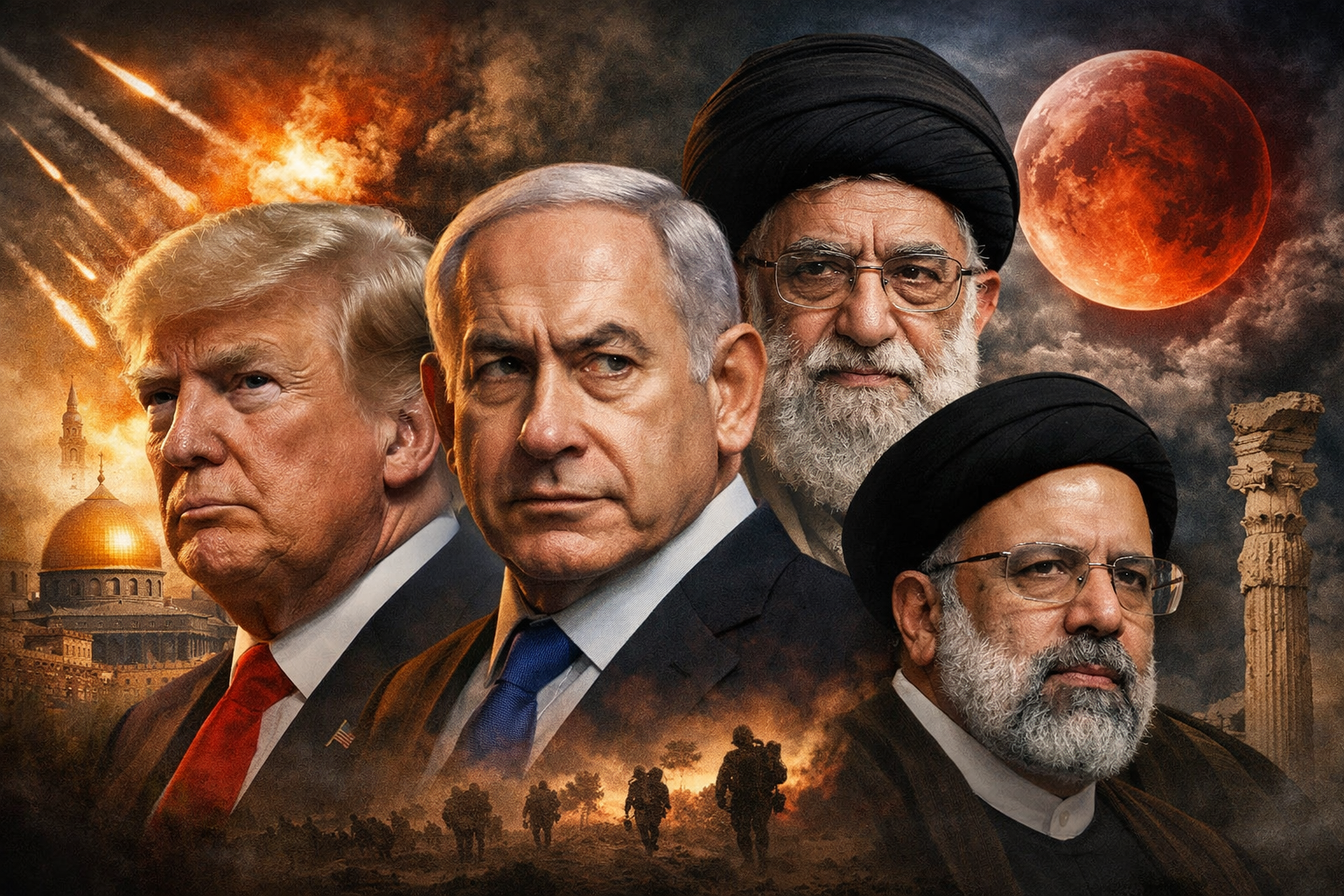
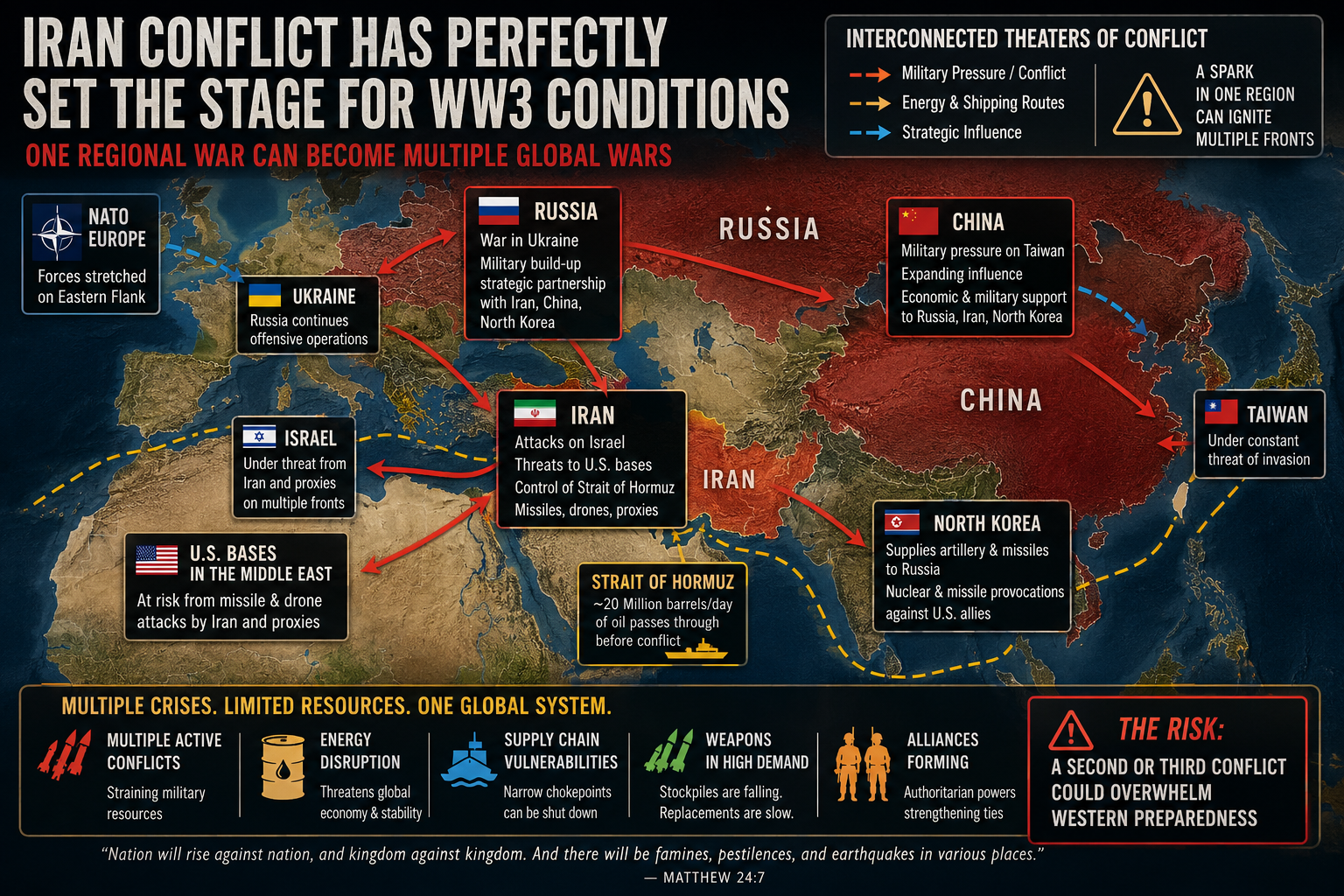
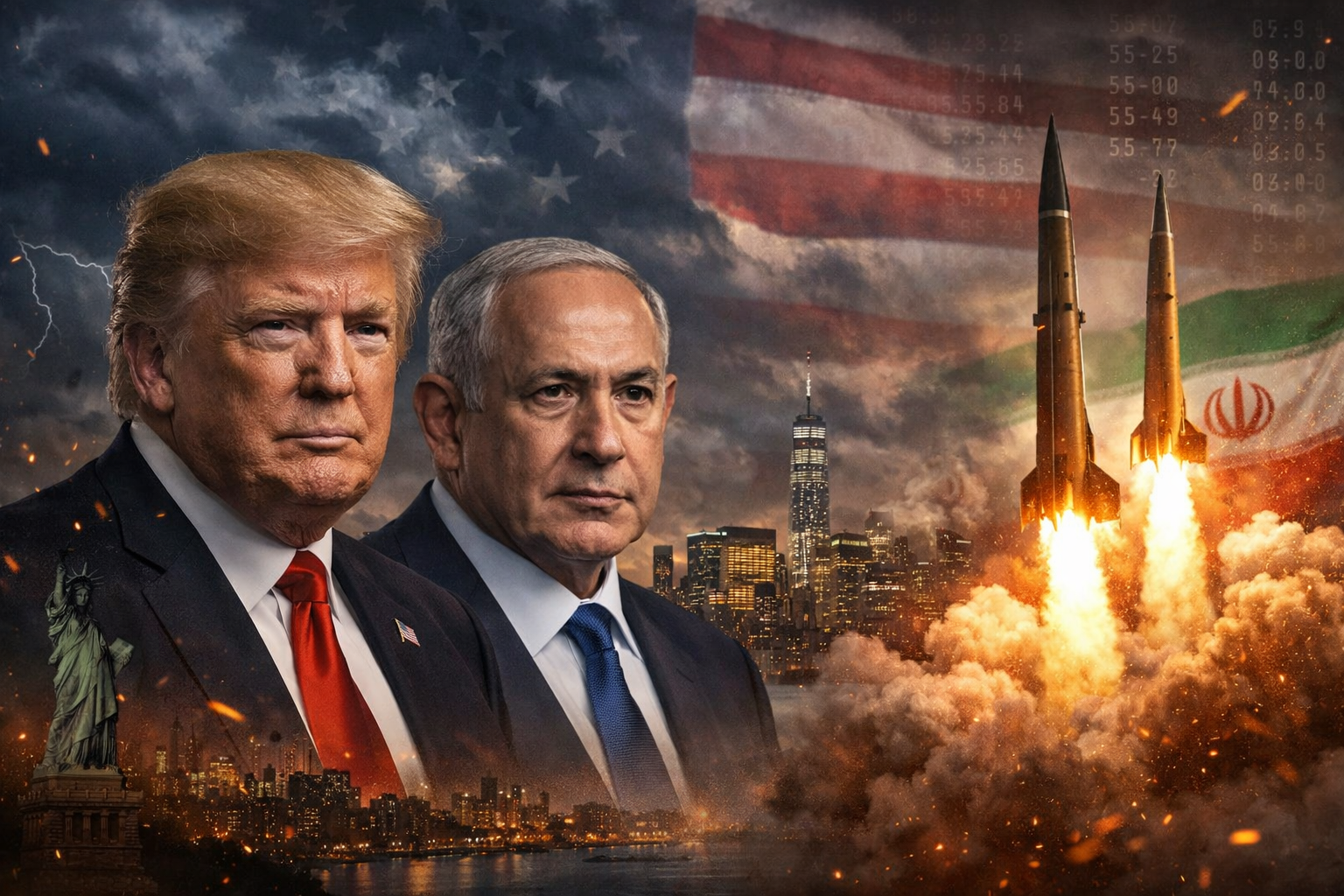
The conflict between the US and Iran has entered its seventh month, with tit-for-tat strikes and escalating tensions in the region. The situation in Yemen has also worsened, with the Houthis gaining control over strategic areas and striking key Saudi oil infrastructure, leading to soaring oil prices. Iran has increased attacks on vessels in the Strait of Hormuz, as the US attempts to reopen the waterway.
The US military's actions in the region have been compared to the overextension of the Roman Empire, with President Trump's promises to end foreign conflicts and prevent World War III giving way to a new forever war in Iran. The war has undermined US military credibility and exposed the limits of American power in the 21st century.
The conflict has also led to a reevaluation of the Carter Doctrine, which has guided US strategy in the region for nearly five decades. The doctrine's underlying rationale has vanished, and the US is now the world's leading producer of crude oil and natural gas. The war has shown that the continued pursuit of global primacy in a post-unipolar era destabilizes the world order and harms US interests.
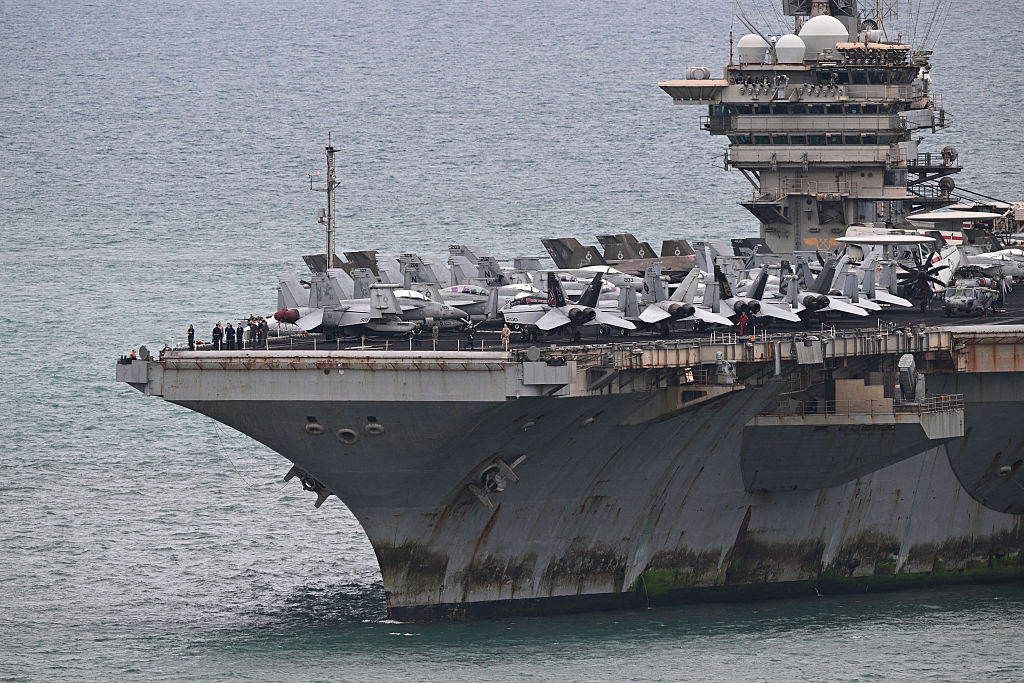
The US military has suffered repeated and debilitating attacks from Iranian forces, leading to critical shortages in sophisticated munitions. The Pentagon is considering reducing the US military footprint in the Persian Gulf after the war. The conflict has consumed massive quantities of US munitions, leading to shortages in stand-off offensive weapons and defensive interceptors.