What happened
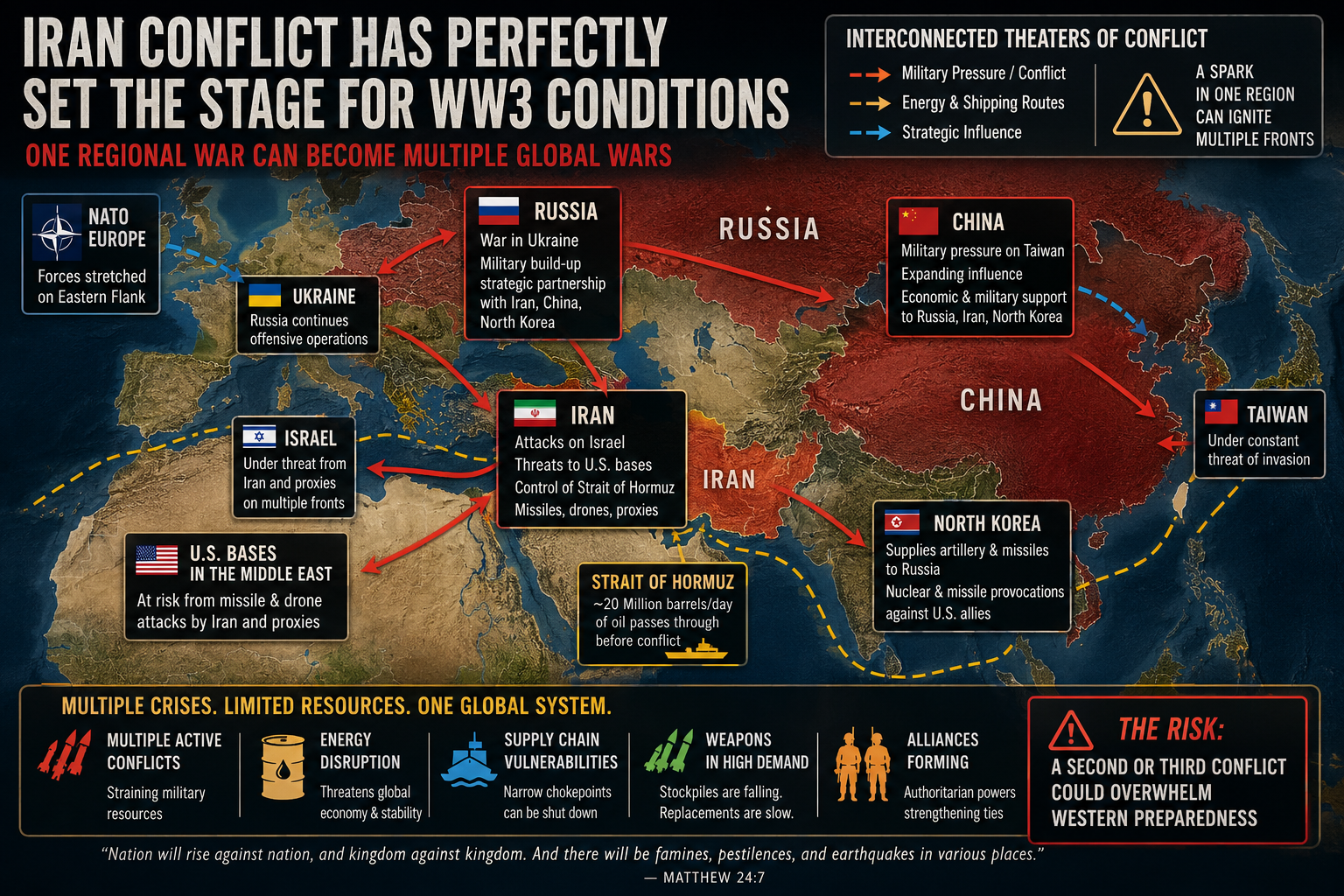
The US Senate voted 49 to 50 against a resolution to end hostilities with Iran unless Congress authorizes them. This vote marks the 14th time the Senate has considered a war powers measure since American and Israeli bombing began on February 28. The conflict has resulted in an estimated $42 billion in costs, at least 19 service members killed, and over 750 wounded.
The Constitution grants Congress the power to declare war and fund the military. The War Powers Resolution of 1973 requires the president to notify Congress within 48 hours of introducing forces into hostilities and sets a 60-day limit on unauthorized action. However, the resolution before the Senate was a concurrent resolution, which carries no legal force and does not require the president's signature.
The pattern of presidents seeking flexibility and Congress seeking limits has led to a control weakness in US governance. The conflict continues without specific authorization, and taxpayers fund the war through emergency channels rather than the deliberate appropriations process.
Three potential reforms have been proposed: making the 60-day limit self-enforcing by cutting off funds, giving war powers measures the standing of real legislation, and requiring the Pentagon to report the cost of sustained conflicts to the appropriations committees each quarter.