What happened
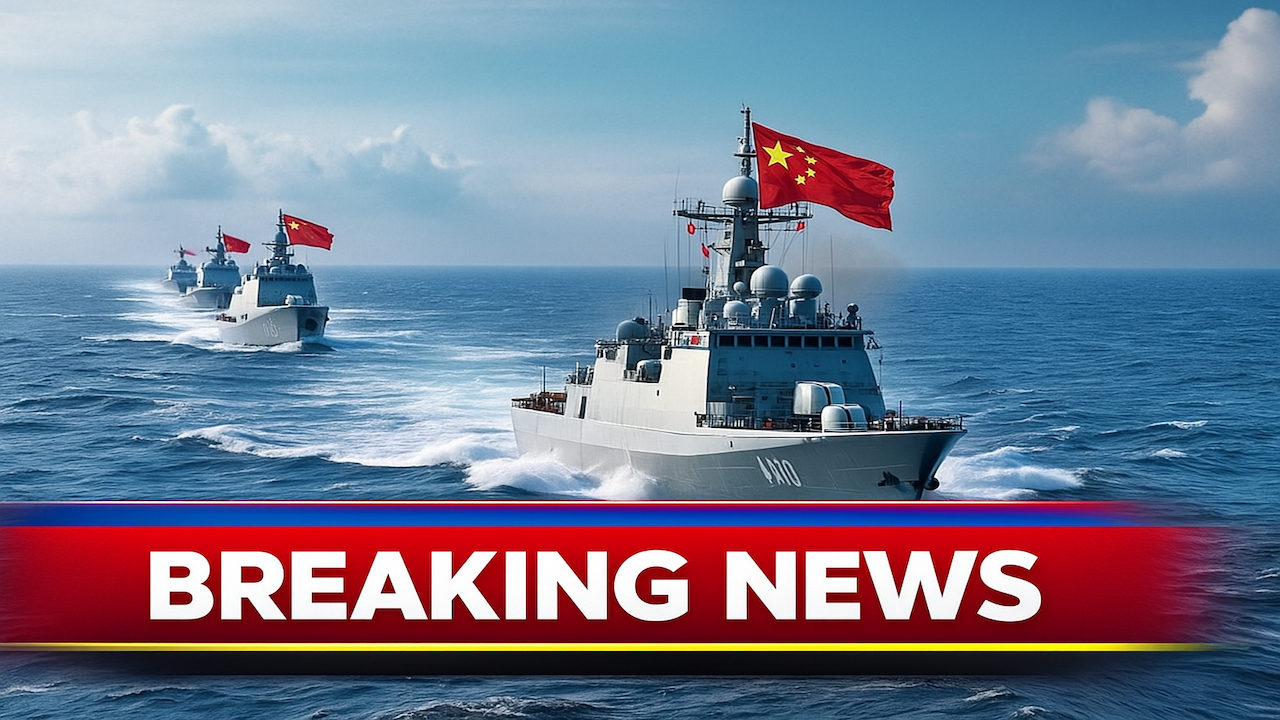
The United States has withdrawn from the World Health Organization (WHO), a move that has sparked concerns about China's growing influence within the organization. The US was the largest donor to the WHO, providing $1.284 billion in 2022-2023, compared to China's $156 million. Despite this financial disparity, the US administration has repeatedly accused the WHO of being too closely aligned with China.
The US withdrawal from the WHO has been met with criticism from European governments and Democrat representatives, who argue that it will give China an unprecedented opportunity to assert greater influence. However, the US administration has argued that its participation in the WHO did not provide sufficient leverage to counter Chinese influence, and that other member nations should take on more responsibility for resisting Beijing's sway.
The WHO's constitution grants each member one vote in the World Health Assembly, regardless of their financial contribution. This means that China's growing financial influence within the organization does not necessarily translate to greater voting power. Nevertheless, a 2026 study suggested that China could become the WHO's largest payer of mandatory member dues after the US withdrawal, and that Beijing could use bilateral health partnerships to build support among developing countries.
The US administration has pointed to several instances of Chinese influence within the WHO, including the organization's handling of the COVID-19 pandemic and its exclusion of Taiwan from the World Health Assembly. The administration has argued that these incidents demonstrate the need for the US to reassert its independence and set its own health policy, rather than relying on the WHO.