What happened
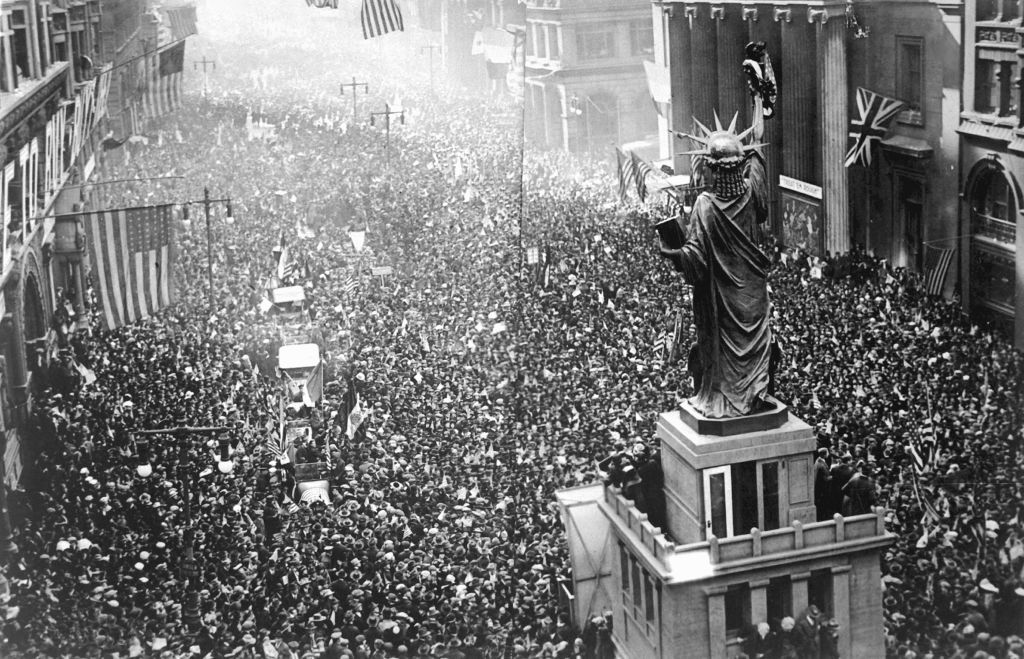
German, British, and French officials signed the World War I armistice documentation a few minutes after 5:00 a.m. on November 11, 1918, in a railway dining car in the Forest of Compiègne, north of Paris. Marshal Ferdinand Foch, commander of Allied forces, insisted the cease-fire take effect six hours later at 11:00 a.m. Paris time, symbolically ending the war on the eleventh hour of the eleventh day of the eleventh month.
Fighting continued during that six-hour delay. Artillery kept firing and infantrymen kept attacking while news of the armistice traveled to the front lines. Historian Joseph Persico estimated that total dead, wounded, and missing on all sides on the final day reached 10,900.
Among those killed was Henry Gunther, a 23-year-old Baltimore bank employee of German descent. He charged a German machine gun position and was killed at 10:59 a.m. Gunther had previously been demoted from sergeant to private after writing a letter home complaining about trench life and urging a friend to avoid service. History.com records General John Pershing officially listing Gunther as the last American soldier to die in World War I. Gunther was later awarded the Distinguished Service Cross and restored to sergeant posthumously.
According to author Joseph Persico, Gunther was one of at least 2,738 troops, including 320 Americans, who died on the Western Front on the war’s final day, most during the hours between the signing and the cease-fire.
Armistice Day did not become a legal holiday until 1938. In 1954, President Dwight Eisenhower signed a law renaming it Veterans Day.